At Jammu hospital, row over burqa ‘restrictions’, and an inquiry
Source Entity
Arun Sharma
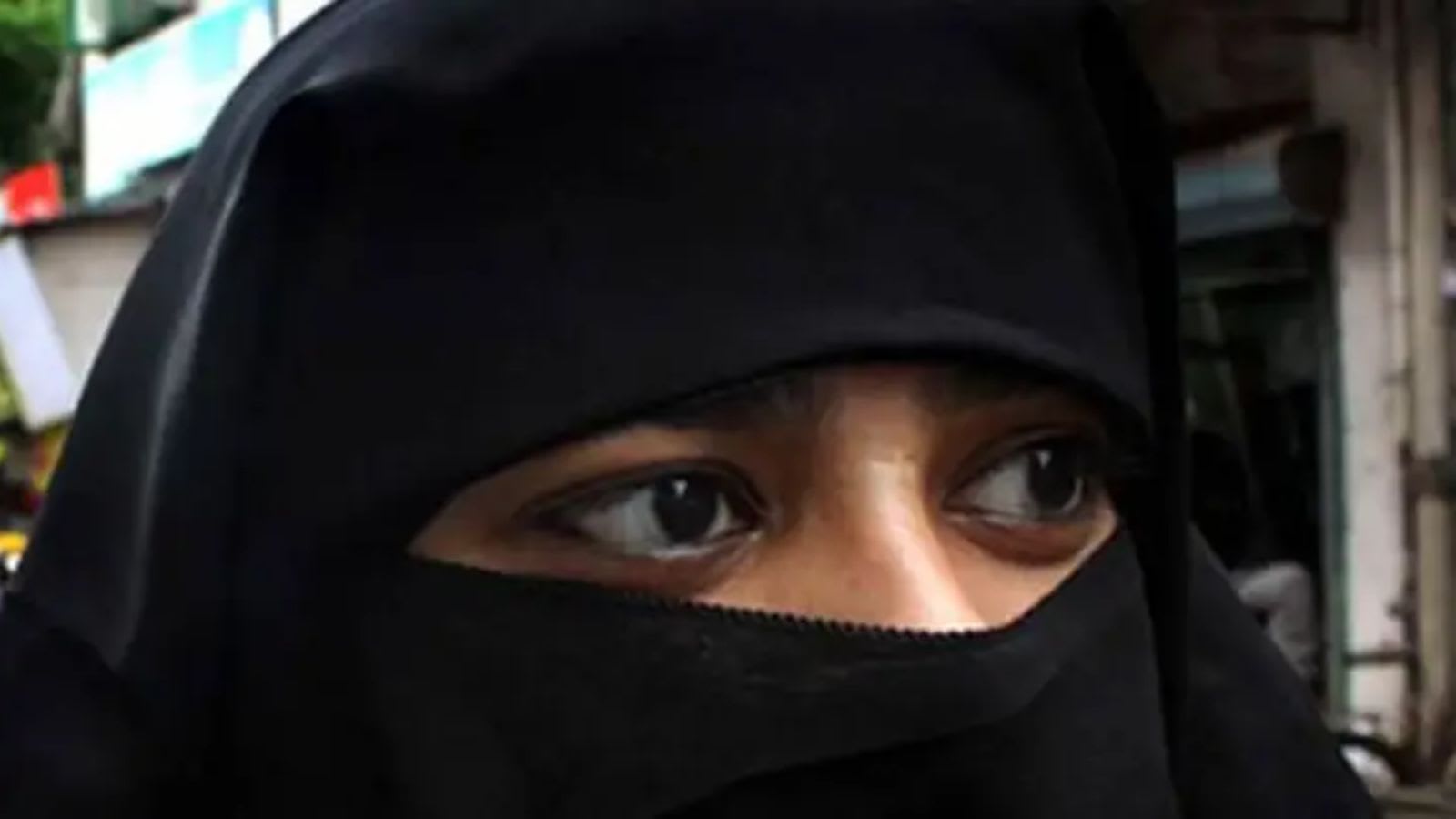
Nursing interns at Government Medical College, Doda, protested against alleged burqa restrictions in the labour room. The hospital administration has launched a seven-member inquiry to investigate the claims against the Gynae Department head.
Tensions Erupt at Doda Medical College Over Dress Code Allegations
Recent reports from the Government Medical College and Hospital in Doda indicate a significant escalation in tensions between nursing interns and the administration. The core of the dispute centers on allegations that students were restricted from wearing burqas while on duty within the Gynae Department’s labour room. This incident has sparked a series of protests, highlighting the sensitive intersection of professional institutional protocols and individual religious expression.
The Protests and Administrative Response
The situation reached a breaking point on Wednesday when a large group of nursing interns organized a demonstration on the hospital premises. The protesters directly confronted the leadership of the Gynae Department, specifically targeting Dr. Madhu Chib, the department head. According to student accounts, Dr. Chib allegedly objected to the presence of students wearing burqas, leading to situations where students were reportedly removed from the labour room. In response to the unrest and the boycott of clinical duties, the hospital administration has officially constituted a seven-member panel to conduct a formal inquiry into the events.
Religious Expression vs. Clinical Standards
At the heart of this controversy lies the complex debate regarding dress codes in sterile medical environments. While hospitals often mandate specific attire for hygiene and safety protocols—particularly in high-risk areas like labour rooms—the students have framed the restriction as an unwarranted interference in their religious practices. The claim that multiple students were made to stand outside the labour room on these grounds has fueled accusations of bias, turning a clinical management issue into a broader socio-religious debate.
Analyzing the Institutional Impact
The protest has caused a disruption in the daily operations of the hospital, as interns chose to boycott their duties to voice their grievances. For a medical institution, the stability of the workforce is paramount, especially in a department as critical as Gynaecology. The decision to form a seven-member committee suggests that the administration recognizes the gravity of the allegations and the potential for long-term friction if the matter is not addressed with transparency and impartiality.
Future Implications and Conflict Resolution
As the seven-member inquiry begins its work, the focus will likely shift toward establishing clear, standardized guidelines that respect both hospital safety protocols and the cultural sensibilities of the staff. The outcome of this investigation will likely serve as a precedent for how similar medical institutions in the region manage the balance between professional uniformity and religious freedom. Moving forward, the administration must ensure that the inquiry process is seen as fair by all parties to prevent further escalation and to restore the collaborative environment necessary for patient care.