RSS-linked magazine: ‘Protests over EC row, IIT suicide new bids of Communist-Islamist cabal’
Source Entity
Deeptiman Tiwary
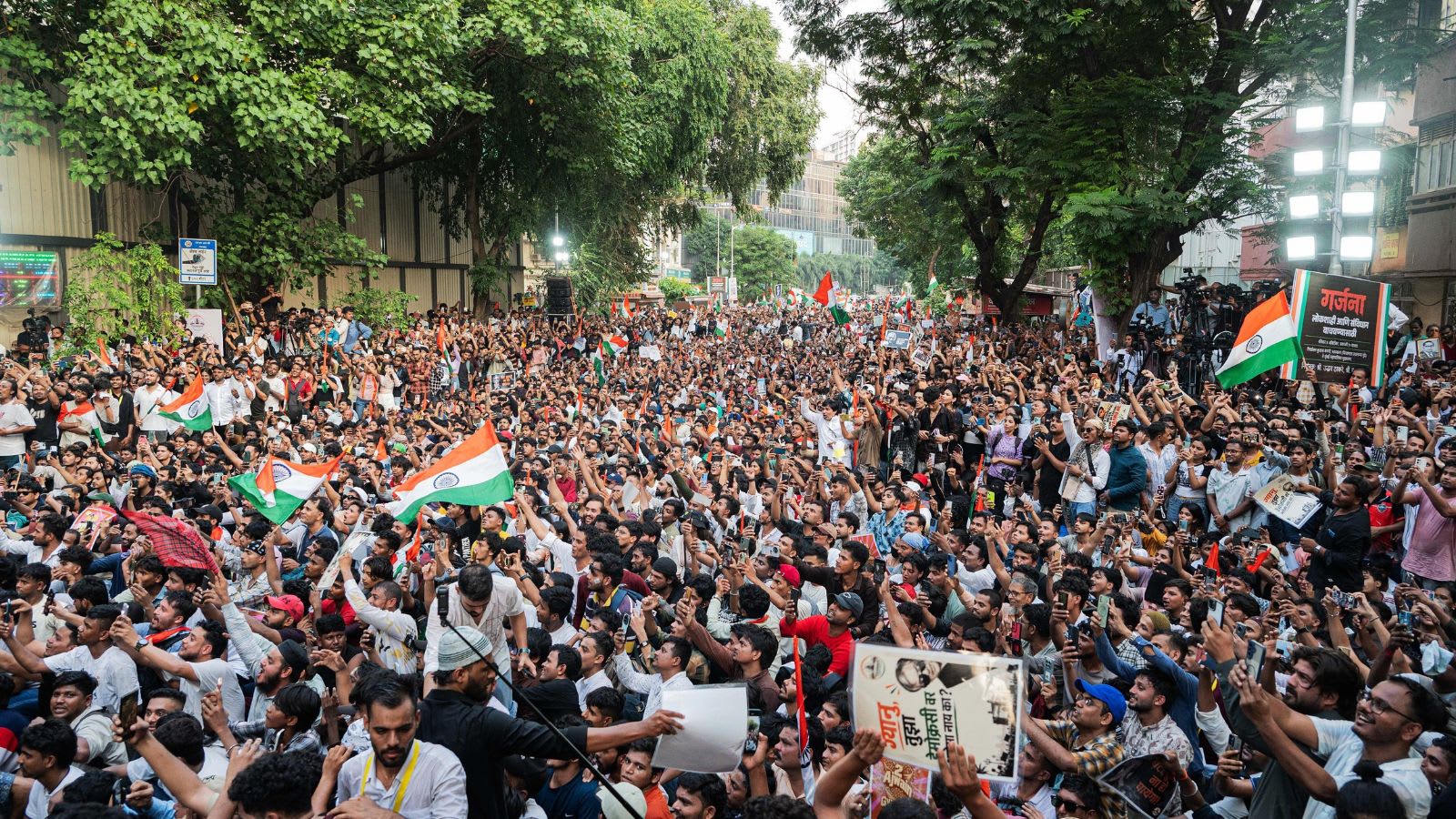
The RSS-affiliated magazine Organiser has accused a 'Communist-Islamist cabal' of orchestrating protests against national institutions. The editorial claims these movements aim to undermine India's reputation and destabilize the government.
The Ideological Clash: Analyzing the Organiser’s Recent Editorial
Defining the Narrative
The recent editorial published by the Organiser, an RSS-affiliated magazine, marks a significant escalation in the ongoing ideological discourse within Indian politics. By characterizing widespread protests—specifically those concerning the suicide of an IIT Bombay student, the Election Commission’s Special Intensive Revision (SIR) of electoral rolls, and Merchant Discount Rate (MDR) policies—as the work of a "Communist-Islamist cabal," the publication is framing grassroots dissent as a coordinated effort to destabilize national institutions.
The 'Brand Bharat' Argument
At the heart of the editorial is the assertion that "undermining brand Bharat" has become a fashionable trend under the guise of democratic agitation. This perspective suggests that the magazine views domestic criticism not as a fundamental aspect of a healthy democracy, but as a strategic attempt to damage India's global standing. By linking disparate issues like institutional accountability and economic policy under a single umbrella of opposition, the Organiser seeks to delegitimize the grievances of protesters by questioning their underlying intent.
Institutional Trust and Political Polarization
The editorial explicitly names the Election Commission and government policy-making as targets of this alleged cabal. By framing the questioning of the EC’s SIR process and the discourse surrounding academic suicides as part of a broader "modus operandi" to alienate citizens from the government, the publication highlights a deep-seated anxiety regarding the erosion of institutional authority. This reflects a broader trend in Indian political rhetoric where institutional criticism is increasingly met with counter-accusations of anti-nationalism.
The Role of 'Communist-Islamist' Framing
The use of the term "Communist-Islamist cabal" serves as a potent rhetorical device intended to consolidate the ideological base of the RSS. By merging these two distinct political and religious identities into a singular adversary, the editorial simplifies complex socio-political conflicts into a binary struggle between nationalist interests and perceived "anti-Bharat forces." This framing is designed to shift the focus away from the specific merits of the protesters' claims—such as student welfare or electoral transparency—and toward the perceived threat posed by the protesters themselves.
Historical Context and Future Implications
Historically, the Organiser has served as a primary outlet for articulating the worldview of the Rashtriya Swayamsevak Sangh (RSS). Its latest stance suggests a defensive posture against what it perceives as an organized attempt to discredit the current administration. Looking forward, this narrative is likely to intensify the polarization of public discourse, as political actors on both sides continue to leverage institutional trust as a primary battlefield. As the government continues to face pressure regarding its policies, the rhetoric of "cabal-led" dissent will likely remain a central pillar of the ruling ideological establishment's response to public agitation.