UP polls: BJP’s ‘internal assessment’ finds anti-incumbency against 100+ MLAs
Source Entity
PANKAJ SHAH
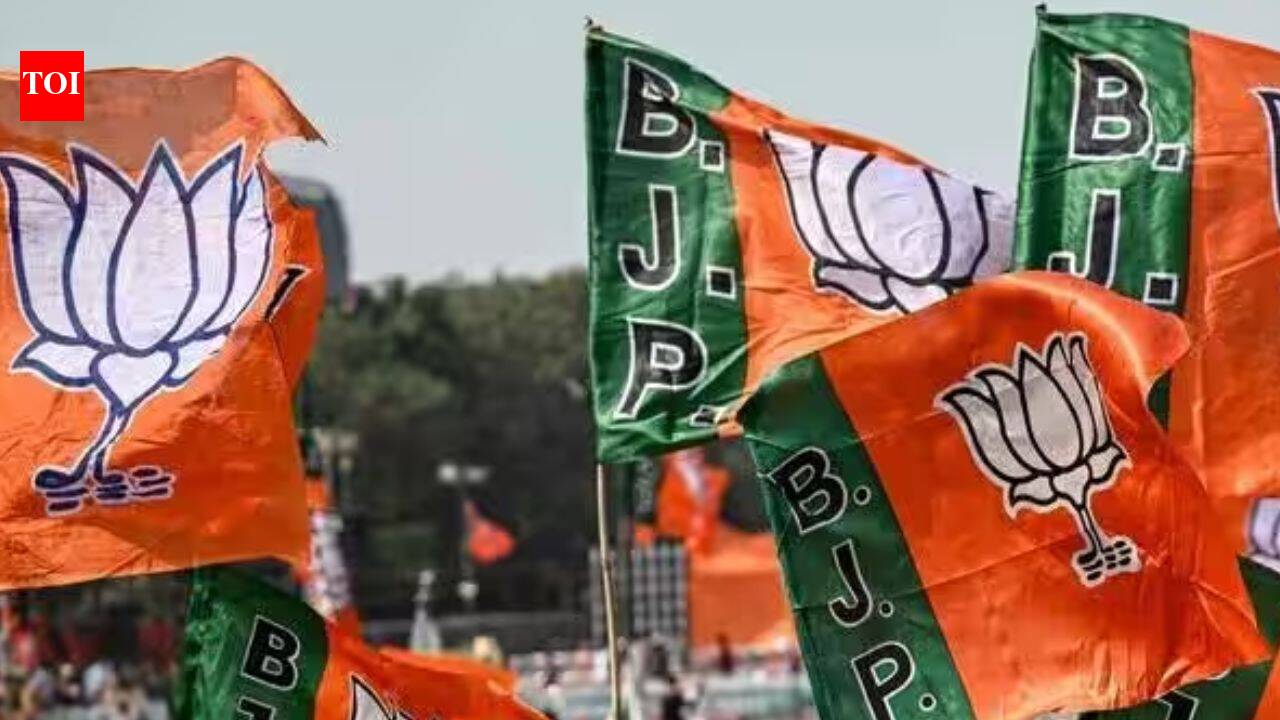
The BJP is conducting an internal assessment of over 100 MLAs in Uttar Pradesh to address rising anti-incumbency sentiment. The party plans to revitalize its electoral strategy by potentially replacing underperforming incumbents with younger candidates.
Strategic Realignment: BJP’s Internal Review in Uttar Pradesh
Addressing Anti-Incumbency
The Bharatiya Janata Party (BJP) has initiated a critical internal assessment process in Uttar Pradesh, targeting over 100 incumbent MLAs. This move comes as a direct response to growing reports of anti-incumbency sentiment among the electorate. By proactively evaluating the performance and public perception of these legislators, the party aims to mitigate voter discontent before the upcoming electoral cycle.
The Role of Grassroots Feedback
This assessment is not merely a top-down directive but is deeply informed by feedback from various channels, including the Rashtriya Swayamsevak Sangh (RSS). The RSS often functions as the ideological and organizational backbone for the BJP, providing ground-level intelligence that is frequently more granular than traditional polling data. By integrating this feedback, the party leadership is attempting to bridge the disconnect between the legislative wing and the voters, ensuring that local grievances are addressed systematically.
Historical Context and Electoral Learning
Modern electoral politics in India, particularly in a state as large and complex as Uttar Pradesh, requires constant vigilance. The BJP’s current strategy reflects a broader trend of learning from previous electoral contests where stagnant candidate lists or ignored local dissatisfaction led to unexpected losses. By reviewing these 100+ seats, the party is signaling a departure from complacency, acknowledging that past electoral dominance does not guarantee future success without rigorous self-correction.
The Shift Toward Younger Leadership
Central to this strategy is the objective of rejuvenating the party’s candidate lineup. The intention to introduce younger candidates signifies a long-term vision to build a new cadre of leadership that resonates with a changing demographic. Younger candidates are often viewed as having a fresh mandate and being less burdened by the baggage of previous legislative tenures, which is a common tactic to revitalize party support in constituencies where the incumbent has become synonymous with stagnation.
Broader Implications and Future Trends
This internal audit serves as a preemptive strike against the structural challenges of incumbency. As political competition intensifies, the ability of a party to identify underperforming representatives and replace them with more effective or popular figures becomes a key determinant of electoral longevity. This move suggests that the BJP is prioritizing organizational agility over individual political tenure, a trend that may become more pronounced in future elections across other Indian states.
Conclusion
In summary, the BJP’s decision to scrutinize over 100 MLAs in Uttar Pradesh is a calculated measure to neutralize anti-incumbency and streamline its electoral prospects. By leveraging grassroots feedback and prioritizing the induction of younger talent, the party is positioning itself to adapt to voter expectations, ultimately aiming to maintain its legislative footprint through strategic internal reform.