'Dad dragged me out of bed by my hair to work' - rural abuse victims want more support
Source Entity
BBC News
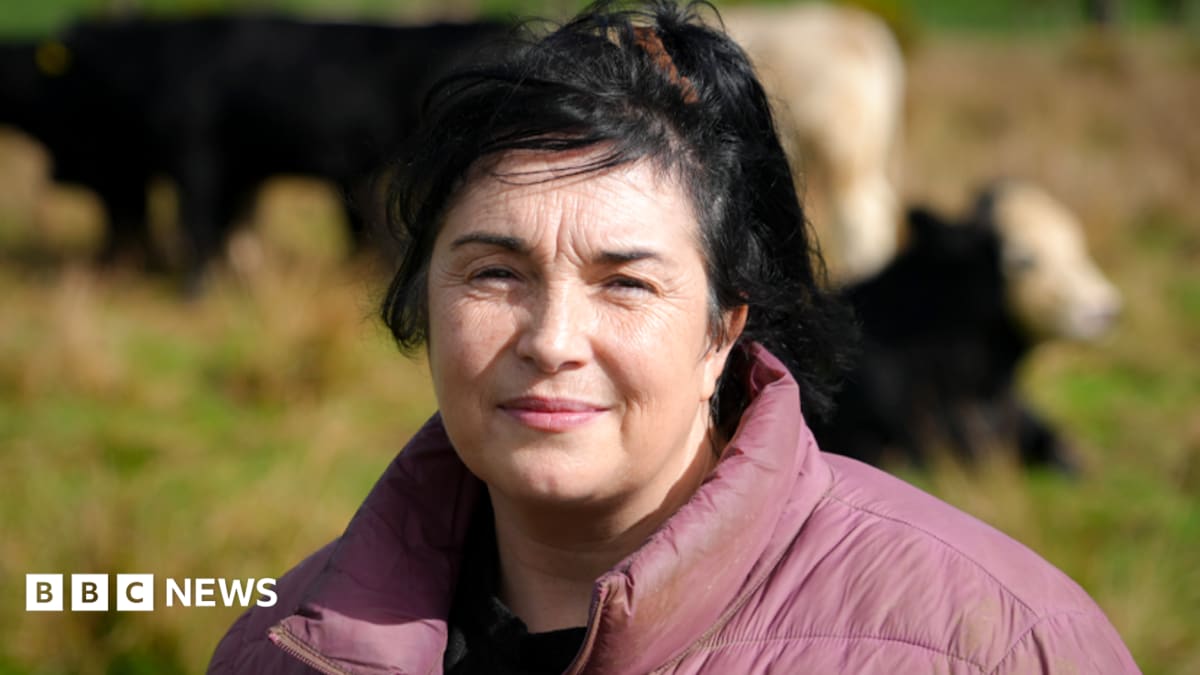
Rural domestic abuse survivors, including Tracy Lewis, are urging governments to increase support services for those living in isolated farming communities. Officials in the UK and Wales have acknowledged these disparities and are pledging to address them in future strategic policies.
The Hidden Crisis of Rural Domestic Abuse
The narrative surrounding rural life is often romanticized as a peaceful existence defined by close-knit communities and a deep connection to nature. However, for survivors like Tracy Lewis, the reality of growing up on a farm was marked by profound fear and systemic isolation. Lewis, who is now 48 and a farmer herself, has courageously brought to light the 'torture' of her upbringing, citing instances of severe physical and emotional abuse at the hands of her father. Her testimony underscores a harrowing reality: the home, often viewed as a sanctuary, can become an inescapable prison when geography acts as an enforcer of control.
The Intersection of Isolation and Control
Geographic isolation is a distinct factor that exacerbates domestic abuse in rural settings. For children like Lewis, who was forced to assist with lambing at the tender age of eight, the farm environment was used as a tool for coercion. The pressure placed upon her by her mother—warning that they would both die if the lamb was not delivered—highlights how abusers often weaponize the economic and physical demands of farming to exert power. This dynamic creates a unique barrier to reporting, as victims are often physically removed from neighbors, social services, and law enforcement, effectively silencing them within the vastness of the countryside.
Systemic Barriers to Support
The challenges faced by rural victims are not merely logistical; they are systemic. In many rural regions, there is a lack of specialized infrastructure to support those fleeing domestic violence. Traditional support networks are often concentrated in urban centers, leaving rural victims to contend with limited public transport, lack of anonymity in small village communities, and the fear of social stigma. These factors, combined with the perpetrator's potential control over financial resources and transportation, create a cycle of dependency that is exceptionally difficult to break.
Government Accountability and Policy Reform
There is a growing recognition that generic domestic abuse policies are insufficient for the unique needs of rural populations. The UK government has stated it is actively working to address these disparities, while the Welsh government has indicated that these specific rural challenges will be integrated into its forthcoming national strategy. This shift in policy focus is critical. It suggests a movement toward more nuanced, localized support systems that account for the reality of agricultural life rather than applying a 'one-size-fits-all' approach to victim services.
Looking Toward a Safer Future
As survivors continue to speak out, the path forward requires a multi-faceted approach. This includes specialized training for rural healthcare providers and social workers to recognize the signs of abuse in farming contexts, as well as the creation of outreach programs that can circumvent the isolation of remote homesteads. By validating the experiences of individuals like Tracy Lewis, policymakers are beginning to dismantle the silence that has historically surrounded rural domestic abuse. The goal is to ensure that the peace of the countryside is not merely a facade, but a reality for those living and working within it.