Most of rural agricultural workers landed in non-productive, informal urban jobs in 25 years: study
Source Entity
India Latest News: Top National Headlines Today & Breaking News | The Hindu
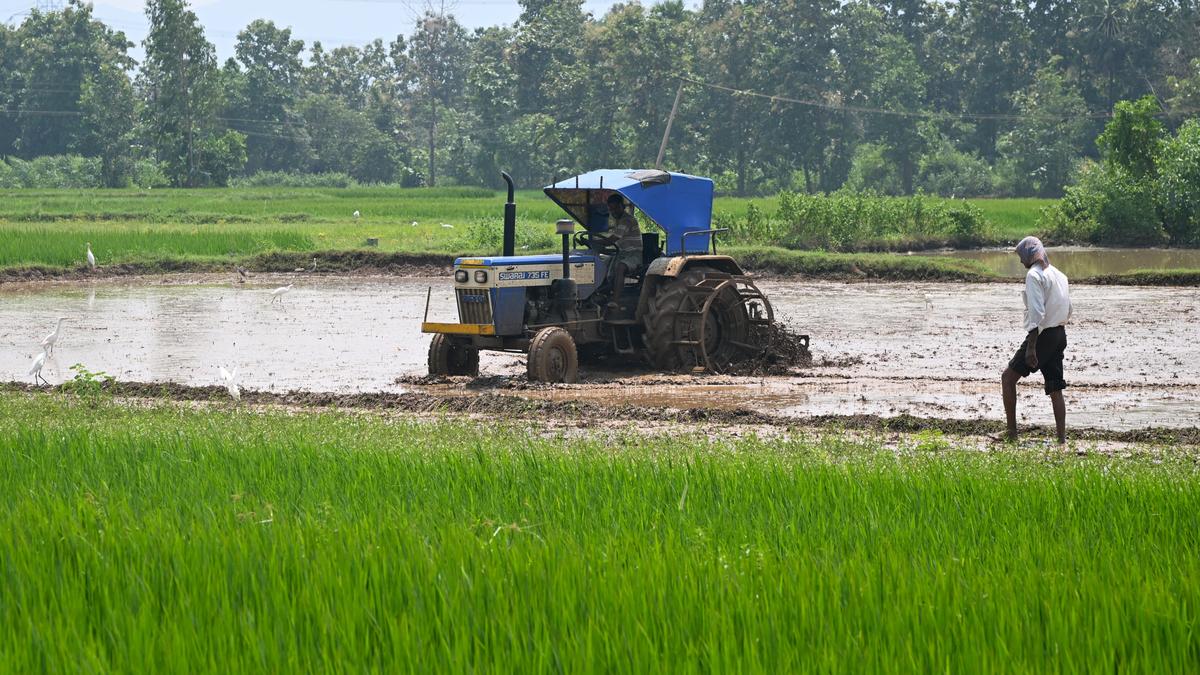
A new study reveals that rural agricultural workers migrating to cities are largely stuck in low-productivity, informal roles. Experts argue that structural policy reforms in education and healthcare are essential to bridge this productivity gap.
The Structural Stagnation of Rural-to-Urban Migration
A recent study published in the Journal of Development Economics, authored by economists Rajveer Jat and Bharat Ramaswami, has unveiled a concerning trend regarding India's labor market transformation. By analyzing the Reserve Bank of India’s (RBI) KLEMS data, the researchers found that over the past 25 years, the expected transition of agricultural laborers into high-productivity urban roles has largely failed. Instead, these workers have been absorbed into informal, low-productivity sectors, effectively shifting their location without improving their economic standing.
The Trap of Informal Employment
According to the study, between 63% and 75% of non-farm workers are currently employed in industries such as restaurants, construction, and transport. These sectors are characterized by high levels of informality and offer productivity levels that are comparable to, or in some cases lower than, the agricultural sector they left behind. This finding challenges the conventional developmental narrative that migration to urban centers is an inherent pathway to upward socioeconomic mobility.
Economic Implications of the Productivity Gap
The lack of a meaningful productivity boost during this transition suggests a structural bottleneck in the Indian economy. When labor moves from agriculture to these informal urban niches, the aggregate economic output does not experience the 'Lewisian' transformation—the classic economic theory where labor shifts from low-productivity agriculture to high-productivity manufacturing. Without this shift, the movement of labor acts more as a survival mechanism for rural families rather than a catalyst for national industrial growth.
Policy Interventions for Long-term Growth
Jat and Ramaswami argue that the current trajectory is unsustainable and calls for targeted policy intervention. The study emphasizes that the focus must shift from simply facilitating migration to enhancing the human capital of the workforce. By expanding access to quality education and healthcare, the state can better equip rural workers with the skills necessary to transition into high-productivity sectors rather than being relegated to the informal service economy.
Future Trends and Challenges
Looking ahead, the reliance on informal urban jobs poses a significant risk to future economic stability. As automation and formalization continue to reshape global labor markets, those stuck in low-productivity, informal roles remain highly vulnerable to economic shocks. The authors’ call for infrastructure and human capital investment suggests that India’s demographic dividend may only be realized if there is a deliberate, state-led effort to bridge the skills gap that currently keeps rural migrants tethered to the informal sector.
Conclusion
The findings provide a sobering reality check on the nature of urban migration in India. For the agricultural laborer, the journey to the city has become a move across sectors rather than a move up the economic ladder. Addressing this will require a multifaceted approach that prioritizes the quality of employment over the mere quantity of labor movement, ensuring that future migration serves as a engine for development rather than a cycle of stagnant informality.
Verification Required?