Proposal To Settle Russia Bangladesh Trade In Indian Rupees Is Under Review
Source Entity
NDTV News Search Records Found 1000
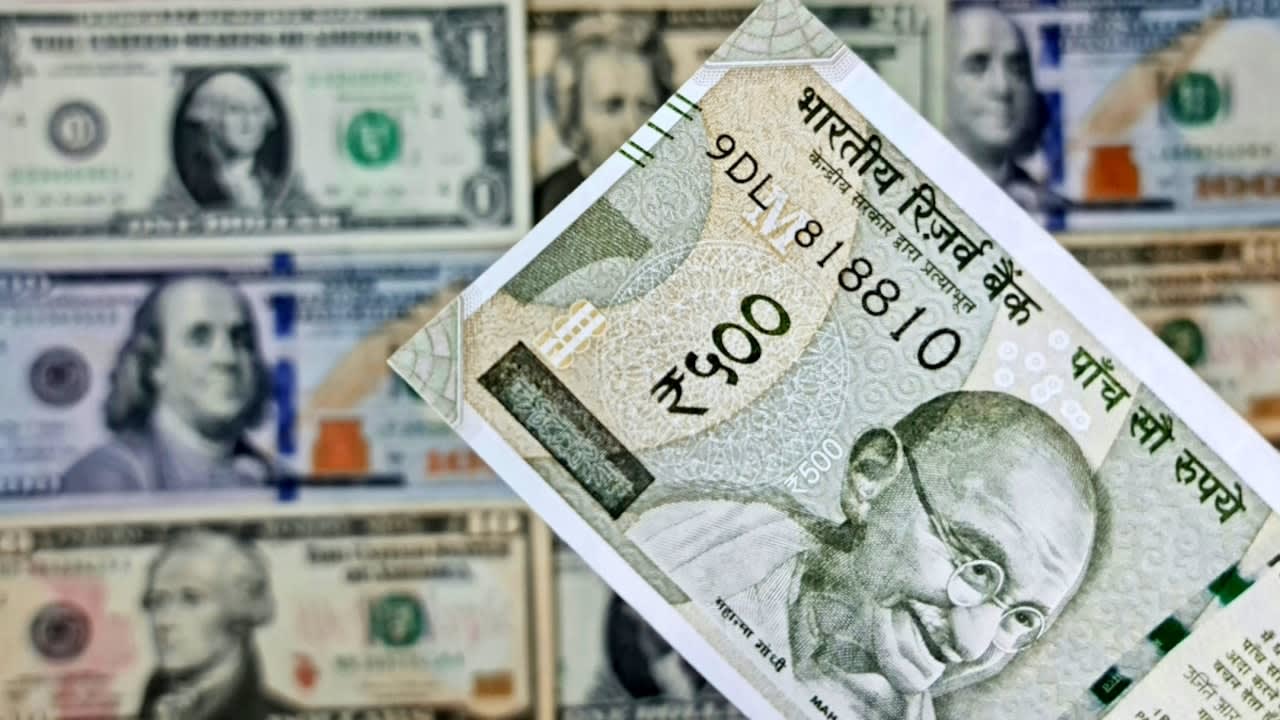
Bangladesh and Russia are currently reviewing a proposal to conduct bilateral trade using the Indian Rupee. This initiative seeks to simplify financial transactions and mitigate challenges associated with international payment systems.
Strategic Shift in Bilateral Trade: The Rupee Proposal
The recent proposal to settle bilateral trade between Russia and Bangladesh using the Indian Rupee marks a significant shift in the regional financial landscape. As nations seek alternatives to traditional reserve currencies, the utilization of the Indian Rupee represents an attempt to bypass existing complexities in international payment channels and sanctions-related restrictions that have impacted global trade flows.
Contextualizing the Financial Mechanism
At its core, this proposal is a pragmatic response to the geopolitical and economic hurdles currently facing trade partners of Russia. By leveraging the Indian Rupee—a currency that has seen increased interest in bilateral trade settlements—Bangladesh and Russia aim to stabilize their commercial relationship. This mechanism, if implemented, would allow for a more direct settlement process, potentially reducing the reliance on third-party banking systems that have become increasingly difficult to navigate due to international sanctions.
Regional Economic Implications
For Bangladesh, this move is indicative of a broader strategy to diversify its currency reserves and payment settlement options. As the nation continues to manage its foreign exchange reserves, finding ways to facilitate imports from Russia—a key supplier of energy and raw materials—without exhausting US dollar reserves is a strategic priority. The introduction of the Rupee as a settlement currency could provide a buffer, ensuring the continuity of essential imports while maintaining fiscal stability.
The Role of the Indian Rupee in Global Markets
India’s push to internationalize the Rupee provides the necessary infrastructure for such a proposal to be considered. By expanding the use of the Rupee in cross-border transactions, India is positioning itself as a central financial hub for regional trade. If Russia and Bangladesh successfully adopt this model, it could serve as a case study for other developing economies looking to facilitate trade in local or regional currencies, thereby challenging the hegemony of traditional global reserve currencies.
Future Trends and Challenges
Looking ahead, the success of this initiative will depend on the regulatory frameworks established by the central banks of all three involved nations. Technical integration between the banking systems of Bangladesh and Russia, facilitated by Indian banking intermediaries, will be critical. If this pilot or proposed model proves efficient, we may see a trend toward 'de-dollarization' of specific trade corridors, leading to a more fragmented but perhaps more resilient regional payment architecture.
Conclusion
In summary, the proposal to utilize the Indian Rupee for trade between Russia and Bangladesh is a calculated effort to maintain economic cooperation amidst a shifting global environment. While the proposal is currently under review, its potential adoption reflects a growing trend of regional economic integration and the search for financial alternatives that prioritize continuity and stability over traditional international settlement standards.
Verification Required?