‘Harm to bilateral ties’: Russia demands US, Turkey explanation over possible Ukraine arms transfer - What's happening
Source Entity
Latest News: Todays Latest News Headlines from India & World | Hindustan Times | Hindustan Times
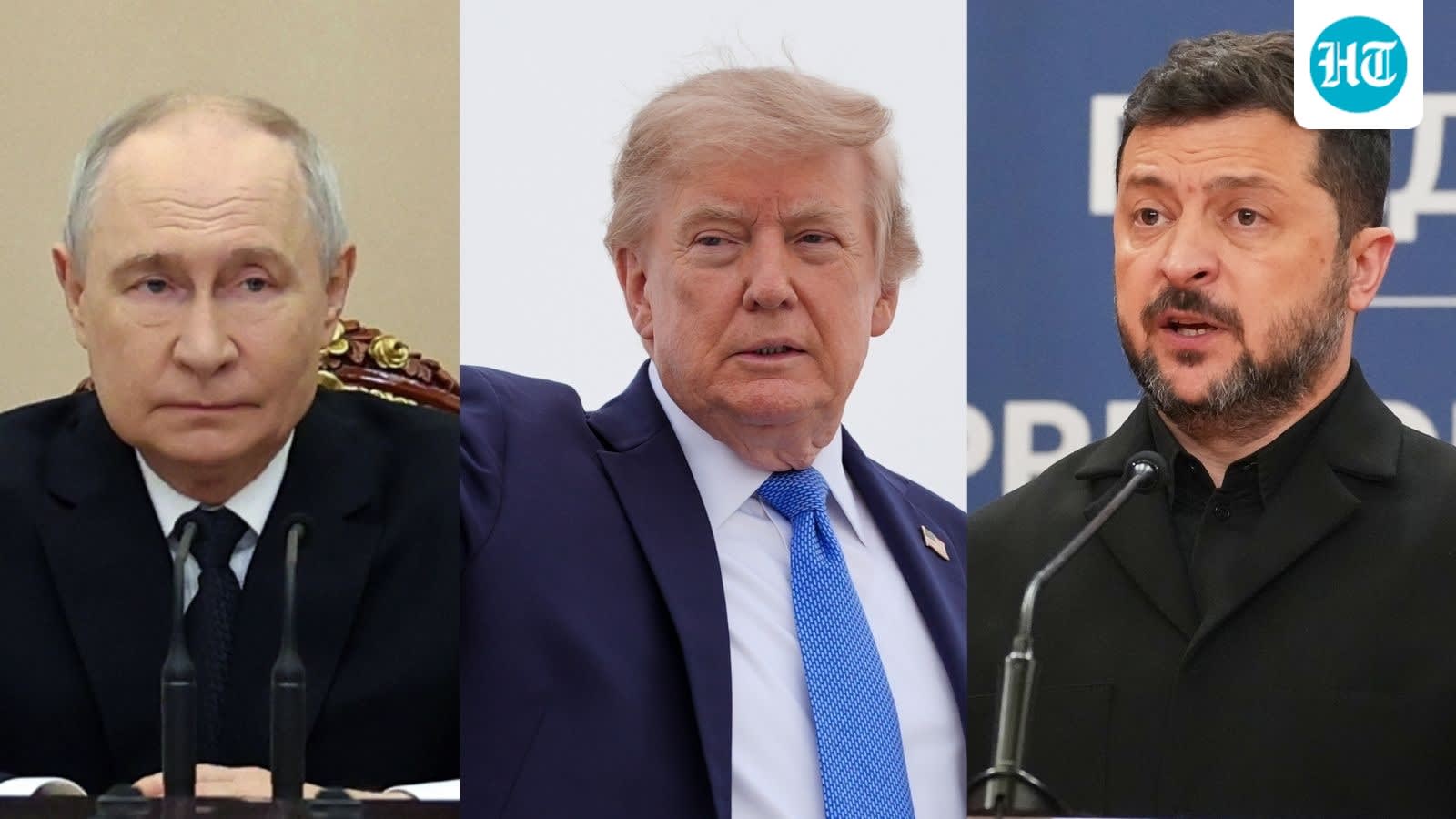
Russia has formally requested explanations from the US and Turkey regarding reports of a potential transfer of US-made weapons held by Turkey to Ukraine. Moscow warns that such a move would cause significant harm to its bilateral relations with both nations.
Diplomatic Tensions Escalate Over Potential Arms Transfer
Recent reports indicating a potential transfer of a "substantial arsenal" of US-made weapons and ammunition from Turkey to Ukraine have sparked a sharp diplomatic rebuke from Moscow. Russian Foreign Ministry spokeswoman Maria Zakharova confirmed that the Kremlin has formally demanded explanations from both Washington and Ankara regarding these alleged plans. This development underscores the precarious nature of international alliances in the context of the ongoing Russia-Ukraine conflict.
The Geopolitical Stakes of Arms Transfers
The potential movement of US-origin military hardware through third-party intermediaries—in this case, Turkey—represents a complex layer of international arms control and diplomacy. Turkey, a NATO member that has maintained a delicate balancing act by engaging in dialogue with both Russia and Ukraine, now finds itself at the center of a potential escalation. For Russia, the transfer of such an arsenal would not merely be a logistical shift but a strategic challenge, directly impacting the tactical landscape of the conflict.
Impact on Bilateral Relations
Maria Zakharova’s statement explicitly links the potential transfer to the stability of bilateral ties. By demanding clarity, Moscow is signaling that it views the involvement of third-party NATO stocks as a significant crossing of a red line. The warning suggests that Russia is prepared to calibrate its diplomatic and economic engagement with Turkey and the US based on their responses to these reports, potentially endangering the fragile channels of communication established since the conflict began.
Historical Context and Regional Stability
Historically, Turkey has acted as a mediator, most notably facilitating the Black Sea Grain Initiative. However, the prospect of transferring US-held weapons to Kyiv threatens to undermine Turkey's role as a neutral arbiter. This situation reflects the broader struggle of regional powers attempting to navigate the conflicting pressures of NATO commitments and the necessity of maintaining working relationships with Moscow to ensure regional stability.
Future Trends and Diplomatic Fallout
The outcome of this demand for explanation will likely set a precedent for how NATO allies manage their stockpiles in relation to the Ukraine conflict. If the reports are confirmed, it could lead to a hardening of positions, further complicating the already strained dialogue between Russia and the West. Conversely, a denial or retraction of these plans could serve as a temporary de-escalation, though the underlying friction regarding the supply of military aid to Ukraine will undoubtedly persist.
Conclusion
The demand from Moscow highlights the volatility of the current security environment. As the Kremlin continues to monitor the movement of Western weaponry, the pressure on Turkey to maintain its strategic ambiguity will increase. The international community will be watching closely to see how the US and Turkey address these inquiries and whether this diplomatic friction results in a shift in regional defense policies.
Verification Required?