Russia’s economy is an ‘illusion’ built on debt, and a banking crisis is ready to explode, intel report says, while the Kremlin may seize pensions
Source Entity
Yahoo Finance
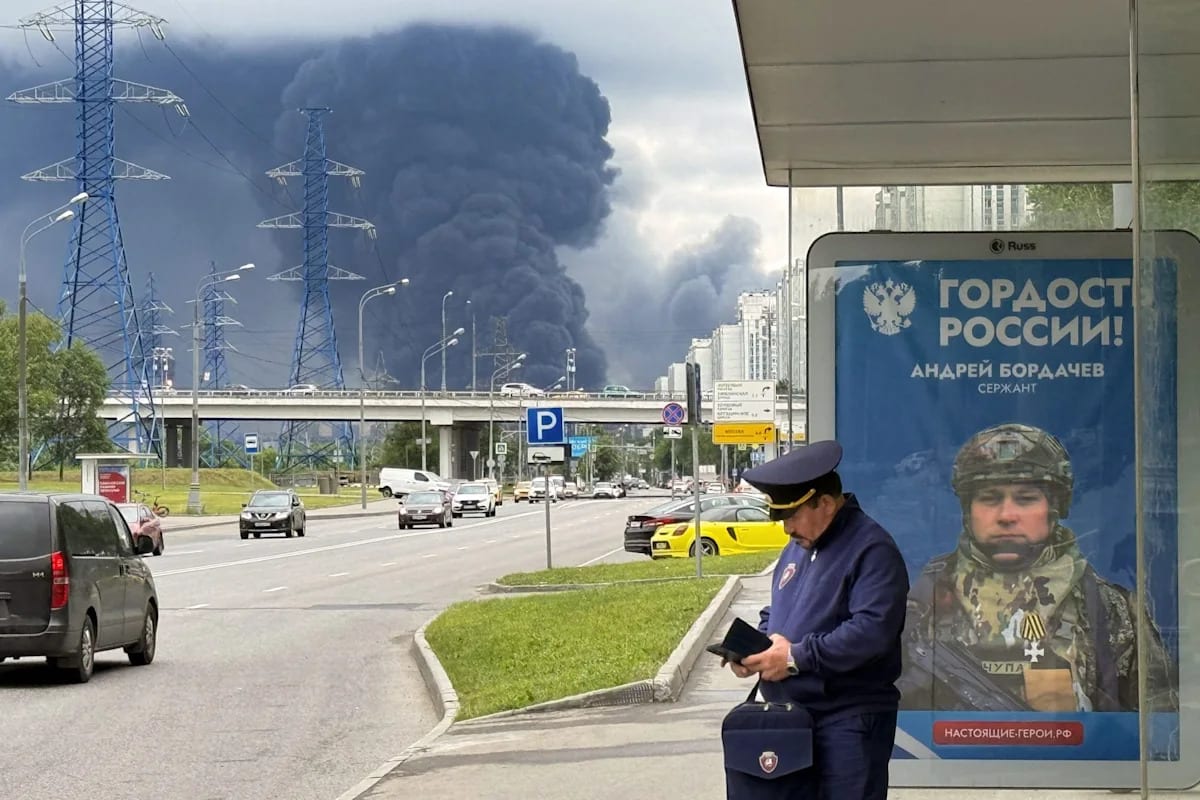
An energy crisis is already ravaging Russia's economy, and a banking crisis may soon erupt as a mountain of debt weighs on consumers and businesses. According to a European intelligence report seen b...
Analysis: The Fragility of the Russian Economic Facade
Recent findings from a European intelligence report have cast a shadow over the perceived resilience of the Russian economy. The report asserts that the current stability exhibited by the Kremlin is essentially an 'illusion,' meticulously constructed on a foundation of mounting debt. This suggests that while macroeconomic indicators may appear stable on the surface, the underlying structural integrity of the financial system is deteriorating rapidly, leaving the nation vulnerable to a systemic collapse.
The Debt Trap and Banking Vulnerability
At the heart of this instability is a burgeoning mountain of debt affecting both individual consumers and corporate entities. When a state maintains a facade of growth through credit expansion during periods of high inflation or sanctions, it creates a precarious bubble. The report indicates that this debt-driven model is reaching a breaking point. As interest rates shift and the cost of servicing this debt rises, the Russian banking sector faces a potential 'explosion.' A banking crisis of this magnitude would not only freeze credit markets but could lead to widespread defaults, erasing the savings of millions and paralyzing business operations across the federation.
The Energy Crisis as a Catalyst
Compounding the financial instability is an ongoing energy crisis that is reportedly ravaging the economy. Historically, Russia has relied on its vast energy exports to buffer against economic shocks and fund state expenditures. However, the report suggests that this pillar is crumbling. Whether due to infrastructure decay, shifting global demand, or the impact of international sanctions, the inability to effectively monetize energy resources is stripping the Kremlin of its primary source of hard currency. This loss of revenue accelerates the need for desperate internal financing, further fueling the debt cycle mentioned previously.
Social Implications: The Threat to Pensions
Perhaps the most alarming revelation in the intelligence report is the possibility that the Kremlin may resort to seizing pensions to plug fiscal holes. Pensions represent a critical social contract between the state and its elderly population; breaking this contract would be a move of absolute desperation. Such a measure would likely be framed as a 'temporary stabilization effort,' but the psychological and social impact would be profound. Seizing pensions would likely trigger widespread social unrest, as it directly attacks the survival mechanism of a vulnerable demographic, potentially leading to internal instability that could mirror the banking crisis.
Broader Geopolitical and Economic Implications
This situation reflects a broader trend where the Russian state is forced to prioritize short-term survival over long-term economic health. By leveraging debt and potentially cannibalizing social safety nets, the government is essentially borrowing from its own future. The intelligence report underscores a dangerous trajectory: as the 'illusion' of stability fades, the gap between the state's official narrative and the lived reality of its citizens widens. This divergence often precedes sudden, volatile corrections in the economy, where the accumulated pressure of debt and energy shortages manifests as a sharp, uncontrollable crash.
Conclusion and Future Outlook
In summary, the European intelligence report paints a grim picture of a Russian economy on the brink. The intersection of a debt-fueled banking sector, a failing energy apparatus, and the potential for state-sponsored theft of pensions suggests a systemic failure is imminent. Moving forward, the global community should expect increased volatility in Russian markets and a potential surge in internal social volatility. The transition from a managed 'illusion' to a tangible crisis will likely be marked by sudden currency devaluation and a desperate attempt by the Kremlin to maintain control through increasingly draconian financial measures.