In Numbers: How Russia-India Energy Dynamics Are Changing
Source Entity
NDTV News Search Records Found 1000
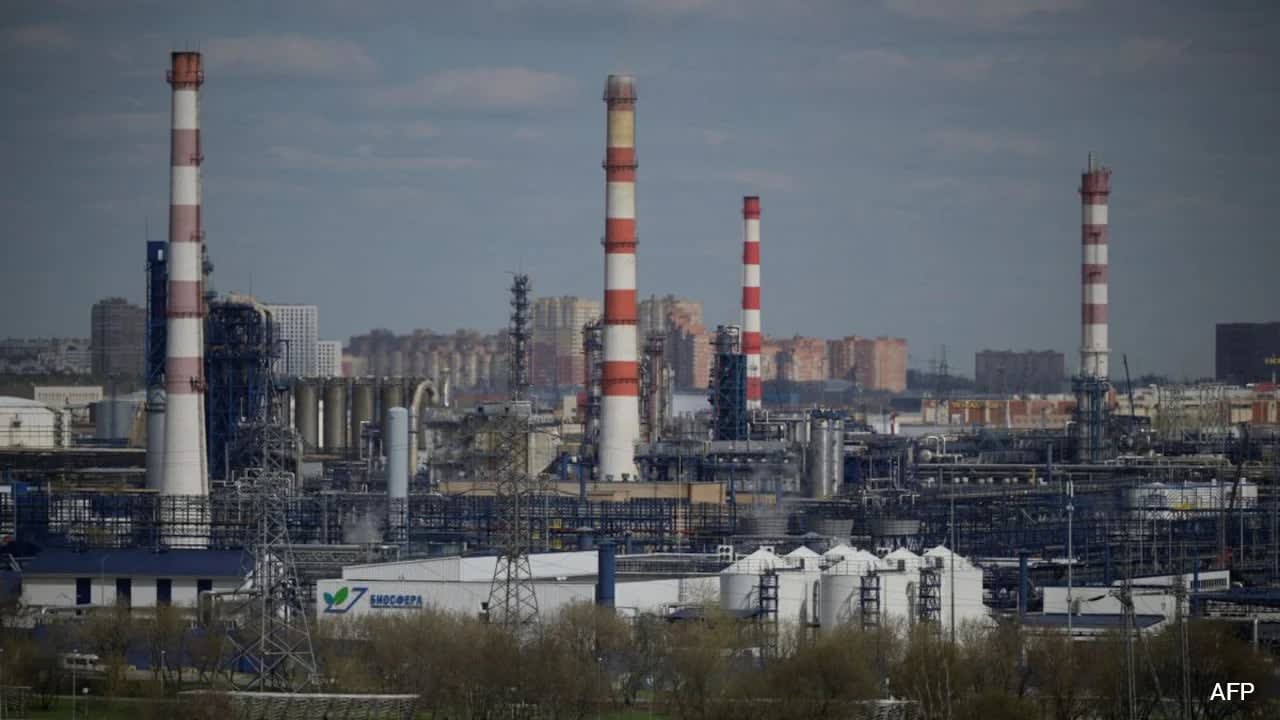
Russia-India energy dynamics are evolving as Moscow's oil refineries, such as Gazprom Neft's facility, play a central role in supply chains. These infrastructure assets remain critical to the shifting global trade flows between the two nations.
The Strategic Role of Russian Refining in Global Energy Markets
Recent shifts in the global energy landscape have placed a renewed focus on the operational capabilities of Russian oil producers, most notably Gazprom Neft. The Moscow oil refinery, located on the south-eastern outskirts of the capital, serves as a primary hub for processing crude into refined products. As international trade routes adjust to geopolitical pressures, the role of such refineries has become a focal point for understanding how Russia manages its domestic and export-oriented energy output.
The Mechanics of the Moscow Refinery
The Moscow refinery is a cornerstone of Gazprom Neft’s operational footprint. By converting raw crude into high-demand products like gasoline and diesel, the facility ensures the stability of the local supply chain while simultaneously anchoring the company's broader export strategy. Its geographic positioning allows for efficient distribution across the region, serving as a critical node that stabilizes the flow of energy resources before they are redirected toward international markets, including growing partnerships with nations like India.
Evolving Russia-India Energy Dynamics
The energy relationship between Russia and India has seen significant transformation, characterized by an increase in crude oil trade. The operational capacity of refineries like the one managed by Gazprom Neft directly influences the availability and pricing of energy products that reach global buyers. As India seeks to diversify its energy basket to support its rapidly growing economy, the efficiency and output of Russian infrastructure have become vital components of this bilateral economic corridor.
Infrastructure as a Geopolitical Tool
Beyond simple supply metrics, the infrastructure owned by entities like Gazprom Neft acts as a tangible indicator of Russia's industrial resilience. The ability to maintain and optimize facilities like the Moscow refinery despite external economic pressures is a key factor in how Russia maintains its status as a major energy exporter. This resilience provides a foundation for long-term supply agreements that are currently reshaping the energy import profile of major Asian economies.
Future Trends and Market Implications
Looking ahead, the synergy between Russian production capacity and the demand from emerging markets like India is likely to deepen. Future trends will likely focus on the technological modernization of refineries to increase output efficiency and comply with changing international standards. By monitoring the output and strategic focus of facilities like the Moscow oil refinery, analysts can better predict the direction of global energy pricing and the sustainability of the current trade arrangements between Moscow and New Delhi.
Verification Required?