S-500, Su-57 At Heart Of Putin's Big India Defence Pitch
Source Entity
NDTV News Search Records Found 1000
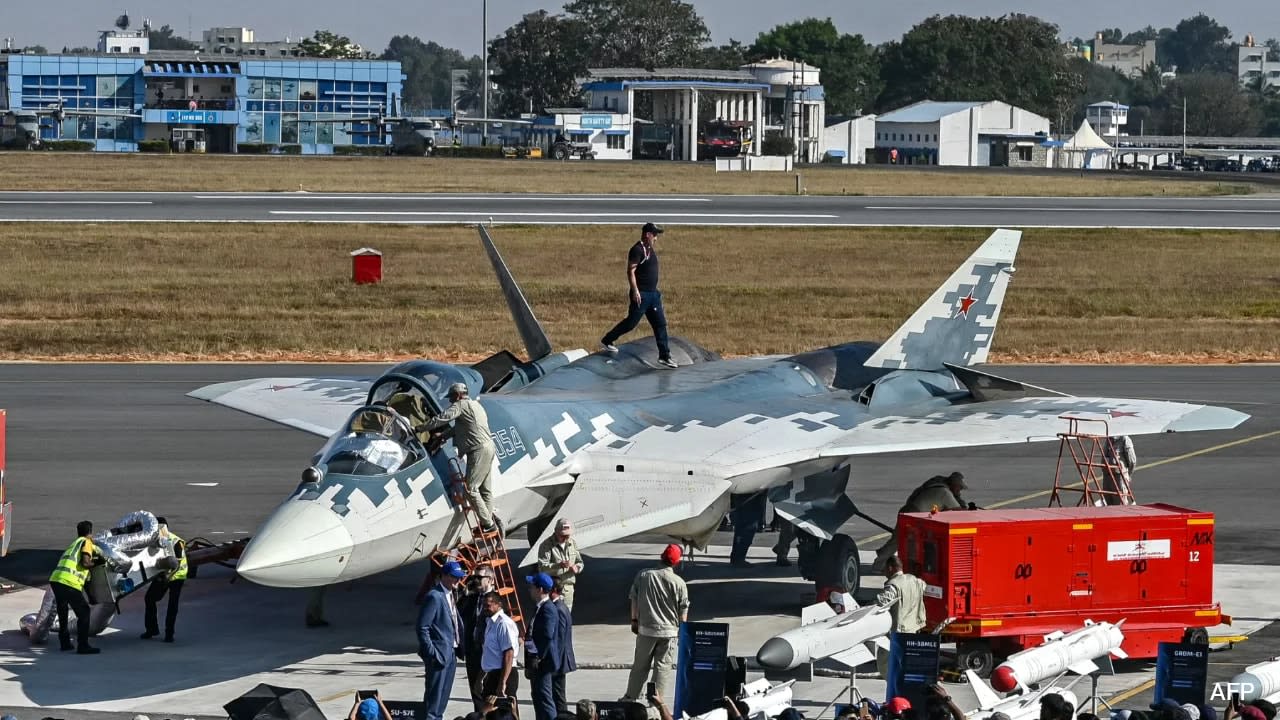
Russia is aggressively pitching additional S-400 missile systems and the advanced Su-57 fighter jet to India. This offer presents India with a complex strategic dilemma regarding its future defense procurement and international military partnerships.
The Evolution of Indo-Russian Defense Ties
The landscape of global defense procurement is currently witnessing a significant pivot as Russia intensifies its efforts to deepen military cooperation with India. Central to this initiative is the Russian proposal to supply five additional S-400 Triumf missile systems to the Indian Armed Forces. This development builds upon the existing framework established in 2018, under which India has already received four of the five units initially ordered. The S-400 remains a cornerstone of India's air defense strategy, providing a sophisticated layer of protection against a wide array of aerial threats.
Expanding the S-400 Shield
The potential acquisition of five more S-400 units underscores a strategic commitment to maintaining a robust defensive posture. By expanding this fleet, India aims to create a more comprehensive and redundant surface-to-air missile network. Given the operational success and the strategic integration of the first four units, the move to procure additional systems suggests that the Indian military values the platform's reliability and its ability to neutralize high-performance aircraft and missiles at significant ranges. This expansion is not merely a purchase; it is a long-term investment in regional stability.
The Su-57 Dilemma
Beyond ground-based air defenses, Russia has introduced a more controversial and technologically complex proposition: the Sukhoi Su-57 'Felon.' As Russia’s premier fifth-generation stealth fighter, the Su-57 is being positioned as a centerpiece of Vladimir Putin's defense pitch to New Delhi. However, this offer presents a significant dilemma for Indian defense planners. Integrating the Su-57 would require a massive overhaul of existing logistics, pilot training, and maintenance infrastructure, while also raising questions about how such an acquisition aligns with India's long-term 'Make in India' initiative and its concurrent interest in indigenous fighter development programs.
Geopolitical and Strategic Implications
These Russian pitches occur within a delicate geopolitical context. India has historically maintained a policy of strategic autonomy, balancing its defense needs between Russian hardware and an increasing array of Western and indigenous systems. The reliance on Russian technology, particularly in the face of potential global sanctions and supply chain volatility, forces India to weigh the immediate tactical advantages of the S-400 and Su-57 against the risks of long-term dependency. The decision-making process is likely to be characterized by cautious deliberation, as India evaluates the interoperability of these systems with its existing assets.
Future Trends in Defense Procurement
The trajectory of these negotiations will likely influence the future of Indo-Russian defense relations for decades. As India seeks to modernize its military to face modern threats, the choice between deepening ties with traditional partners like Russia or accelerating the diversification of its defense portfolio remains a critical challenge. Whether India proceeds with these new acquisitions will serve as a bellwether for its broader foreign policy strategy, reflecting how the nation navigates the competing pressures of regional security, technological advancement, and international alliances.
Verification Required?