Russians urged to work from home amid fuel crisis
Source Entity
Agencies
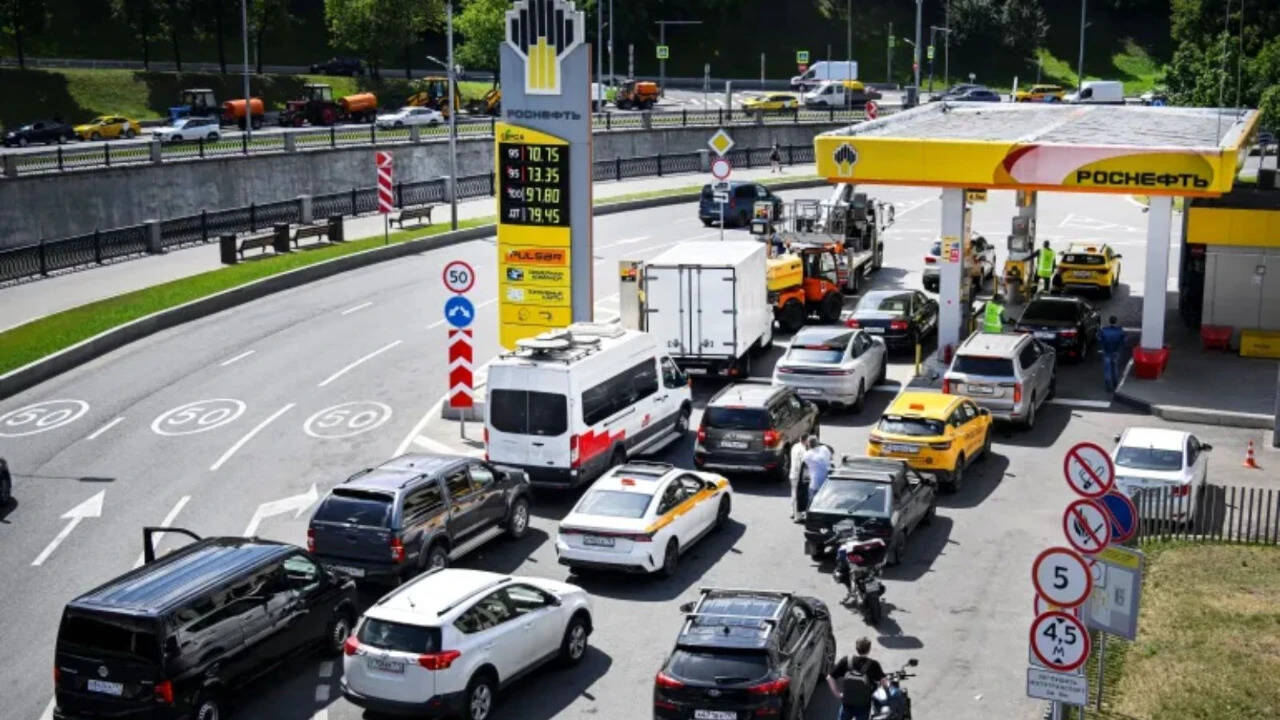
Russia's Novosibirsk region is urging remote work and reduced car travel. This comes amid a deepening fuel crisis affecting many Russian areas. Ukrainian strikes on oil refineries have significantly impacted fuel supplies. One major facility in Omsk was recently disabled by an attack. This situation has led to fuel shortages and rationing across Russia.
The Escalation of Russia's Domestic Fuel Crisis
The Novosibirsk region is currently facing a significant logistical challenge as local authorities have issued urgent calls for residents to transition to remote work and minimize non-essential car travel. This move is a direct response to a rapidly escalating fuel crisis that is beginning to manifest across various parts of the Russian Federation. The directive highlights the severity of the supply chain disruption, signaling a shift from mere economic inconvenience to a state where civilian mobility is being actively managed by the government to preserve dwindling fuel stocks.
The Impact of Targeted Infrastructure Strikes
At the heart of this crisis is the systematic targeting of Russia's energy infrastructure. Recent Ukrainian drone strikes have successfully disabled critical oil refining facilities, most notably a major facility in Omsk. These strikes represent a strategic pivot in the conflict, focusing on the economic and logistical backbone of the Russian state. By disabling these refineries, the capacity to process crude oil into usable gasoline and diesel is severely hampered, creating a bottleneck in the supply chain that cannot be easily rectified through traditional imports or rapid repairs.
Regional Shortages and Rationing Measures
The consequences of these refinery outages are being felt through widespread fuel shortages and the implementation of rationing measures across several Russian regions. As the supply of refined products dwindles, the competition for available fuel intensifies, leading to volatility in both availability and pricing. The urgency in Novosibirsk to encourage remote work suggests that regional supplies are under such extreme pressure that even standard commuter patterns could exacerbate the shortage, potentially threatening the movement of essential services and military logistics.
Economic and Strategic Implications
Historically, Russia's economic stability and military capacity have been heavily reliant on the uninterrupted flow of its energy sector. The shift from being a dominant global energy exporter to struggling with domestic fuel stability marks a significant pivot in the conflict's internal impact. This vulnerability demonstrates how modern asymmetric warfare—specifically the use of long-range drone strikes—can bypass traditional frontline defenses to strike at the heart of a nation's internal stability and economic continuity.
Future Trends and Outlook
Looking ahead, the fuel crisis is likely to persist as long as refinery repairs remain stalled by the ongoing conflict and the scarcity of specialized components. We can expect further regional directives similar to Novosibirsk's as other areas face similar supply shocks. There is a high probability that the Russian government will be forced to prioritize fuel allocation for military operations and essential state services, potentially leaving civilian populations to navigate increasingly restrictive travel mandates and heightened economic hardships.
Summary
In summary, the situation in Novosibirsk is a localized symptom of a much larger, strategic disruption of Russia's energy supply chain. The transition to remote work is a defensive measure intended to manage a scarcity driven by external military pressure on critical infrastructure. As the conflict evolves, the intersection of energy security and domestic stability will remain a critical focal point of the ongoing geopolitical struggle.