Russia returns to G20 table in Bangkok on U.S. invitation that angers Europe
Source Entity
US Top News and Analysis
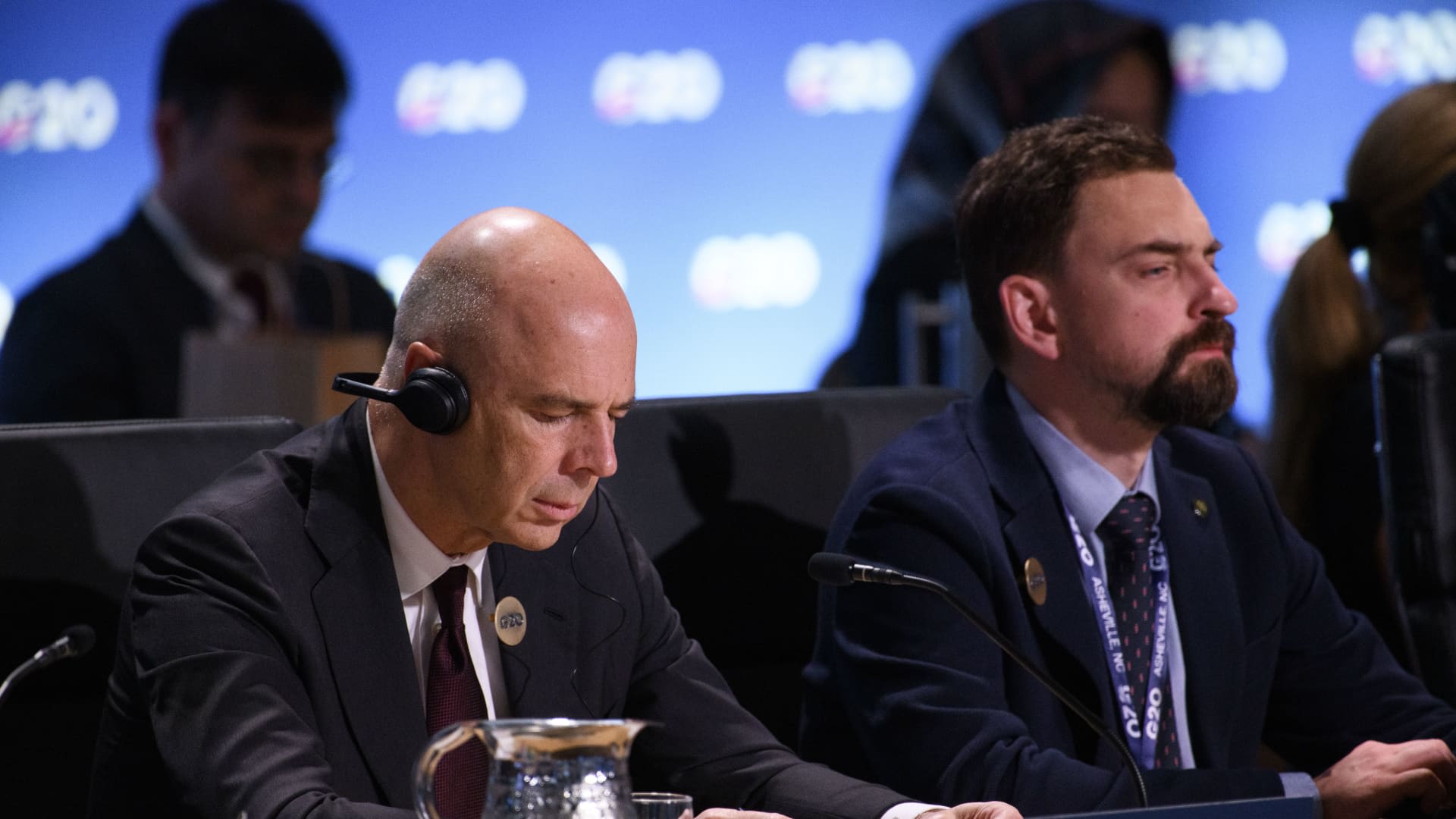
Russia's participation in the 2026 G20 meetings, facilitated by a U.S. invitation, signals a potential shift in international diplomatic strategy. This move has sparked significant friction between Washington and its European allies regarding the isolation of Moscow.
The Return of Russia to the G20 Table
The participation of Russian Finance Minister Anton Siluanov in the 2026 G20 financial meetings marks a significant pivot in global diplomatic relations. Following years of efforts to isolate the Russian Federation on the international stage, the invitation extended by the United States to attend these proceedings in Bangkok serves as a stark acknowledgment of the complexities inherent in managing global sovereign debt and economic stability.
Testing the Transatlantic Alliance
This strategic outreach by Washington has placed immense strain on the unity of Western coalitions. By facilitating Russia's presence at the plenary session hosted by Treasury Secretary Scott Bessent, the United States is testing the limits of its European allies' willingness to maintain a unified front against Moscow. The discomfort among European nations is palpable, as they have historically advocated for a strict policy of exclusion following the 2022 invasion of Ukraine.
The Role of Financial Diplomacy
The inclusion of Anton Siluanov and Bank of Russia Deputy Governor Elizaveta Danilova highlights the necessity of Russia's involvement in discussions surrounding sovereign debt. As the global economy faces mounting pressures, the G20 remains the primary forum for coordinating fiscal policy. The presence of Russian officials suggests that the U.S. administration prioritizes functional cooperation on global financial architecture over symbolic diplomatic exclusion.
Diplomatic Hurdles in Bangkok
The meetings, held on the sidelines of the IMF-World Bank Annual Meetings, serve as a barometer for the current state of geopolitical realignments. With the seating plans confirming the presence of high-ranking Russian delegates, it is clear that the U.S. is willing to risk diplomatic friction to ensure that major stakeholders are present at the negotiating table. This move fundamentally challenges the prevailing consensus that has dominated Western policy since 2022.
Implications for Future Global Governance
Looking ahead, this development suggests a potential shift toward a more pragmatic, albeit contentious, form of international engagement. If the U.S. continues to pursue this rapprochement, it may lead to a restructuring of how the G20 functions as a deliberative body. The tension between security concerns and economic necessity remains the defining challenge for the current administration, indicating that the path forward will likely be marked by continued discord with European partners who remain wary of re-integrating Russia into high-level discussions.
Conclusion
In summary, the return of Russian officials to the G20 plenary session is a watershed moment that highlights the deepening divide between American strategic interests and European security policies. While the move aims to address critical sovereign debt issues, it has undeniably opened a new chapter of diplomatic volatility that will shape international relations for the foreseeable future.