Putin's TU-214PU touches down in Tehran, encrypted war room ready for Russia-Iran war planning?
Source Entity
Latest News: Today's Latest News Headlines from India & World | Hindustan Times | Hindustan Times
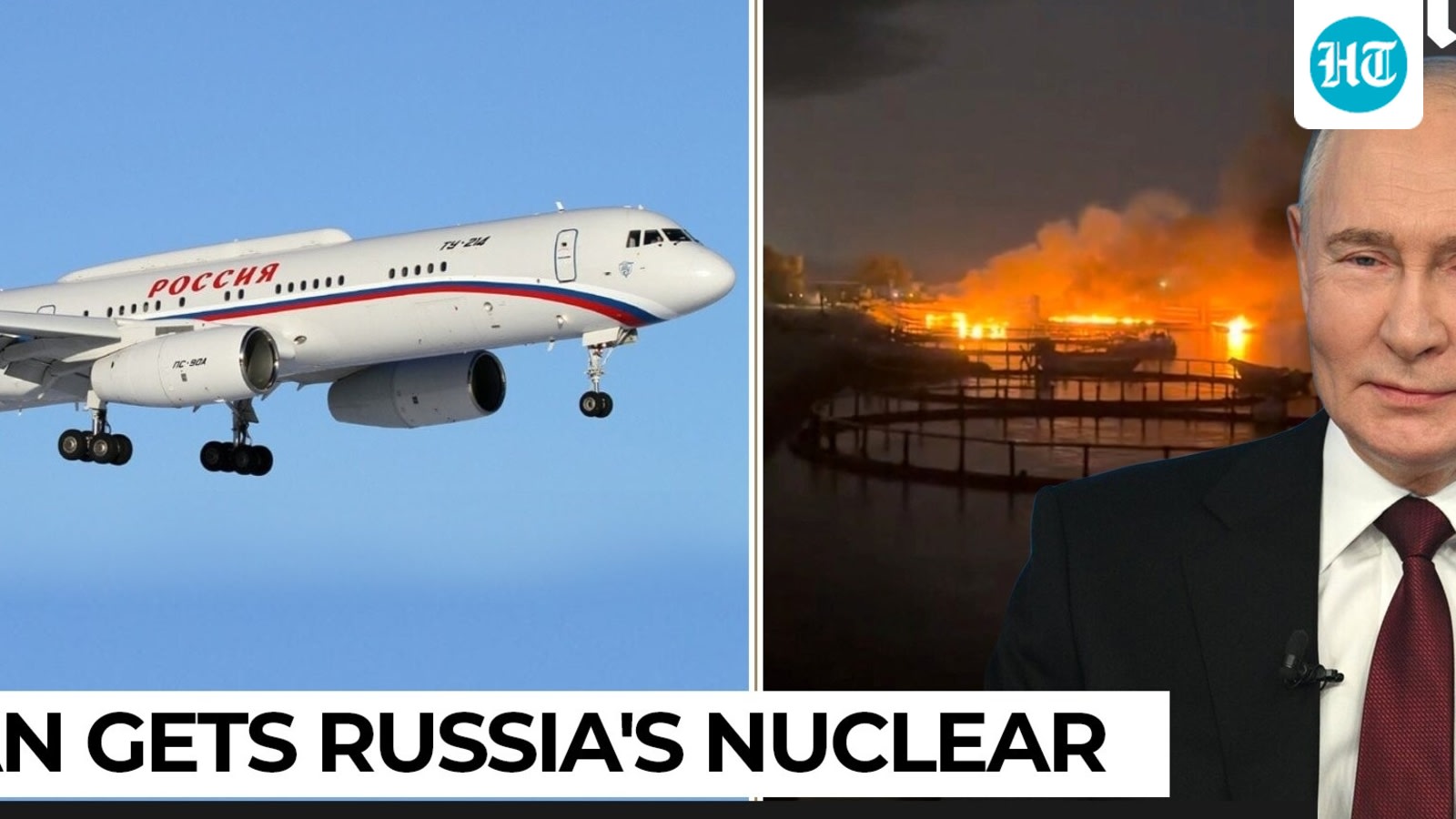
Reports claiming that Russia's Tu-214PU airborne command aircraft—often described as a "flying Kremlin" due to its secure command-and-control role—landed in Tehran have fueled speculation about deeper Moscow-Tehran coordination after recent U.S. strikes on Iran. While analysts debate the mission behind the visit, the development has intensified discussion over Russia-Iran military ties and the broader geopolitical implications.
Strategic Signaling: The Arrival of the 'Flying Kremlin' in Tehran
The landing of Russia's Tu-214PU in Tehran represents far more than a routine diplomatic visit. The Tu-214PU is not a standard presidential transport; it is a highly specialized airborne command post, often referred to as the 'Flying Kremlin.' Equipped with advanced encrypted communication systems and secure command-and-control infrastructure, the aircraft is designed to allow the Russian leadership to manage strategic nuclear and conventional forces from the air. Its presence in Iran suggests a level of military coordination that transcends traditional diplomacy, signaling a move toward integrated strategic planning between Moscow and Tehran.
The Technical Significance of the Tu-214PU
To understand the gravity of this event, one must look at the capabilities of the Tu-214PU. Unlike standard diplomatic jets, this aircraft serves as a mobile war room. It is engineered to maintain secure, jam-resistant links with military headquarters and frontline units, ensuring that the chain of command remains intact even during a catastrophic conflict. By deploying this specific asset to Tehran, Russia is effectively bringing its most secure communication infrastructure to Iranian soil. This capability allows for the real-time exchange of highly classified intelligence and the coordination of military maneuvers without the risk of interception by Western signals intelligence (SIGINT) agencies.
Geopolitical Context: The Russia-Iran Axis
The timing of this visit is critical, occurring in the wake of U.S. strikes on Iran. This development underscores a growing 'axis of convenience' between Vladimir Putin and the Iranian leadership. Over the past few years, this relationship has evolved from opportunistic trade to a deep military partnership, most notably evidenced by Iran's supply of Shahed drones to Russia for use in the Ukraine conflict. The arrival of the Tu-214PU suggests that the partnership is now expanding into higher-level strategic coordination, potentially involving joint deterrence strategies against U.S. influence in the Middle East and Eastern Europe.
Implications of 'War Room' Coordination
The speculation regarding an 'encrypted war room' for war planning suggests that Russia and Iran may be discussing coordinated responses to Western pressure. If the two nations are aligning their military command structures, it could lead to shared intelligence on U.S. troop movements, joint cyber-warfare strategies, or the synchronization of regional destabilization efforts. For the United States and NATO, this represents a significant escalation, as it merges Russia's strategic nuclear posture and command capabilities with Iran's regional proxy network and asymmetrical warfare expertise.
Future Trends and Regional Stability
Looking forward, this event likely foreshadows a more formalized military alliance. We can expect an increase in joint military exercises and perhaps the deployment of more advanced Russian air defense systems or fighter jets to Iran. As Russia becomes more isolated from the West, its reliance on Iran as a strategic partner in the Global South increases, while Iran views Russia as a vital shield against U.S. hegemony. This synergy creates a feedback loop where each nation's defiance of international norms is emboldened by the other's support.
Conclusion
The deployment of the Tu-214PU to Tehran is a potent symbol of the hardening alliance between Russia and Iran. By bringing a 'flying war room' to the heart of Iran, Moscow is signaling that it is prepared to coordinate at the highest strategic levels to counter U.S. actions. While the exact nature of the discussions remains classified, the operational capabilities of the aircraft indicate that the conversation is centered on security, command, and potential conflict management, marking a dangerous new chapter in global geopolitical instability.
Verification Required?