Putin Says Ukraine Interfering In Russian Parliamentary Election
Source Entity
NDTV News Search Records Found 1000
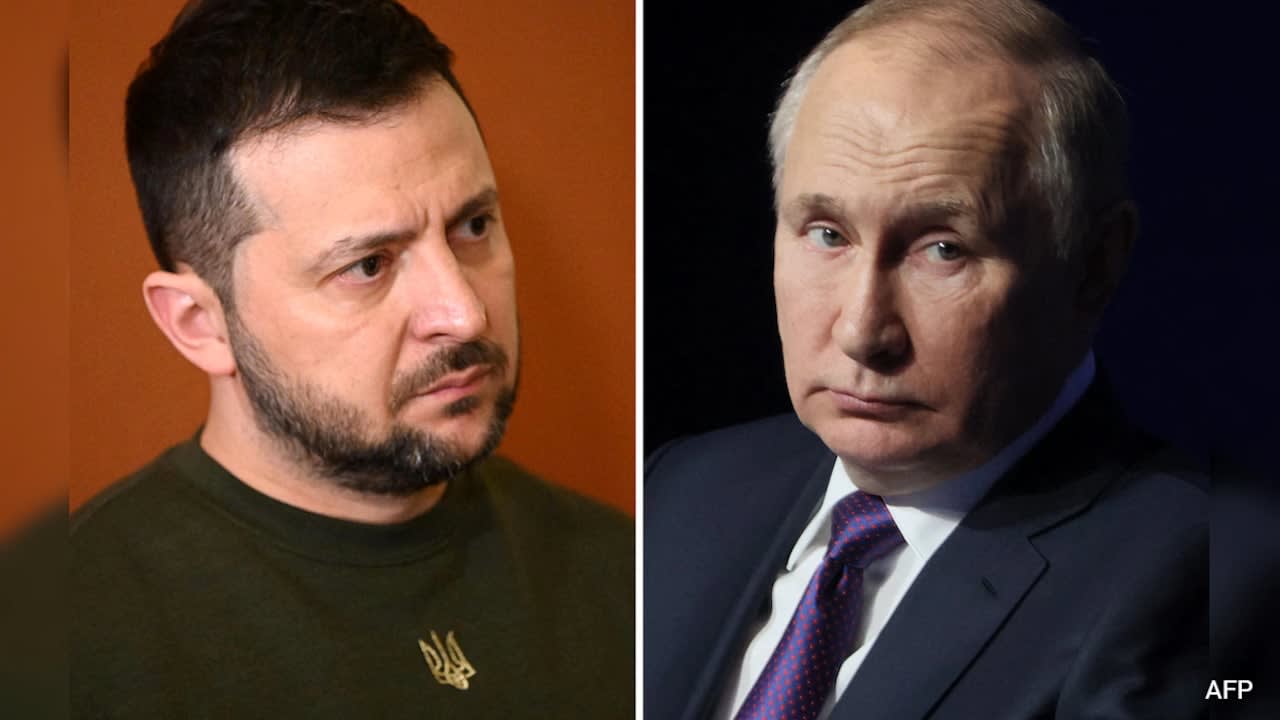
Tensions between Moscow and Kyiv have escalated as Russia conducts parliamentary elections amid ongoing conflict. While Putin accuses Ukraine of attempting to disrupt the voting process via drone strikes, Zelensky remains focused on bolstering Ukrainian air defenses against Russian Shahed drone attacks.
The Geopolitical Collision: Elections Amidst Conflict
The ongoing conflict between Russia and Ukraine has reached a new layer of friction as Russia holds parliamentary elections. President Vladimir Putin has formally accused Ukraine of interfering with the democratic process, alleging that Kyiv has utilized drone strikes to target areas intrinsically linked to the Russian voting infrastructure. This accusation marks a significant escalation in the war of narratives, as Moscow attempts to frame the electoral process as a sovereign act under siege.
The 'Pseudo Election' Narrative
Conversely, the Ukrainian government, led by President Volodymyr Zelensky, has dismissed the entire Russian electoral exercise as a "pseudo election." Kyiv contends that the results are predetermined and lack democratic legitimacy, serving merely as a tool for domestic consolidation rather than a genuine expression of public will. By labeling the process as such, Ukraine seeks to delegitimize the outcome on the international stage, positioning the vote as a hollow performance during a time of active belligerence.
The Strategic Role of Shahed Drones
While Moscow focuses on election security, Kyiv has pivoted its public messaging toward the tangible threat posed by Russian Shahed drones. President Zelensky has emphasized the urgent necessity of strengthening Ukraine’s air-defense capabilities to neutralize these persistent aerial strikes. This shift highlights a strategic divergence: while Russia claims victimhood regarding electoral interference, Ukraine frames its survival through the lens of technical and military endurance against Russian offensive capabilities.
The Intersection of Combat and Governance
This standoff illustrates the broader reality that the Russia-Ukraine war has eroded the traditional boundaries between civilian governance and military operation. When a state conducts an election while simultaneously engaging in high-intensity conflict, the act of voting itself becomes a theater of war. Russia’s claims of interference serve to paint their military aggression as a defensive necessity, while Ukraine’s focus on drone defense underscores the existential nature of the threat it faces daily.
Historical Context and Future Implications
Historically, electoral periods in nations involved in active conflict often become flashpoints for psychological warfare. By accusing Kyiv of disrupting the vote, Moscow may be attempting to cultivate a "rally 'round the flag" effect among the Russian populace. Looking forward, the persistence of these mutual accusations suggests that the information war will remain as critical as the kinetic war, with both sides utilizing every available platform—be it the ballot box or the drone strike—to secure legitimacy and survival in a protracted regional struggle.
Verification Required?