Russia’s secret weapon just destroyed Trump's last hope? Zircon & Iskander duo changes everything
Source Entity
Latest News: Today's Latest News Headlines from India & World | Hindustan Times | Hindustan Times
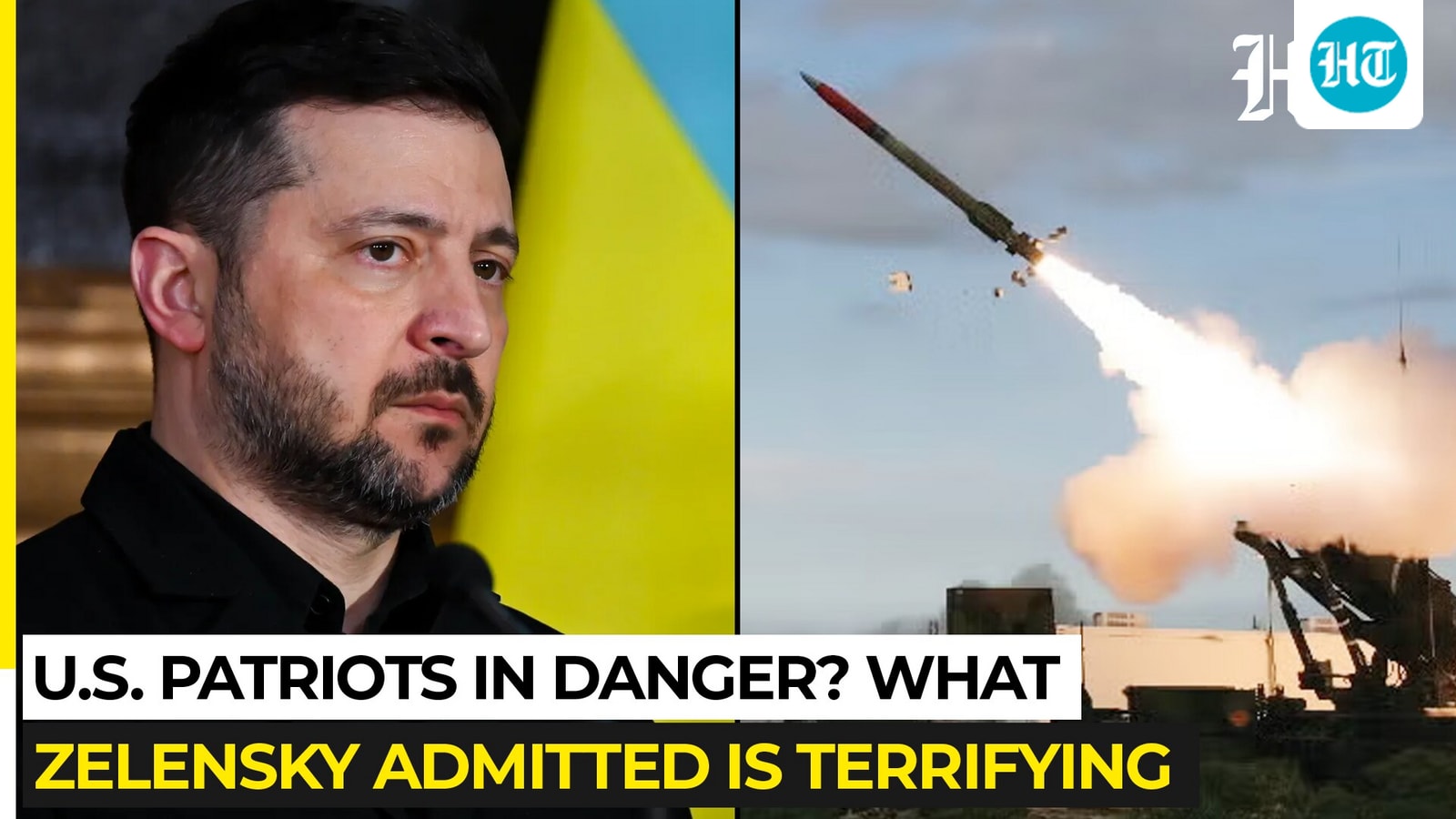
Ukraine is facing growing pressure as Russia intensifies missile attacks using Zircon hypersonic missiles and Iskander ballistic missiles, while Kyiv warns that a shortage of Patriot interceptor missiles is limiting its ability to defend against ballistic threats. Ukrainian officials say drones and cruise missiles are still being intercepted, but ballistic missiles remain increasingly difficult to stop. President Volodymyr Zelensky has renewed calls for more Patriot air defence systems, while Donald Trump has proposed granting Ukraine a licence to manufacture Patriot missiles in the future. Defence analysts say domestic production could strengthen Ukraine's long-term air defence but is unlikely to solve the immediate shortage of interceptor missiles as Russia continues its large-scale missile campaign.
The Escalation of Aerial Warfare: Russia's High-Velocity Offensive
Ukraine is currently facing a perilous shift in the kinetic landscape of the conflict as the Russian Federation intensifies its deployment of high-end missile systems. The strategic introduction of the Zircon hypersonic missile and the Iskander ballistic missile represents a significant escalation in the technical complexity of the threats facing Ukrainian airspace. While Ukraine has demonstrated remarkable resilience in intercepting slower-moving drones and cruise missiles, the sheer velocity and maneuverability of these ballistic and hypersonic threats are pushing the current air defense architecture to its absolute breaking point.
The Technical Threat: Zircon and Iskander
To understand the gravity of the situation, one must analyze the capabilities of the weaponry involved. The Iskander is a short-range ballistic missile known for its ability to evade traditional radar through erratic flight paths during its terminal phase. Even more concerning is the Zircon, a hypersonic cruise missile capable of traveling at speeds far exceeding Mach 5. These weapons are designed specifically to penetrate sophisticated air defense networks by reducing the reaction time available to operators and interceptors. The current reality on the ground is that while cruise missiles can be tracked and downed, the ballistic trajectory of the Iskander and the hypersonic speed of the Zircon create a 'detection-to-interception' window that is dangerously narrow.
The Patriot Interceptor Crisis
At the center of this crisis is a critical shortage of interceptor missiles for the Patriot air defense system. It is a common misconception that possessing the Patriot battery—the radar and launcher—is sufficient for protection. In reality, the system is only as effective as its stockpile of interceptors. Ukrainian officials have signaled that they are running low on the specific missiles required to counter ballistic threats. This creates a strategic vulnerability where the hardware is present, but the 'ammunition' is missing, leaving critical infrastructure and urban centers exposed to strikes that the current inventory simply cannot stop.
Geopolitical Friction: Immediate Needs vs. Long-term Licenses
This military desperation is playing out against a complex political backdrop involving both current Ukrainian leadership and potential future U.S. administration policies. President Volodymyr Zelensky has renewed urgent calls for immediate shipments of Patriot systems and interceptors to plug the gaps in the defense shield. Conversely, Donald Trump has proposed a paradigm shift: granting Ukraine a license to manufacture Patriot missiles domestically. While this proposal suggests a move toward Ukrainian self-reliance and a reduction in direct U.S. logistical burdens, it highlights a disconnect between political vision and military urgency. A license to manufacture is a strategic victory for the next decade, but it offers no protection against a Zircon missile striking tomorrow.
Strategic Implications for the Battlefield
The ability of Russia to maintain a large-scale missile campaign using these advanced assets forces Ukraine into a reactive posture. When air defenses are stretched thin, the military must make agonizing choices about which cities or military installations to protect, effectively granting Russia the ability to dictate the terms of the engagement. If Russia can consistently bypass the Patriot shield, the psychological impact on the civilian population and the operational capacity of the Ukrainian Armed Forces could be severely degraded, as high-value targets become increasingly vulnerable.
Future Trends in Defense Industrialization
Looking forward, this crisis underscores a global trend toward the 'localization' of defense production. The proposal for domestic Patriot manufacturing, regardless of its immediate utility, points to a future where frontline states must possess the industrial capacity to sustain their own high-tech defenses. We are likely to see an acceleration in technology transfers and the establishment of joint ventures between Western defense contractors and Eastern European nations. This shift is a direct response to the realization that global supply chains for precision munitions are too slow to keep pace with the attrition rates of modern, high-intensity peer-to-peer conflict.
Conclusion
In summary, the deployment of Zircon and Iskander missiles has created a critical vulnerability in Ukraine's defense strategy, exacerbated by a shortage of Patriot interceptors. While the political discourse has shifted toward long-term manufacturing licenses, the immediate operational reality remains dire. The outcome of this aerial war of attrition will depend on whether Ukraine can secure an immediate influx of interceptors to survive the current campaign while simultaneously building the industrial base necessary to sustain its sovereignty in the years to come.
Verification Required?