Inside Sabyasachi’s ‘museum of memories’ in Delhi: 120 chandeliers, 300 paintings and a love of the past
Source Entity
Rinku Ghosh
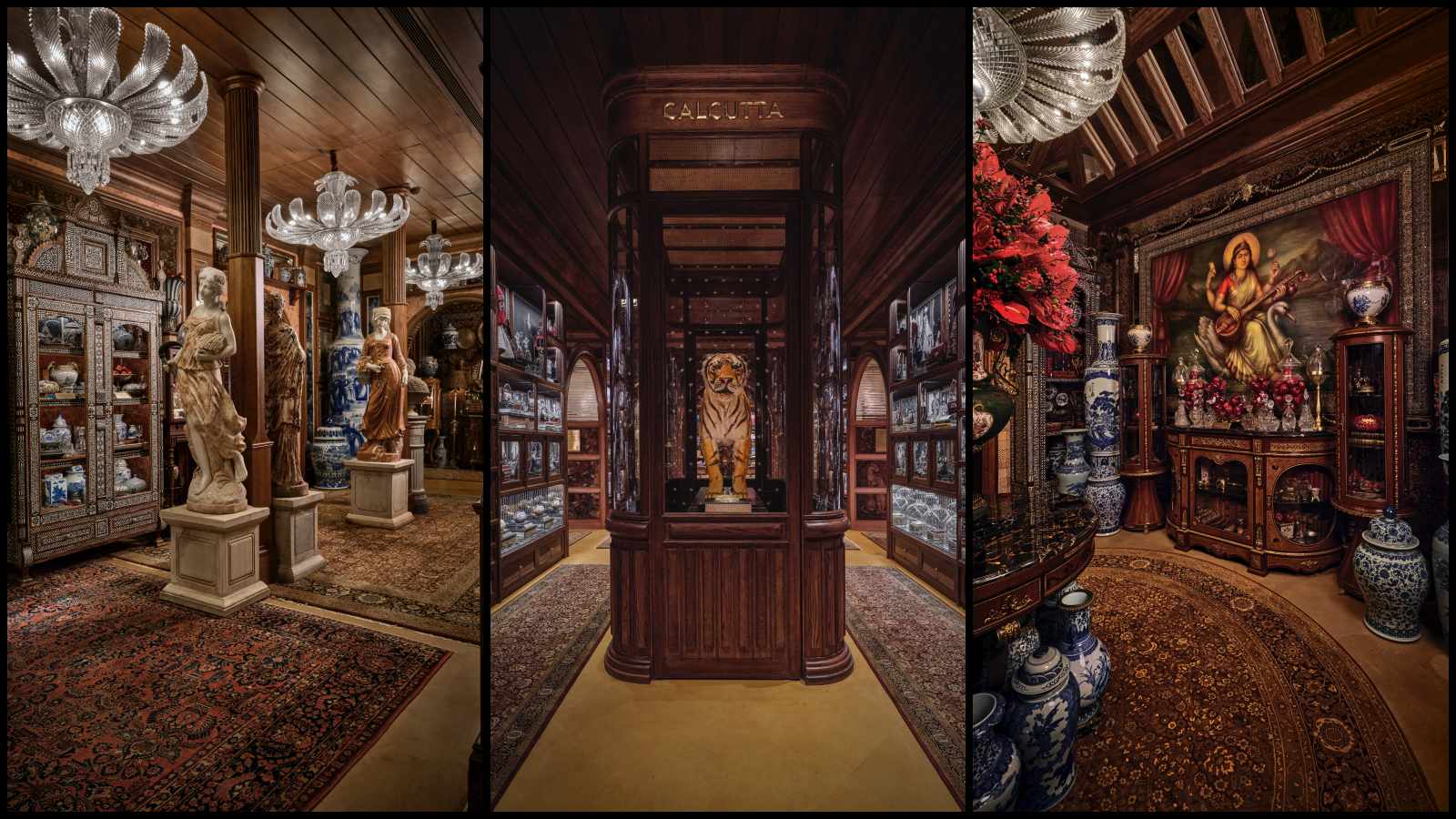
Renowned designer Sabyasachi Mukherjee has unveiled a meticulously curated space in Delhi that serves as a museum of memories. The collection evokes the cultural nostalgia of pre-modern Calcutta through an intricate display of vintage decor and personal artifacts.
A Journey Through Nostalgia: Sabyasachi’s Delhi Sanctuary
Designer Sabyasachi Mukherjee has unveiled a deeply personal and immersive space in Delhi, described as a 'museum of memories.' The installation serves as a testament to the designer's commitment to preserving cultural heritage, utilizing 120 chandeliers and 300 paintings to transport visitors into a bygone era of Indian aesthetics. By grounding the experience in the evocative lyrics of an Asha Bhonsle classic, Sabyasachi bridges the gap between auditory nostalgia and visual grandeur.
The Essence of Old Calcutta
The project is more than a display of luxury; it is a deliberate architectural and emotional homage to the city of Calcutta as it existed before its transformation into Kolkata. Sabyasachi emphasizes the 'way of life' that defined the region, focusing on the architectural remnants of grand mansions and the specific cultural atmosphere of the Chowringhee district. This focus on the past serves to challenge the fast-paced nature of modern retail, offering a slow, deliberate encounter with history.
Architectural Narratives and Cultural Cues
By incorporating elements such as Doric pillars, louvered windows, and the intimate setting of 'jalsaghars'—traditional music rooms in zamindar homes—the designer reconstructs a physical manifestation of Bengali heritage. The inclusion of porcelain figurines, crystals, and family portraits creates a domestic intimacy that feels both curated and lived-in, suggesting that luxury is deeply tied to personal lineage and regional storytelling.
Beyond Retail: The Museum Concept
Sabyasachi’s approach signals a shift in the luxury landscape, where brand identity is increasingly built on historical narrative rather than mere product placement. By treating guests to Makaibari tea and a curated playlist, the space functions as a multisensory experience. This strategic decision elevates the brand from a fashion house to a custodian of cultural memory, appealing to a demographic that values intellectual and emotional engagement with their surroundings.
Implications for Luxury Design
This project reflects a broader trend in high-end design where the 'museumification' of retail spaces becomes a primary tool for brand loyalty. By anchoring his aesthetic in the specific, narrow 'galis' and vaulted arches of the past, Sabyasachi creates a sense of authenticity that is difficult to replicate. This move effectively positions his work as a bridge between the historical grandeur of the zamindar era and the contemporary demand for experiential luxury.
Conclusion
Ultimately, Sabyasachi’s Delhi installation is a profound meditation on the act of remembering. By refusing to let the past 'fade away,' he has created a sanctuary that forces the modern visitor to pause and reflect. As the design world continues to evolve, this commitment to cultural specificity and historical preservation sets a high standard for how luxury brands can honor their roots while remaining relevant in the modern age.