How Sunil Joshi’s bat became Tendulkar's super willow
Source Entity
Latest News: Todays Latest News Headlines from India & World | Hindustan Times
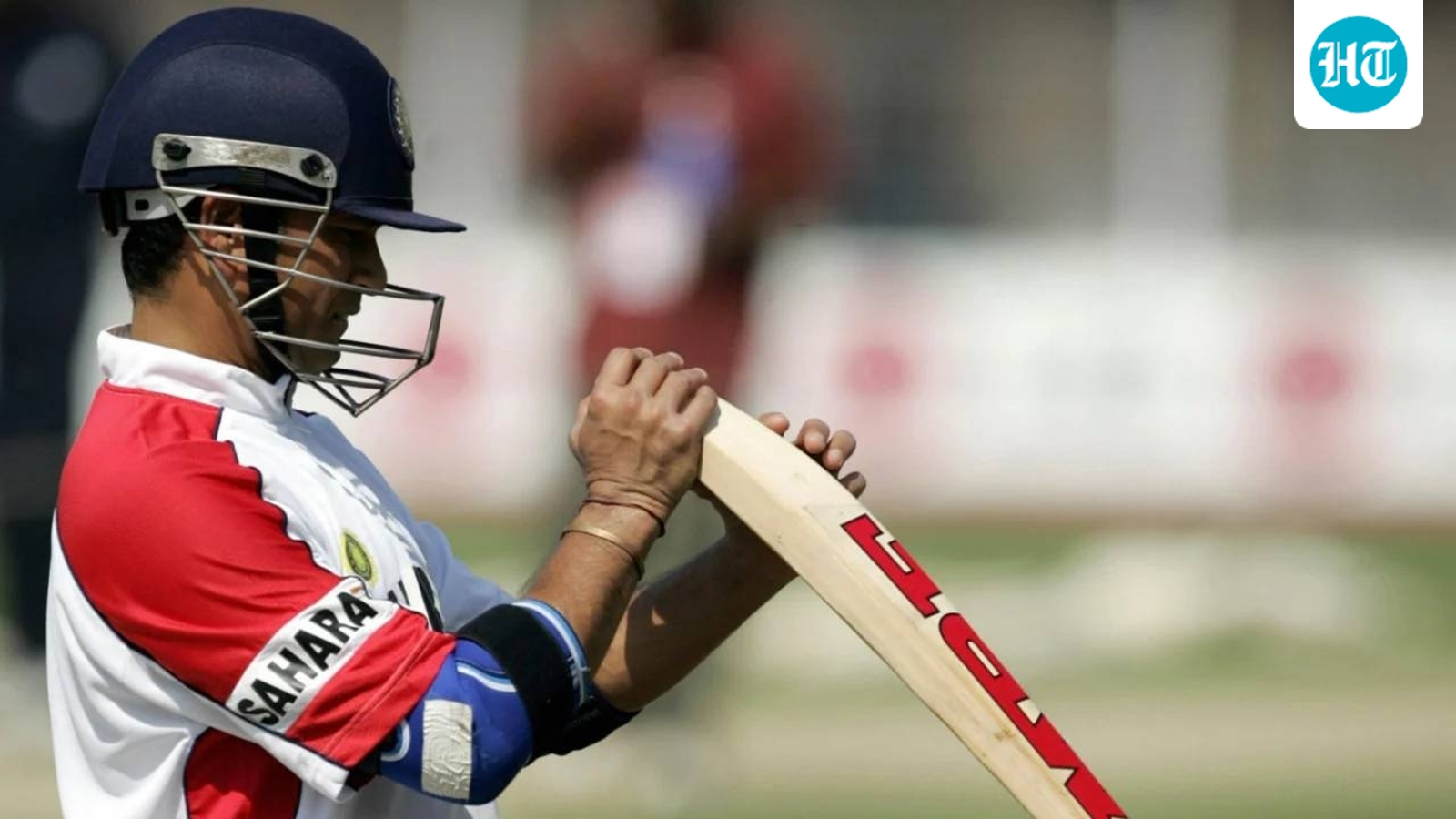
Sachin Tendulkar has donated 25 of his most significant cricket bats to the MCA Sharad Pawar Cricket Museum. Titled 'Batography,' the exhibit chronicles his 24-year career through the specific equipment he used from childhood to his final Test match.
The Legacy of the Willow: Sachin Tendulkar's 'Batography'
Sachin Tendulkar, often referred to as the 'God of Cricket' in India, has cemented his legacy not only through his staggering statistics but through the intimate connection he shared with his equipment. By donating 25 of his most prized bats to the Mumbai Cricket Association’s (MCA) Sharad Pawar Cricket Museum at Wankhede Stadium, Tendulkar has provided fans and historians with a tactile map of his 24-year professional journey. This collection, aptly titled 'Batography,' serves as a chronological narrative of his evolution from a young prodigy to a global sporting icon.
More Than Just Equipment
For Tendulkar, a cricket bat was never merely a tool of the trade. In his own words, he considered the bat an 'extension of his body,' emphasizing the profound emotional and physical bond he shared with the willow. This sentiment underscores why this donation is particularly significant; he is effectively sharing pieces of his personal history with the public. By entrusting these items to the MCA, he ensures that the physical remnants of his career are preserved in the very stadium where he played his final Test match.
A Chronological Journey
The 'Batography' exhibit is curated to reflect the stages of Tendulkar’s life. It begins with the humble Kashmir willow bat gifted to him by his sister, Savita, in 1978, when he was just five years old. This inclusion highlights the foundational role of his family in his early development. The collection then traces his trajectory through various international series and milestones, culminating in the final bat he used during his farewell Test against the West Indies at Wankhede in 2013.
Historical Significance of the Collection
Each bat in the collection acts as a chapter, documenting the changing technology of cricket equipment and the personal preferences of the batsman himself. From the weight and balance of the bats used in the 90s to those used in the latter stages of his career, the display offers a rare glimpse into how Tendulkar adapted his gear to suit the demands of the modern game. This provides researchers and enthusiasts with unique insights into the technical nuances that defined his longevity.
Cultural Impact and Preservation
The decision to house these artifacts at the Wankhede Stadium—a venue synonymous with Tendulkar’s career—adds a layer of historical sanctity to the display. As cricket memorabilia becomes increasingly valuable, the preservation of these specific bats serves to anchor the sport's history within the public consciousness. It transforms a museum space into a site of pilgrimage for cricket lovers, ensuring that the stories behind his centuries and match-winning performances remain accessible to future generations.
Future Implications for Sports Heritage
This gesture sets a high standard for how legendary athletes can contribute to the preservation of sports heritage. By curating his own 'Batography,' Tendulkar has moved beyond simple donation, opting for a narrative-driven approach that educates the public on the discipline and sentiment required to perform at the highest level. Future trends in sports museums will likely follow this model, where the focus shifts from mass-produced trophies to personal, story-rich artifacts that define the spirit of the game.
Multiple Citing Sources
Verification Required?