Sadhguru on Diwali 2026: Why lighting diyas is not enough to overcome your inner darkness
Source Entity
Latest News: Todays Latest News Headlines from India & World | Hindustan Times
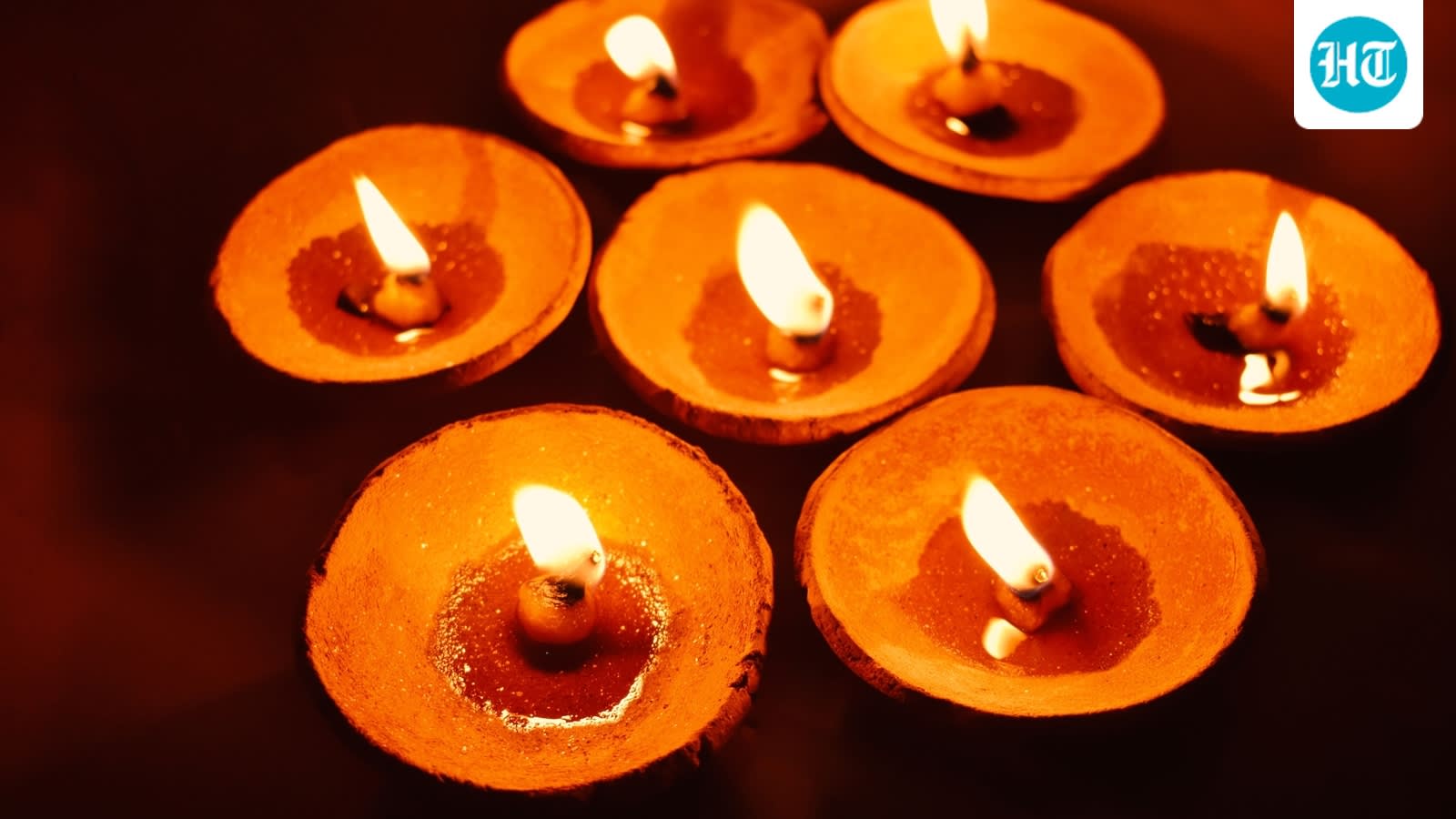
Sadhguru emphasizes that Diwali is more than just external celebration, urging individuals to use the festival as a catalyst for inner transformation. He posits that true light comes from cultivating awareness and overcoming internal negativity rather than merely lighting lamps.
The Inner Light: Sadhguru on the True Essence of Diwali
As the festival of Deepavali approaches in 2026, spiritual teacher Sadhguru has issued a profound reminder that the celebration transcends its traditional outward expressions. While millions globally prepare their homes with diyas, rangolis, and festive gatherings, Sadhguru posits that these rituals are merely symbolic manifestations of a much deeper, internal requirement: the conquest of one's own inner darkness.
Moving Beyond Ritualistic Celebration
For many, Diwali is synonymous with social connectivity and the aesthetic beauty of lights. However, the teaching provided by the Isha Foundation on November 3, 2026, challenges this superficial engagement. Sadhguru argues that lighting lamps outside the home is incomplete if the internal landscape of the individual remains cluttered with negativity and unawareness. He suggests that the festival serves as a cultural and spiritual reminder to audit one's own consciousness.
The Anatomy of Inner Darkness
Sadhguru defines the 'inner darkness' not as a moral failing, but as a lack of awareness regarding one's own nature. By failing to look within, individuals often find themselves trapped in cycles of reaction and emotional volatility. The teaching emphasizes that the external light of the diya is meant to be a beacon for the seeker to turn their attention inward, identifying the psychological barriers that prevent a naturally joyful state of being.
Historical and Cultural Significance
Diwali, rooted in ancient Vedic traditions, has always been tied to the concept of 'tamas' (darkness) versus 'jyoti' (light). When contextualized with events like Dhanteras, the festival is viewed by Vedic astrologers as a period of peak cosmic energy. Sadhguru’s perspective aligns with this historical trajectory by suggesting that this specific window of time is uniquely suited for spiritual introspection, allowing practitioners to leverage the festive atmosphere to reset their mental and spiritual priorities.
Implications for Modern Life
In a fast-paced, modern world, the disconnect between external festive joy and internal mental health is increasingly prevalent. Sadhguru’s message serves as a bridge, suggesting that the 'joyful life' is not a product of external circumstances but a byproduct of inner clarity. By advocating for a shift from external display to internal cultivation, he provides a framework for individuals to navigate personal challenges with greater resilience.
Conclusion: A Call to Transformation
Ultimately, the message is one of responsibility. Sadhguru concludes that the true celebration of Diwali is an active process of self-correction and enlightenment. As we move through the 2026 festive season, the call is to ensure that the light we kindle serves as a reminder to ignite the dormant potential within, transforming the festival from a yearly tradition into a daily practice of clarity and awareness.
Verification Required?