Safari introduces Adaptive Dark Mode in 27.3
Source Entity
Hacker News
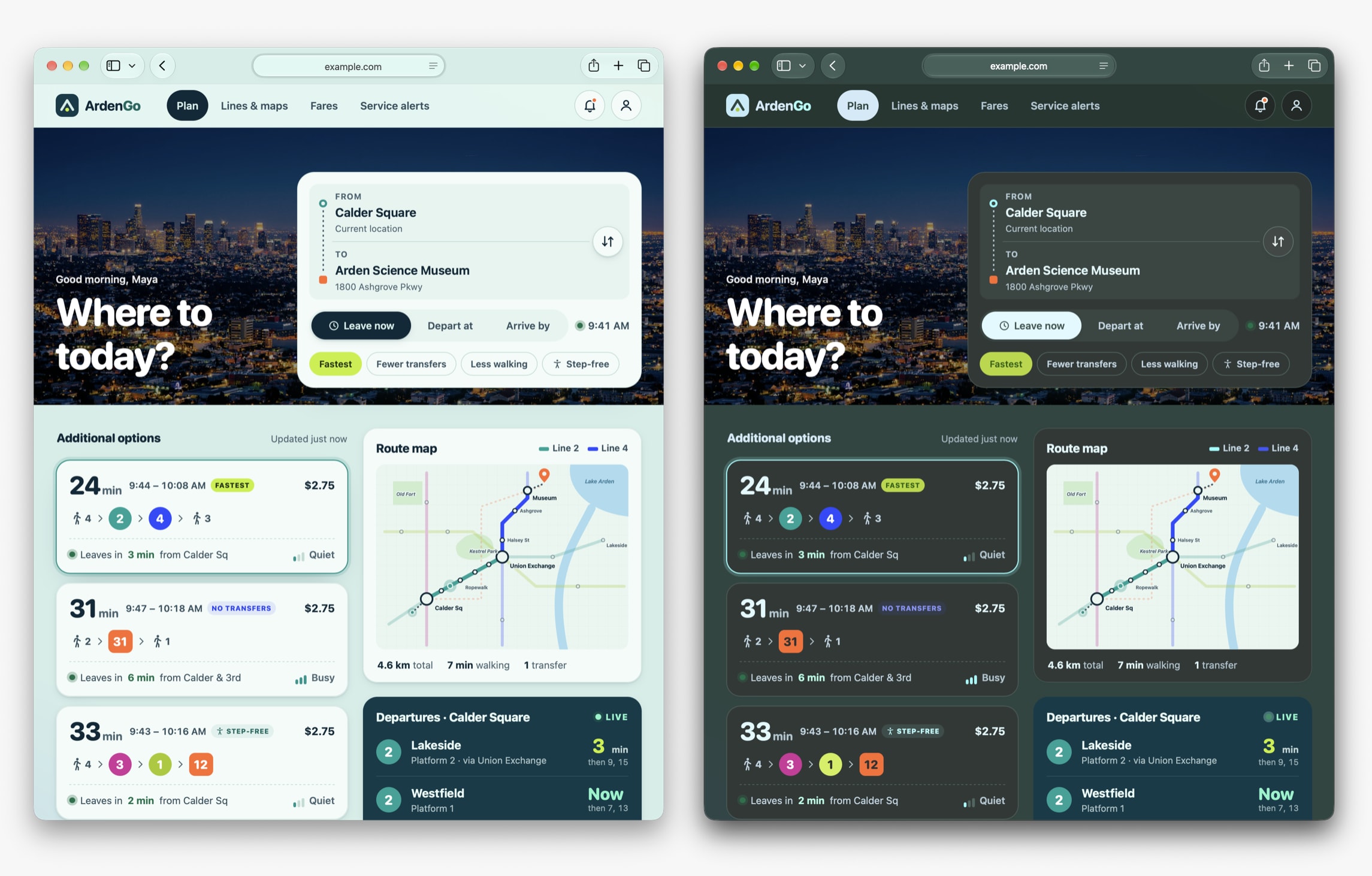
Safari 27.3 beta introduces Adaptive Dark Mode to automatically convert light websites into dark versions. This feature aims to bridge the gap between user preference and limited developer support for dark interfaces.
The Evolution of Interface Customization: Safari's Adaptive Dark Mode
Apple’s announcement of Adaptive Dark Mode within the Safari 27.3 beta marks a significant milestone in browser-based user experience design. By allowing the browser to programmatically adjust the color palette of websites that lack native dark mode support, Apple is addressing a persistent pain point for users who prioritize eye comfort and aesthetic consistency. This development represents a shift from passive browsing to an active, browser-led interface management system.
Bridging the Design Disparity
The necessity for this feature is underscored by a striking data gap: while nearly 40% of web page loads are initiated by users already utilizing dark mode on their operating systems, only 10% of those pages actually offer a native dark theme. This discrepancy creates a jarring experience where users are frequently subjected to high-contrast, bright backgrounds that negate the benefits of their system-wide settings. Adaptive Dark Mode acts as a bridge, ensuring that the user's preference for a darker interface is respected regardless of the website's original design specifications.
A Historical Perspective on Web Dark Mode
To understand the significance of this update, one must look back to the spring of 2019, when Safari 12.1 pioneered official support for dark mode on the web. At that time, it was a nascent feature that relied heavily on developers manually implementing CSS media queries to trigger color changes. While this set the standard for modern web development, it also placed the burden of implementation entirely on the content creators, many of whom have been slow to adopt these standards for legacy sites or smaller projects.
Technical Implementation and User Control
The implementation of Adaptive Dark Mode in Safari 27.3 is designed for seamless integration. By syncing with the user's system appearance settings, the browser automates the transition for bright websites. This feature is currently positioned within the beta channel, allowing for refinement based on real-world rendering scenarios. By offering a preview mechanism before full application, Apple is prioritizing user agency, ensuring that the automated conversion does not compromise the readability or intended design of the web content.
Future Trends in Browser Personalization
Looking ahead, this move suggests a broader trend where browsers will take an increasingly active role in 're-rendering' the web to suit personal accessibility needs. As users demand more control over their digital environment, we can expect browsers to move beyond simple content rendering to intelligent UI modification. This will likely push developers to adopt more flexible design systems, as the browser will now be capable of overriding static site designs to satisfy user configuration preferences.
Conclusion
The introduction of Adaptive Dark Mode in Safari 27.3 is more than a quality-of-life update; it is a fundamental shift in how browsers handle the presentation of digital content. By solving the 30% gap between user demand and site availability, Apple is setting a new expectation for web accessibility. As this feature moves out of beta, it will likely become an industry standard, forcing a re-evaluation of how web design is conceptualized in the modern era.