Severe safety lapses at Chandigarh’s Sukhna Lake, finds audit
Source Entity
Hina Rohtaki
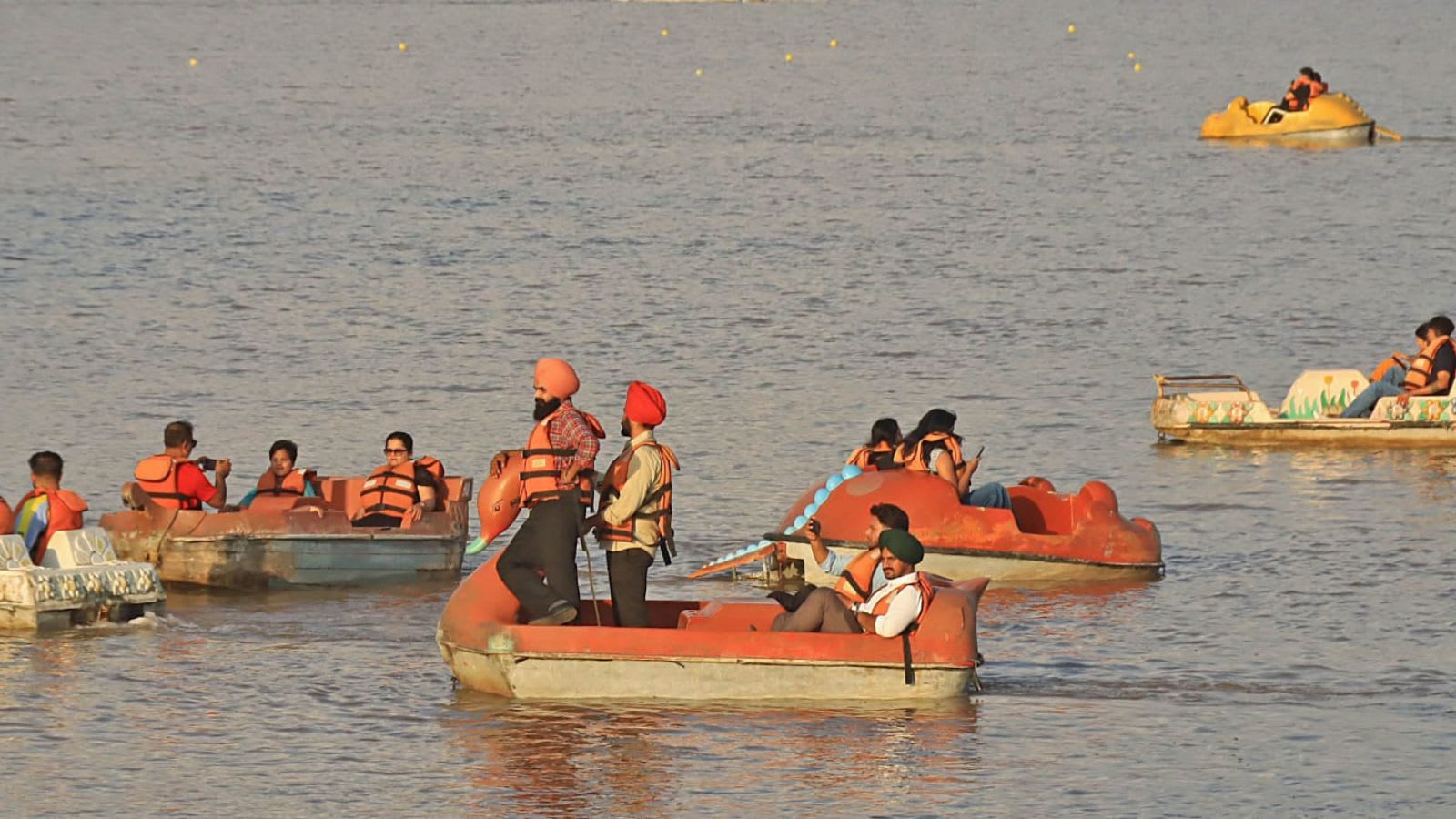
A recent audit of Chandigarh's Sukhna Lake has revealed severe safety lapses regarding boating operations. Investigators found a significant shortage of life jackets, with less than half the required number available for the lake's 145 boats.
Safety Crisis at Sukhna Lake: An Audit Breakdown
Recent revelations concerning the management of Sukhna Lake in Chandigarh have brought to light a systemic failure in public safety oversight. An inspection report, conducted by the Director General of Audit, Delhi, and obtained by activist R K Garg, highlights a "casual and lackadaisical" attitude toward the most fundamental safety protocols required for water-based tourism. For a destination that serves as a primary recreational hub for the city, these findings suggest a profound disconnect between operational responsibilities and the duty of care owed to visitors.
The Numbers: A Stark Mismatch
The mathematical reality presented in the compliance audit is alarming. With a fleet of 145 boats currently operating at the lake, the required inventory of life jackets should stand at 488 units to ensure full coverage for all passengers. However, the audit revealed that only 225 life jackets were available—a deficit that leaves a significant portion of visitors entirely unprotected in the event of an emergency. This gap is not merely a clerical error; it represents a direct compromise of safety standards that puts the public at unnecessary risk.
Institutional Negligence and Oversight
The audit focused specifically on the Chandigarh Industrial and Tourism Development Corporation (CITCO) for the period spanning 2021-2022 to 2023-2024. The language used in the report, characterizing the management's approach as "lackadaisical," points to a broader institutional failure. When state-run tourism entities fail to maintain basic safety equipment, it raises questions about the prioritization of maintenance schedules, procurement processes, and the overall administrative culture governing public spaces.
Broader Implications for Water Tourism
Sukhna Lake is an iconic landmark, and the failure to provide adequate safety gear could have devastating consequences for the reputation of Chandigarh’s tourism sector. Beyond the immediate risk of accidents, this incident serves as a case study for the necessity of rigorous, third-party compliance audits in public facilities. The lack of adherence to safety specifications—ranging from the purchase of quality equipment to the routine maintenance of existing stock—suggests that safety may have been treated as a peripheral concern rather than a central tenet of the corporation's operational mandate.
Future Trends and Necessary Rectification
Moving forward, the findings of the Director General of Audit will likely force a major overhaul of CITCO’s procurement and safety compliance protocols. To restore public trust, the administration must move beyond corrective measures—such as immediate procurement—and implement a transparent, digitized inventory system that alerts authorities to shortages in real-time. The Sukhna Lake incident underscores that safety in public tourism is not a static requirement but a dynamic process that demands constant vigilance and strict adherence to established safety standards.