Sai Pallavi on living with acne and rosacea: ‘When people accepted me…’
Source Entity
The Indian Express
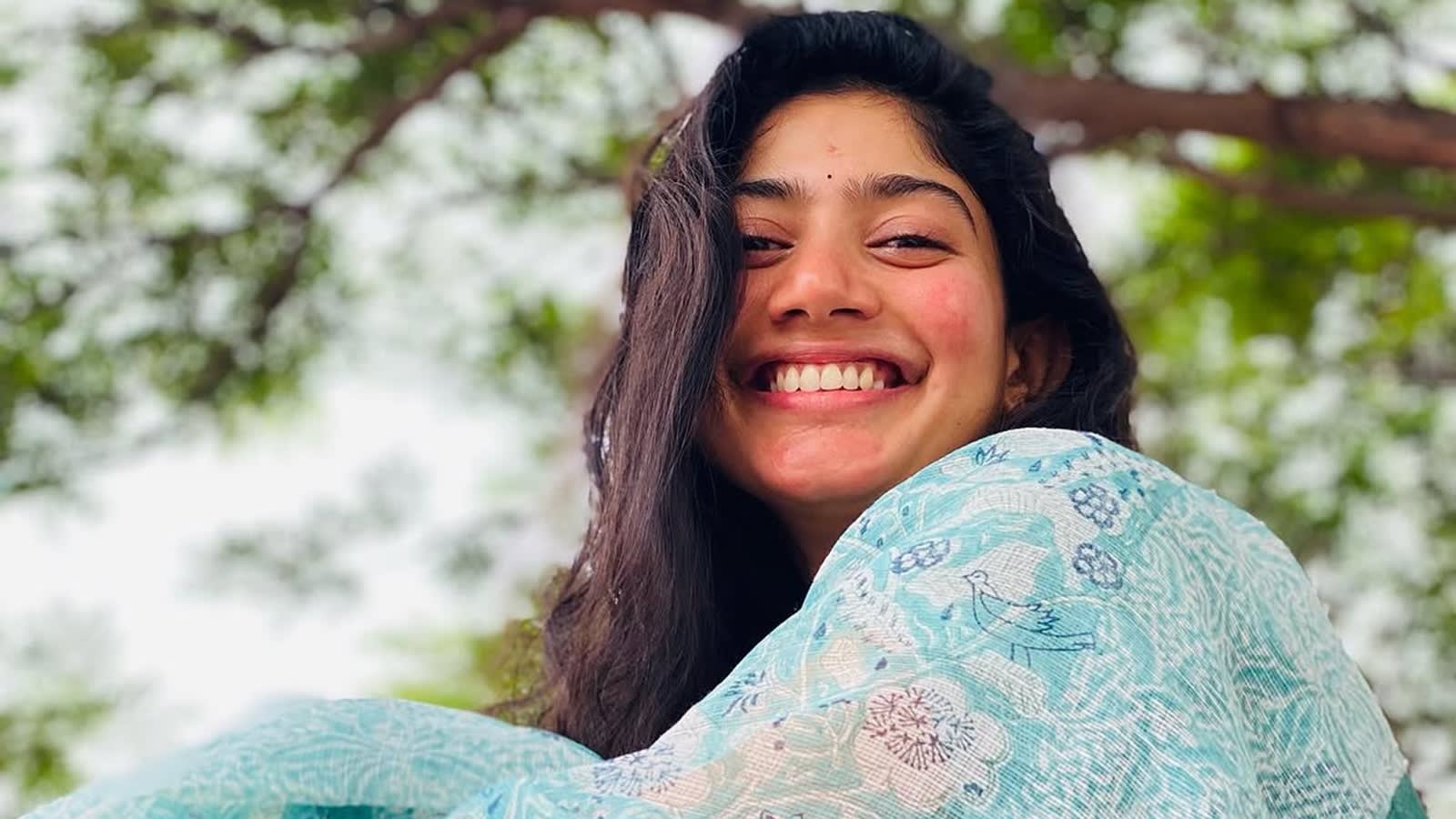
Actor Sai Pallavi is being celebrated for embracing her natural skin, including acne and rosacea, in an industry often defined by rigid beauty standards. Her transparency highlights the psychological impact of skin conditions and the importance of self-acceptance in the public eye.
Redefining Beauty: The Impact of Sai Pallavi’s Transparency
In an entertainment industry that has long been defined by the pursuit of airbrushed perfection and the concealment of natural skin texture, actor Sai Pallavi stands out as a transformative figure. Known for her iconic no-makeup look in both her professional film roles and personal life, she has challenged the status quo by refusing to hide her struggle with acne and rosacea. By normalizing these common skin conditions, she has shifted the conversation from aesthetic perfection to genuine self-acceptance.
The Intersection of Confidence and Identity
Sai Pallavi’s candid admission—that the public's acceptance of her natural appearance served as a catalyst for her own self-confidence—highlights a profound shift in modern celebrity culture. For many, skin conditions such as rosacea can be a source of significant social anxiety, especially under the intense scrutiny of high-definition cameras. Her journey suggests that when public figures choose authenticity, it creates a ripple effect, granting audiences permission to view their own perceived 'flaws' with greater compassion.
The Psychodermatology Connection
Beyond the social narrative, there is a legitimate medical perspective to consider regarding the relationship between skin health and internal well-being. Dr. Mikki Singh, founder and medical director of Bodycraft Clinics, notes that there is a scientifically backed connection between emotions and skin health. This discipline, known as psychodermatology, acknowledges that chronic skin issues can be exacerbated by stress, while simultaneously impacting a person's mental health. Pallavi’s vocal stance acts as a form of psychological relief, potentially reducing the stress-induced flares often associated with skin conditions.
Challenging Industry Standards
Historically, the Indian film industry has relied on heavy makeup and lighting techniques to project an unattainable standard of beauty. Pallavi’s refusal to conform to these norms is a radical act of defiance. By showcasing her natural skin, she effectively dismantles the idea that a performer's value is tied to their physical flawlessness. This approach not only impacts how fans perceive beauty but also influences casting and production trends that are beginning to lean toward more realistic portrayals of human characters.
Future Trends in Representation
As audiences continue to demand more authenticity from the media they consume, the influence of figures like Sai Pallavi is likely to grow. The future of the entertainment sector may involve a move away from hyper-edited imagery toward a 'real-skin' movement. This trend is not merely a social preference but a move toward inclusivity that acknowledges the biological reality of skin, including the prevalence of conditions like rosacea which affect millions globally.
Conclusion: A Legacy of Authenticity
Ultimately, Sai Pallavi’s influence transcends her filmography. By linking her personal growth to the public's acceptance, she has turned her own skin journey into a powerful advocacy tool. Her story serves as a reminder that confidence is not the absence of imperfections, but the ability to exist authentically despite them. As she continues to champion this message, she paves the way for a more inclusive and psychologically healthy standard of beauty in the global entertainment landscape.