Sajjan Kumar, the rise and fall of a Congress strongman convicted in anti-Sikh riots
Source Entity
Asad Rehman
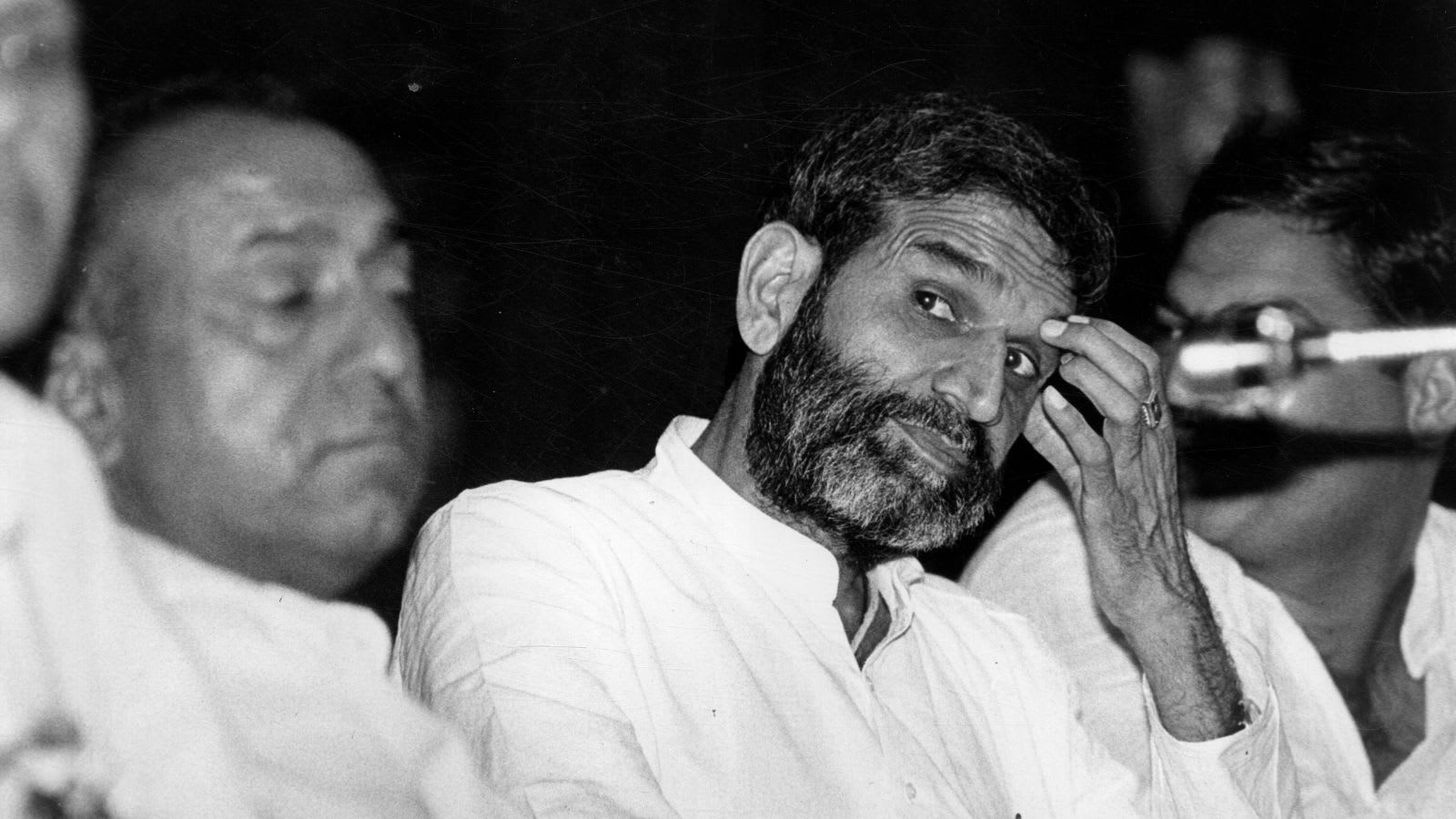
Former Congress MP and 1984 anti-Sikh riots convict Sajjan Kumar has died while serving a life sentence in Tihar Jail. His passing marks the end of a controversial political career that spanned from his rise as a Delhi strongman to his eventual conviction for his role in the communal violence.
The Death of a Political Figure: Sajjan Kumar
Sajjan Kumar, a former three-time Lok Sabha Member of Parliament and a prominent figure in the Delhi Congress, has passed away while serving a life sentence in Tihar Jail. His death brings to a close a long-standing and deeply contentious chapter in Indian political history, marked by his conviction for his role in the 1984 anti-Sikh riots, which erupted following the assassination of former Prime Minister Indira Gandhi.
A Rise Through the Ranks
Before his political ascent, Sajjan Kumar was a bakery owner, a humble beginning that contrasted sharply with the influence he would later wield. He emerged as a significant political player in the late 1970s, establishing himself as a close confidant of Sanjay Gandhi. His career trajectory accelerated after being elected as a councillor in 1977, setting the stage for his dominance within the Delhi unit of the Congress party.
Political Influence and Electoral Success
Kumar’s influence was particularly concentrated in outer Delhi, a region where he maintained a robust political base for decades. His electoral success was notable, securing a seat in the Lok Sabha in 1980, 1991, and 2004. As a senior leader within the Delhi Congress, he was widely regarded as a 'strongman'—a term reflecting his ability to mobilize voters and manage local party machinery during a transformative era in national politics.
The 1984 Riots and Legal Downfall
Despite his electoral longevity, Kumar’s legacy is inextricably linked to the 1984 anti-Sikh riots. The violence that consumed the national capital following the assassination of Prime Minister Indira Gandhi left a permanent scar on the nation's social fabric. After years of legal battles, Kumar was eventually held accountable for his involvement in the violence, leading to his conviction and subsequent life imprisonment.
Resignation and Imprisonment
In December 2018, following his conviction by the courts, Kumar formally resigned from the Congress party. This marked the final act of his political life, transitioning from a powerful representative of the people to an inmate in Tihar Jail. His incarceration served as a symbol of the long-delayed justice sought by the victims of the 1984 riots, highlighting the enduring nature of legal accountability in India.
A Complex Legacy
The death of Sajjan Kumar serves as a stark reminder of the intersection between political power and communal violence. His life, characterized by a meteoric rise and a profound fall from grace, illustrates the volatile nature of Indian politics. While his supporters might recall his administrative influence in outer Delhi, his broader historical legacy remains defined by the tragic events of 1984 and the ultimate triumph of the judicial process over political influence.
Multiple Citing Sources