Tradition vs slaughter: Bajrang Dal casts a shadow at a tribal sacred grove in Odisha
Source Entity
Sujit Bisoyi
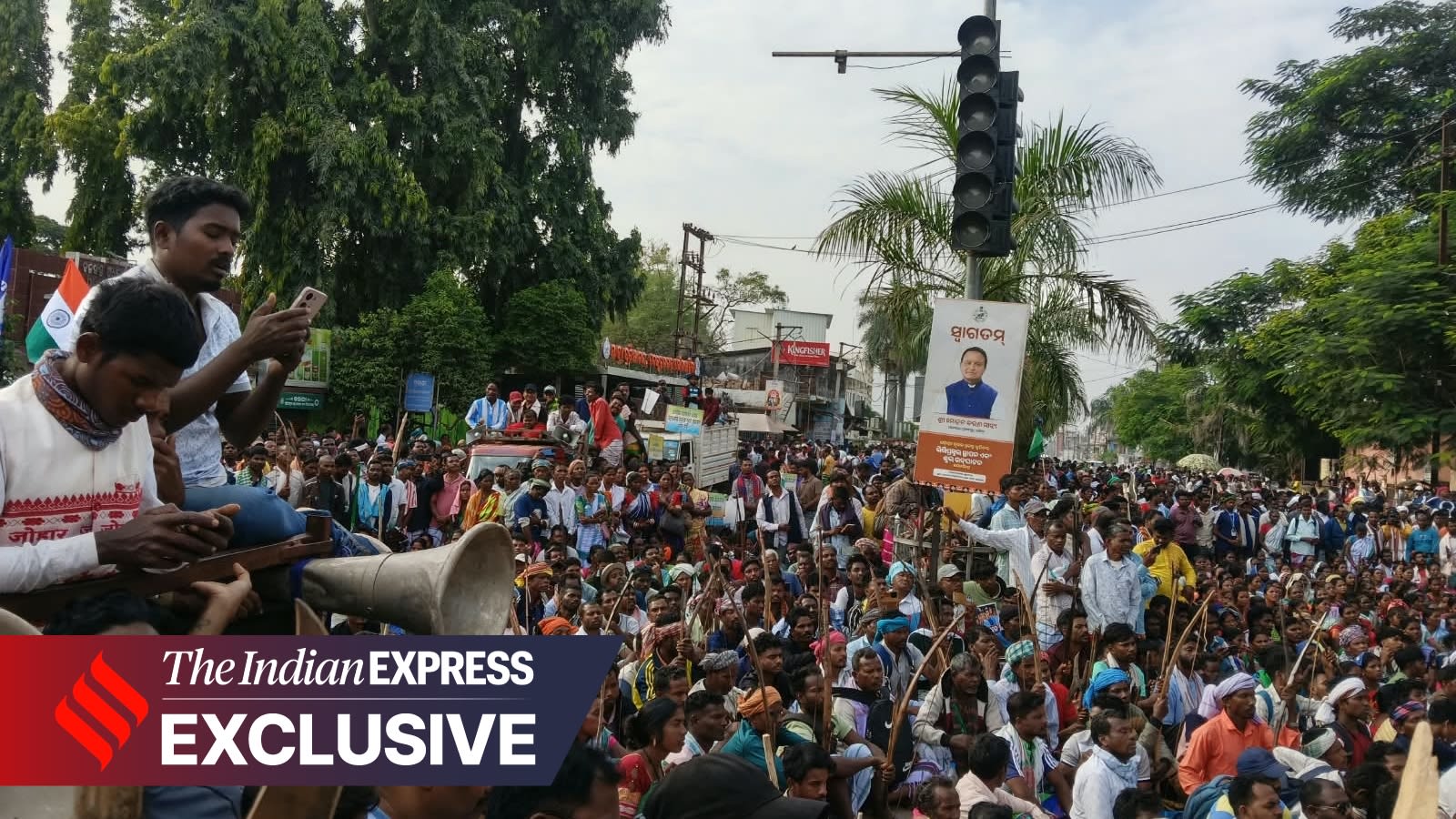
The Santhal tribe in Odisha is facing cultural friction after the Bajrang Dal allegedly vandalized their sacred 'Jaher Than' grove during a traditional ritual. The incident has ignited tensions regarding tribal identity versus right-wing ideological enforcement in the region.
The Clash of Traditions in Keonjhar: An Overview
The recent incident in Basantpura, Odisha, marks a significant flashpoint between the ancestral customs of the Santhal tribe and the ideological enforcement of the Bajrang Dal. For generations, the Santhal community has performed a specific puja involving the sacrifice of a cow at their sacred grove, the 'Jaher Than,' a practice held every four to five years. The recent intervention by the Bajrang Dal, which resulted in the alleged vandalism of this sacred site, has transformed a private communal ritual into a public struggle for cultural autonomy.
The Sanctity of the 'Jaher Than'
The 'Jaher Than' is not merely a physical location for the Santhal people; it is the epicenter of their spiritual and social identity. As described by local community member Suresh Kumar Tudu, the desecration of this site was felt as a direct assault on the tribe's heritage. In tribal belief systems, these groves are protected spaces where traditional rites are performed to maintain harmony with nature and ancestors. By forcefully entering this space, the Bajrang Dal has disrupted a centuries-old continuity, leading to profound psychological and social distress within the village of Basantpura.
Political Pressure and Institutional Challenges
The situation has been further complicated by the political landscape in Odisha. Following the act of vandalism, reports indicate that the Vishva Hindu Parishad (VHP) has been exerting pressure on the ruling BJP government to drop any legal or administrative action against its affiliate, the Bajrang Dal. This dynamic reveals a complex tension where political affiliations threaten to supersede the protection of minority cultural rights, leaving the tribal community in a state of trepidation regarding their future legal recourse.
The Broader Implications for Tribal Rights
This incident highlights a growing trend of cultural friction in regions where indigenous traditions intersect with broader, more uniform ideological movements. The Santhal community's struggle is emblematic of a larger national conversation regarding the protection of indigenous religious practices against external groups that seek to impose their own cultural standards. When traditional rites are labeled as violations by external actors, it creates an atmosphere of exclusion that threatens the pluralistic fabric of the region.
Future Trends and Social Cohesion
Looking forward, the case in Keonjhar serves as a litmus test for how state authorities balance the rights of tribal communities against the influence of powerful political affiliates. If the pressure from groups like the VHP succeeds in shielding the perpetrators from accountability, it may embolden future interventions, potentially leading to further social fragmentation. Conversely, a firm stance by the administration to uphold tribal rights could serve as a precedent for protecting cultural diversity, ensuring that sacred traditions remain inviolable, regardless of outside ideological shifts.