Express Exclusive with ‘Satluj’ director: ‘Khalra being abducted again’
Source Entity
Jaspreet Singh
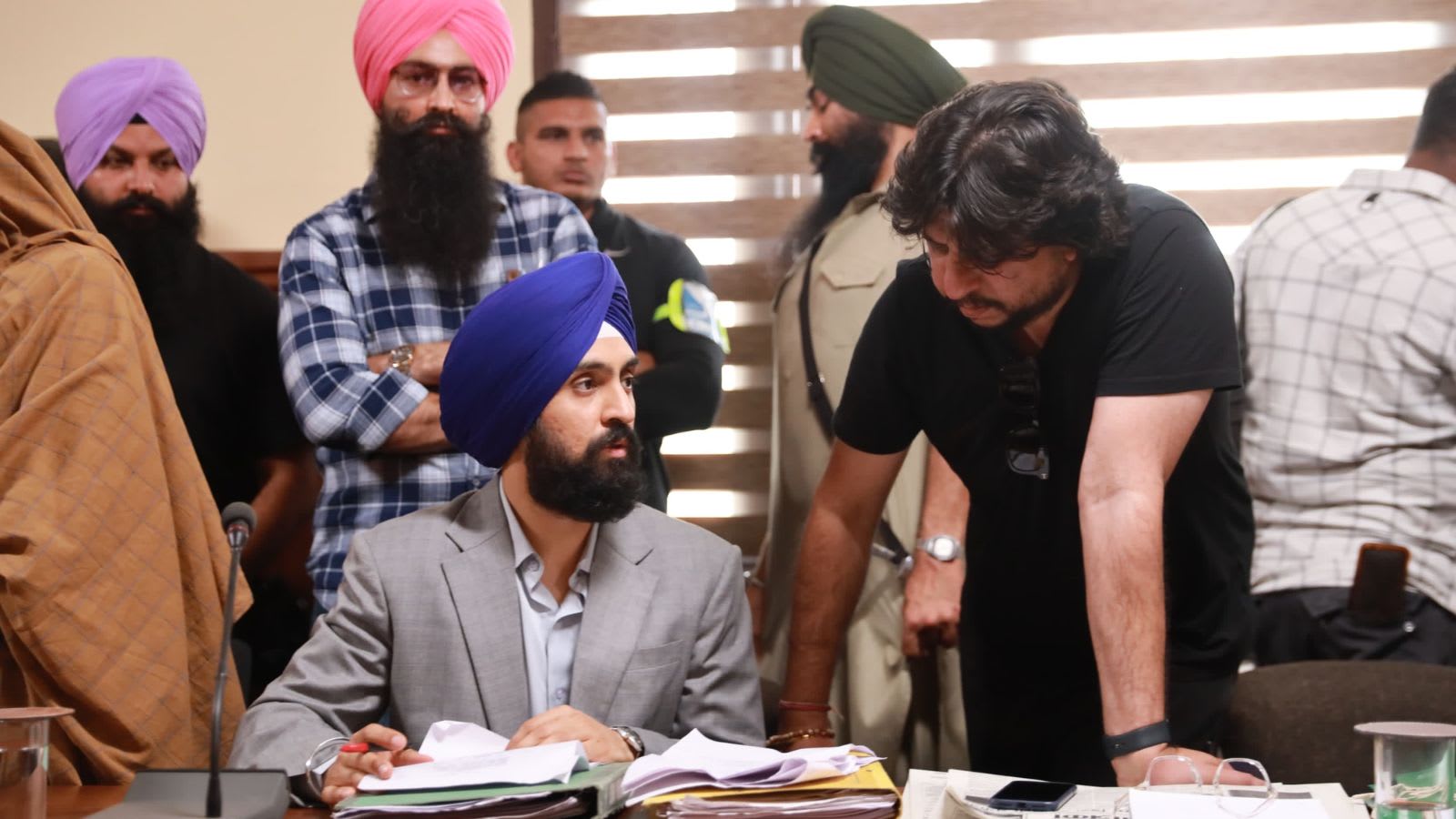
The film 'Satluj', starring Diljit Dosanjh and based on the life of human rights activist Jaswant Singh Khalra, has become a flashpoint for controversy following a prolonged censorship battle, a quiet OTT launch, and a subsequent abrupt removal from the platform.
The Erasure of History: Analyzing the Controversy Surrounding 'Satluj'
The announcement and subsequent struggle of the film Satluj, starring the globally recognized artist Diljit Dosanjh, marks a significant intersection between cinematic art and political sensitivity in India. Based on the life of Jaswant Singh Khalra, a human rights activist who courageously uncovered the truth about thousands of undocumented disappearances and mass graves in Punjab during the 1990s, the film is not merely a biographical piece but a confrontation with a traumatic historical period. The current turmoil surrounding its release suggests that the narrative remains too volatile for mainstream consumption, triggering a reaction from regulatory and political bodies.
The Weight of the Subject: Who was Jaswant Singh Khalra?
To understand why Satluj is facing such severe resistance, one must understand the legacy of Jaswant Singh Khalra. Khalra was a pivotal figure in documenting state-sponsored excesses during the Punjab insurgency. His work in identifying the dead and providing closure to thousands of families made him a target, eventually leading to his own abduction and murder in 1995. By centering a high-profile film around Khalra, the production attempts to bring a suppressed chapter of history back into the public consciousness. The choice of Diljit Dosanjh—a figure with immense cultural capital among the Punjabi diaspora—amplifies the film's potential reach, which likely contributes to the intensity of the censorship efforts.
A Pattern of Suppression: Censorship and OTT Takedowns
The trajectory of Satluj—moving from a grueling censorship battle to a 'silent' OTT release and finally an abrupt takedown—reflects a broader trend of algorithmic and administrative curation of history. When a film bypasses traditional theatrical releases for a quiet digital debut, it often indicates an attempt to minimize public friction. However, the sudden removal of the content suggests that even a limited digital presence was deemed unacceptable by those controlling the narrative. This 'disappearing act' mirrors the very subject of the film: the forced disappearances of individuals during the militancy era, creating a poetic but tragic irony where the art depicting the erasure is itself erased.
Analyzing the Director's Claim: 'Abducted Again'
The director's poignant statement that "Khalra is being abducted again" serves as a powerful metaphor for systemic censorship. This claim posits that while the physical person of Jaswant Singh Khalra was removed in 1995, the removal of his story from contemporary media constitutes a secondary abduction—a conceptual erasure of his existence and his contributions to human rights. This suggests that the battle over Satluj is not just about a movie's runtime or specific scenes, but about who owns the historical memory of Punjab and whether certain truths are allowed to exist in the public square.
Broader Implications for Artistic Freedom
The case of Satluj highlights the precarious nature of political cinema in the current climate. When biographical films based on activists are suppressed, it sends a chilling message to other filmmakers regarding the 'red lines' of historical storytelling. The shift from state censorship boards to the opaque terms of service of OTT platforms has created a new landscape where content can vanish without a formal public explanation, making it harder for creators to challenge the reasons behind the suppression. This creates a vacuum where only state-sanctioned versions of history are permitted to circulate.
Conclusion: The Future of Memory and Media
In conclusion, the controversy surrounding Satluj is a stark reminder that cinema is often the final battleground for historical truth. As the film remains in a state of limbo, the discourse it has sparked regarding Jaswant Singh Khalra's legacy continues to grow. The struggle for the film's release underscores a fundamental tension between the desire for national stability through the suppression of painful memories and the democratic necessity of acknowledging past wrongs to ensure they are not repeated. The fate of Satluj will likely serve as a benchmark for how human rights narratives are handled in Indian cinema moving forward.