Satya Niketan building crash : MCD conducts survey of PGs, marks 3 as dangerous
Source Entity
Drishti Jain
Following a deadly building collapse in Satya Niketan, Delhi authorities have launched a high-powered committee and a city-wide survey to regulate student housing. The Municipal Corporation of Delhi is also conducting aggressive crackdowns on illegal structures to prevent further tragedies.
The Satya Niketan Tragedy and the Regulatory Response
The recent collapse of a student hostel in South West Delhi’s Satya Niketan, which resulted in the tragic loss of seven lives, has served as a grim catalyst for a major regulatory overhaul in the capital. In response to the disaster, Lieutenant Governor Taranjit Singh Sandhu has approved the formation of an 18-member high-powered committee. This body, chaired by Education Minister Ashish Sood, is tasked with addressing the systemic shortage of safe and affordable student accommodations, a problem that has long plagued Delhi’s educational hubs.
Assessing the Infrastructure Gap
The committee’s primary mandate is to bridge the significant gap between the high demand for student housing and the actual availability of regulated, safe facilities. By encouraging universities and educational institutions to take an active role in providing hostel infrastructure, the government aims to move away from the current reliance on unregulated private 'PG' (Paying Guest) setups. This initiative also includes the creation of a centralized database, which will provide students with a transparent portal to identify legitimate housing and, crucially, a mechanism to report safety concerns directly to the authorities.
Enforcement and Accountability
Parallel to the policy-making efforts, the Municipal Corporation of Delhi (MCD) has initiated a massive enforcement drive across the city. Under pressure from the Delhi High Court, the civic body has surveyed approximately 1,355 PG buildings in just three days, identifying three structures in the South Zone as 'visibly dangerous.' The severity of the situation is reflected in the administrative consequences; the MCD has suspended three engineers for negligence and failure to act against unauthorized construction, highlighting a push for stricter accountability within the municipal machinery.
Broader Implications for Urban Safety
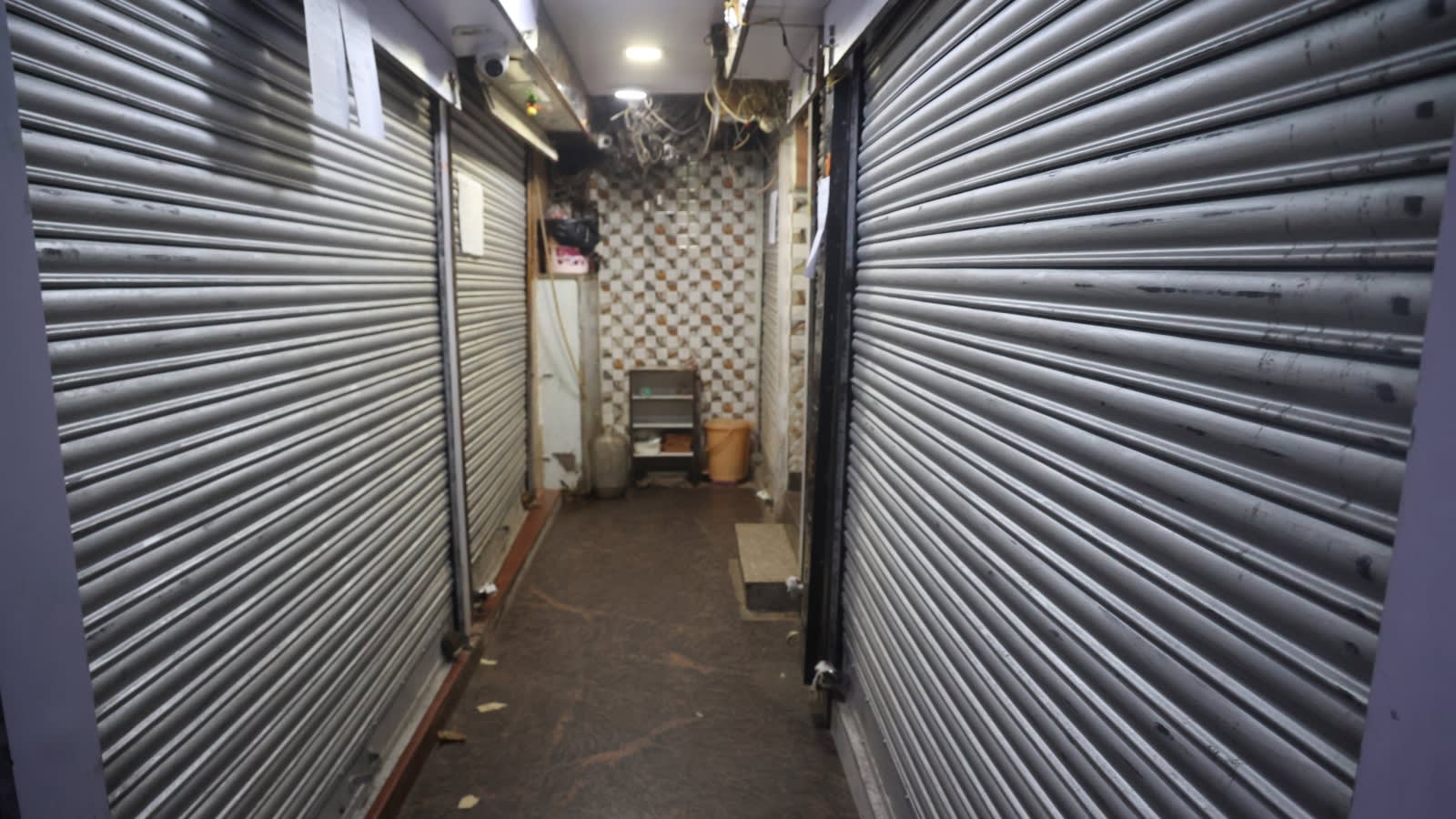
The enforcement drive extends beyond student housing, as evidenced by the sealing of 54 illegal shops in the basements of Chandni Chowk. This broader crackdown signifies a shift in the Delhi government’s approach toward illegal and dangerous structures. By targeting both residential hostels and commercial establishments, the authorities are attempting to mitigate the risks posed by decades of unchecked urban expansion and structural violations that have left many parts of the city vulnerable to collapse.
Future Trends in Urban Governance
The trajectory of these measures suggests that Delhi is moving toward a more digitized and scrutinized real estate environment. The establishment of a centralized database for student accommodation is a promising step toward modernizing urban housing management. However, the success of these initiatives will depend on the sustained rigor of the MCD’s enforcement and the willingness of educational institutions to invest in infrastructure. As the city continues to grapple with its rapid growth, the integration of safety audits into routine municipal governance will likely become a permanent fixture to prevent similar catastrophes in the future.
Multiple Citing Sources