AAP leader Satyendar Jain sent to judicial custody in sewage plant tender case
Source Entity
Nirbhay Thakur
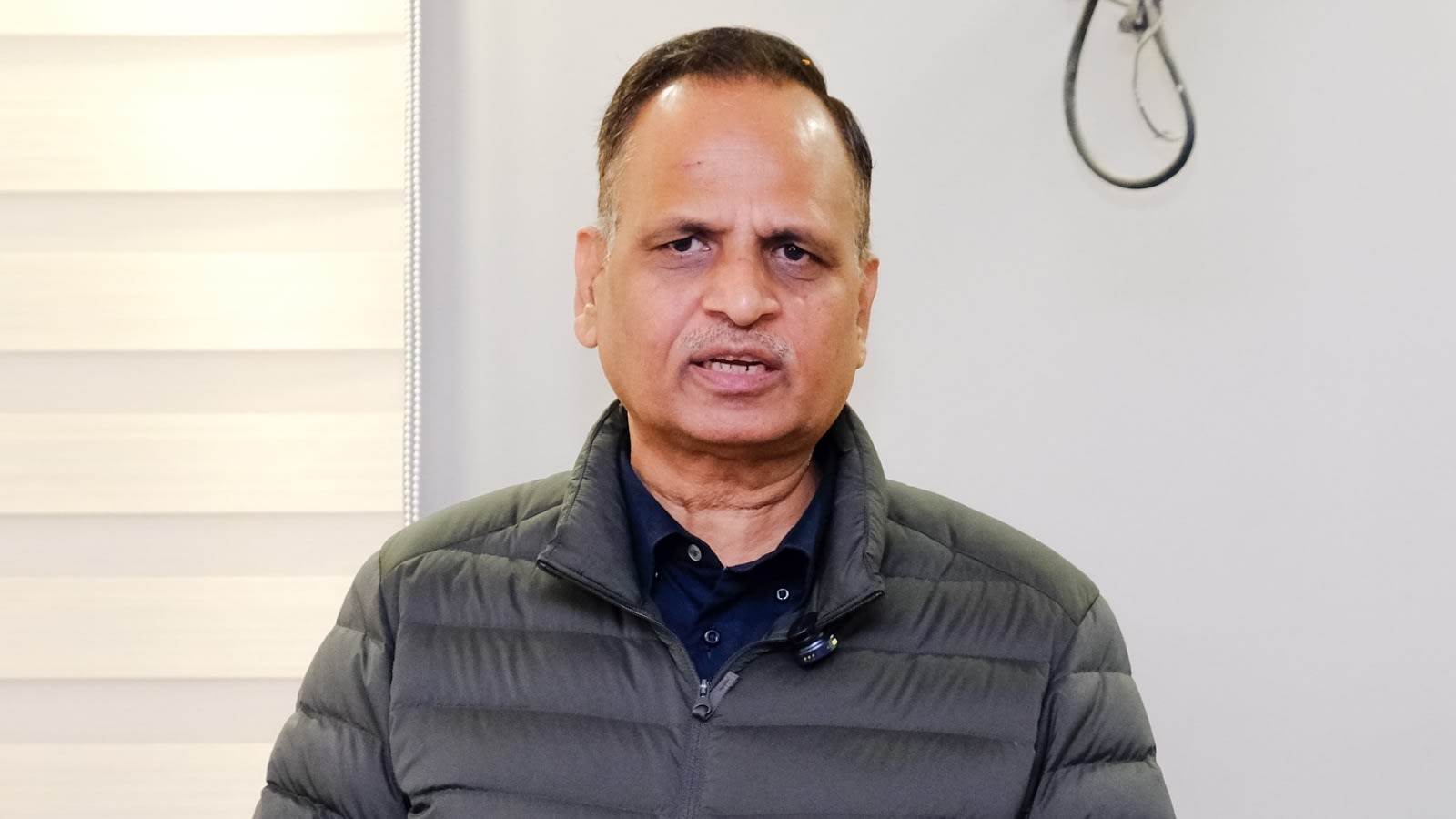
Former Delhi Water Minister Satyendar Jain has been remanded to 14-day judicial custody regarding alleged irregularities in Delhi Jal Board sewage treatment plant tenders. Jain has dismissed the charges as a politically motivated vendetta linked to electoral cycles.
The Delhi Jal Board Legal Crisis: An Overview
The legal challenges surrounding Aam Aadmi Party (AAP) leader and former Delhi Water Minister Satyendar Jain have intensified following a special court's decision to remand him to 14-day judicial custody. This development is tied directly to an ongoing investigation into alleged irregularities within the Delhi Jal Board (DJB), specifically concerning the tendering process for the augmentation and upgradation of sewage treatment plants (STPs).
Origins of the Investigation
The core of the dispute revolves around administrative and financial decisions made in 2021. Investigative reports highlight that the scrutinized actions include an 'in-principle' approval process, various high-level meetings, and a substantial financial estimate of Rs 1,546.32 crore. These fiscal decisions, which occurred months prior to the initial arrest of the former minister, serve as the foundational evidence for the current legal proceedings initiated by the Anti-Corruption Branch.
The Legal Battle and Judicial Response
During his recent appearance at the Rouse Avenue court, Satyendar Jain faced a significant setback when the court dismissed his application challenging the legality of his arrest. By remanding Jain and four other co-accused to judicial custody, the court has signaled that the investigative process requires further oversight, effectively sidelining the former minister from administrative duties while the probe into the DJB contracts continues.
Political Allegations and Counter-Narratives
In his defense, Satyendar Jain has characterized the proceedings as a manifestation of 'political vendetta.' He has explicitly linked the timing of these legal maneuvers to the electoral climate, specifically mentioning the upcoming Punjab elections. This framing suggests a broader strategy by the AAP to present the investigation not as a matter of administrative accountability, but as a calculated effort by political opponents to destabilize the party leadership during critical campaign windows.
Broader Implications for Governance
The case underscores the intense scrutiny placed on public infrastructure projects in the national capital. The DJB, responsible for the critical task of sewage treatment and water management, remains a focal point for governance debates. As the legal system examines the 2021 tendering processes, the outcome of this case will likely set a precedent for how oversight agencies evaluate 'in-principle' approvals and the subsequent execution of large-scale municipal contracts in India.
Future Trends and Judicial Outlook
Looking ahead, the judicial process will likely focus on whether the Rs 1,546.32-crore estimate was inflated or if the tendering process bypassed established transparency protocols. If the court finds merit in the allegations, it could lead to systemic changes in how the Delhi Jal Board manages procurement. Conversely, if the defense succeeds in framing the case as purely political, it may bolster the AAP’s narrative against the current investigative regime. Regardless of the outcome, the case remains a defining moment for the intersection of urban governance and political accountability in Delhi.
Multiple Citing Sources