Saudi Arabia Plans To Free 1 Mb/d As it Invests in Nuclear Power
Source Entity
Yahoo Finance
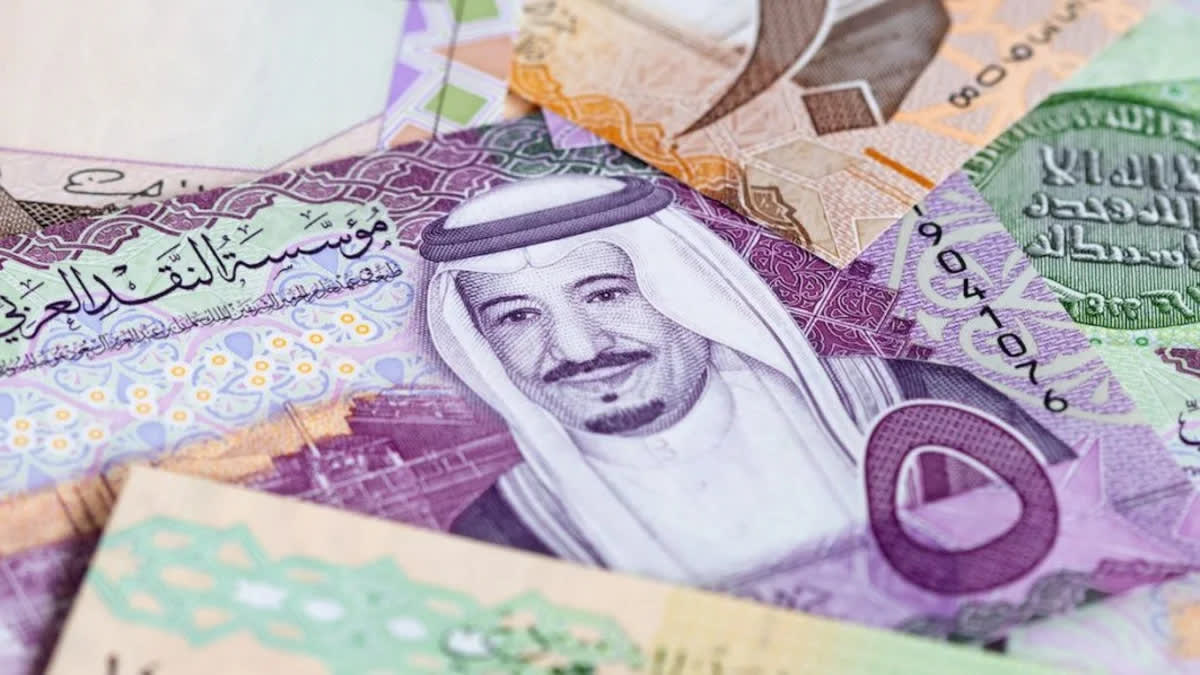
Saudi Arabia is launching an ambitious plan to displace 1 million barrels of daily liquid fuel consumption by 2030 through a shift toward natural gas, renewables, and nuclear energy. A new 30-year U.S.-Saudi civil nuclear cooperation agreement provides the framework for American companies to support this transition.
Saudi Arabia’s Strategic Energy Pivot: A New Nuclear Frontier
Saudi Arabia is currently navigating a significant transformation of its domestic energy landscape, aiming to displace over 1 million barrels per day (Mb/d) of liquid fuel currently consumed by its power stations, desalination plants, factories, and agricultural sectors. By 2030, the Kingdom intends to transition away from burning its own crude oil for domestic needs, a move designed to maximize export revenue and modernize the national infrastructure. This transition relies heavily on the integration of natural gas and renewable energy sources, which are slated to provide the bulk of the required replacement energy.
The Role of Nuclear Power in Long-Term Sustainability
Beyond the 2030 horizon, Saudi Arabia is looking toward nuclear power as a critical pillar for maintaining energy security. As the Kingdom’s electricity demand continues to grow exponentially, nuclear energy offers a scalable solution to support industrial expansion without further straining oil reserves. By incorporating nuclear power, Saudi Arabia seeks to diversify its energy portfolio, ensuring that domestic oil consumption is minimized while providing a stable, high-capacity baseload of power to support its burgeoning industrial economy.
The U.S.-Saudi Civil Nuclear Agreement
On July 22, the United States and Saudi Arabia formalized this ambition by signing a 30-year civil nuclear cooperation agreement. This landmark deal clears the regulatory and diplomatic path for U.S. corporations to export reactor technology, nuclear materials, and specialized technical services to the Kingdom. This agreement is modeled after similar precedents, such as those established with Turkey in 2008 and the United Arab Emirates in 2009, indicating a standard international framework for safe, non-proliferation-compliant nuclear development.
Commercial Implications and Global Competition
This agreement opens a massive commercial door for American nuclear firms to participate in Saudi Arabia’s search for significant additional generating capacity. The International Energy Agency (IEA) has previously highlighted the scale of the Kingdom's infrastructure requirements, which are among the most ambitious in the Middle East. By securing this legal framework, U.S. companies are now better positioned to compete for long-term contracts in a market that is actively seeking to diversify its energy mix.
Future Trends and Regional Stability
Looking forward, the success of this initiative could redefine Saudi Arabia’s position in the global energy market. By shifting away from liquid fuel consumption, the Kingdom demonstrates a proactive approach to managing its natural resources in an era of global energy transition. If the implementation of nuclear power proceeds as planned, it will likely influence regional energy policies across the Middle East, setting a benchmark for how resource-rich nations can leverage nuclear technology to sustain development while optimizing their export potential.