SC issues contempt notice to lawyer over remarks against CJI Surya Kant
Source Entity
ABHISHEK MISHRA
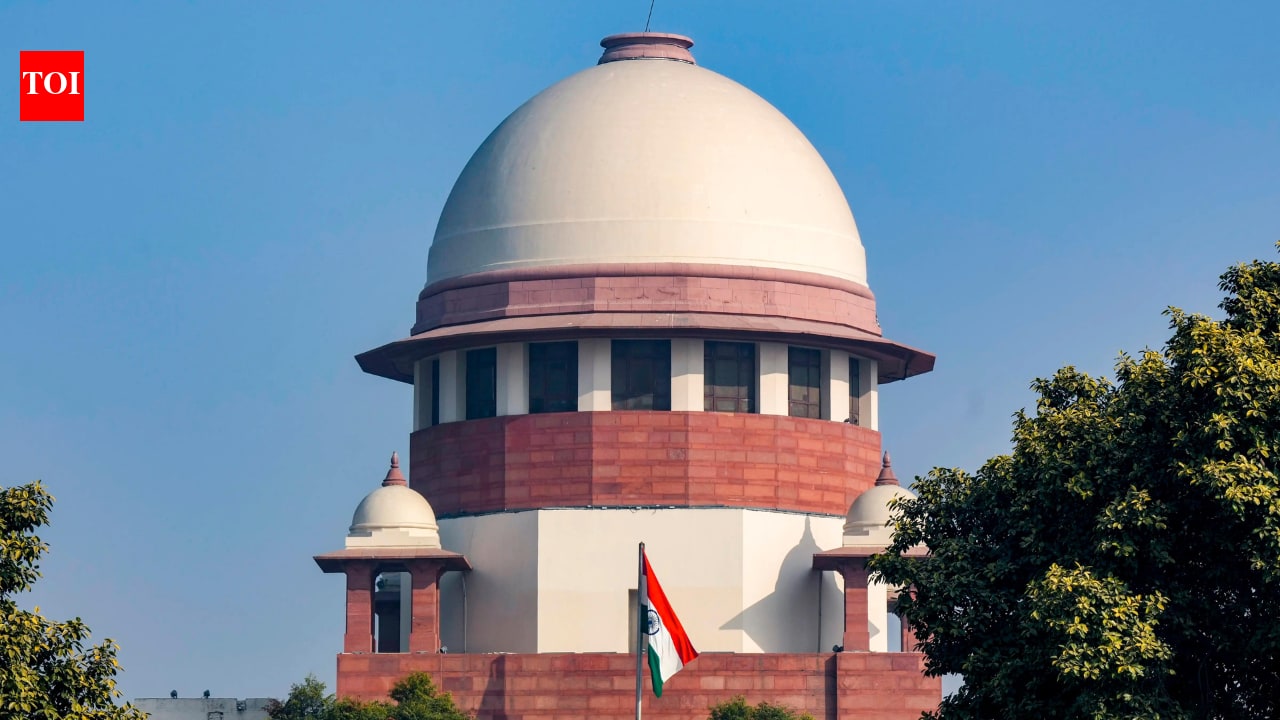
The Supreme Court has issued a contempt notice to a lawyer for remarks against CJI Surya Kant. Simultaneously, the court is reviewing a Lokpal procedural matter concerning the necessity of hearings before issuing show-cause notices.
Judicial Oversight and Contempt Proceedings
The Supreme Court of India has taken a firm stance regarding the decorum of the legal profession by issuing a contempt notice to a lawyer following disparaging remarks directed at Chief Justice Surya Kant. This move underscores the judiciary's commitment to maintaining institutional integrity and protecting the dignity of the highest office within the Indian legal system. Contempt of court laws serves as a critical mechanism to ensure that public discourse regarding judicial officers remains within the bounds of respectful criticism rather than descending into personal attacks that could undermine public faith in the administration of justice.
The Legal Threshold of Contempt
The issuance of a contempt notice is a significant procedural step, signaling that the court views the lawyer's statements as potentially obstructive to the justice process or damaging to the court's authority. In the Indian context, the Contempt of Courts Act provides the framework for such interventions. By holding legal professionals accountable for their public remarks, the Supreme Court reinforces the principle that officers of the court bear a heightened responsibility to uphold the sanctity of the institution they serve, even when disagreeing with judicial outcomes or leadership.
Procedural Transparency and the Lokpal
In a separate but equally significant matter, the Supreme Court has sought a response from the Lokpal of India regarding a petition filed by public servant Chinmoyjit Sen. The core of this legal battle rests on the interpretation of the Lokpal and Lokayuktas Act, 2013. The Delhi High Court had previously ruled that the Lokpal is not legally mandated to provide a public servant an opportunity to be heard before issuing a show-cause notice during an investigation. This case highlights the ongoing tension between the need for swift anti-corruption inquiries and the fundamental right to natural justice.
Balancing Due Process and Anti-Corruption Efforts
The Supreme Court's review of the Delhi High Court’s April 15 verdict is pivotal for administrative law. The lower court observed that while the right to be heard is essential before final action is taken under Section 20(3) of the Act, such a requirement does not necessarily apply to the preliminary stage of a show-cause notice. The Supreme Court's intervention will provide clarity on whether the Lokpal's investigative procedures align with constitutional protections against arbitrary administrative action.
Broader Implications for Governance
These developments signify a period of intense scrutiny for both the judiciary and anti-corruption watchdogs. The interaction between the Lokpal’s investigative powers and the rights of public servants represents a critical evolution in Indian governance. As the Supreme Court weighs the necessity of hearings at the notice stage, the outcome will likely set a lasting precedent for how anti-corruption bodies function, ensuring that the fight against corruption remains robust while adhering to established legal safeguards. The convergence of these two matters—one involving professional conduct and the other involving institutional procedure—highlights the court's role as the final arbiter of both ethical standards and statutory interpretation.