SCoR General Manager reviews Godavari Pushkaram arrangements
Source Entity
India Latest News: Top National Headlines Today & Breaking News | The Hindu
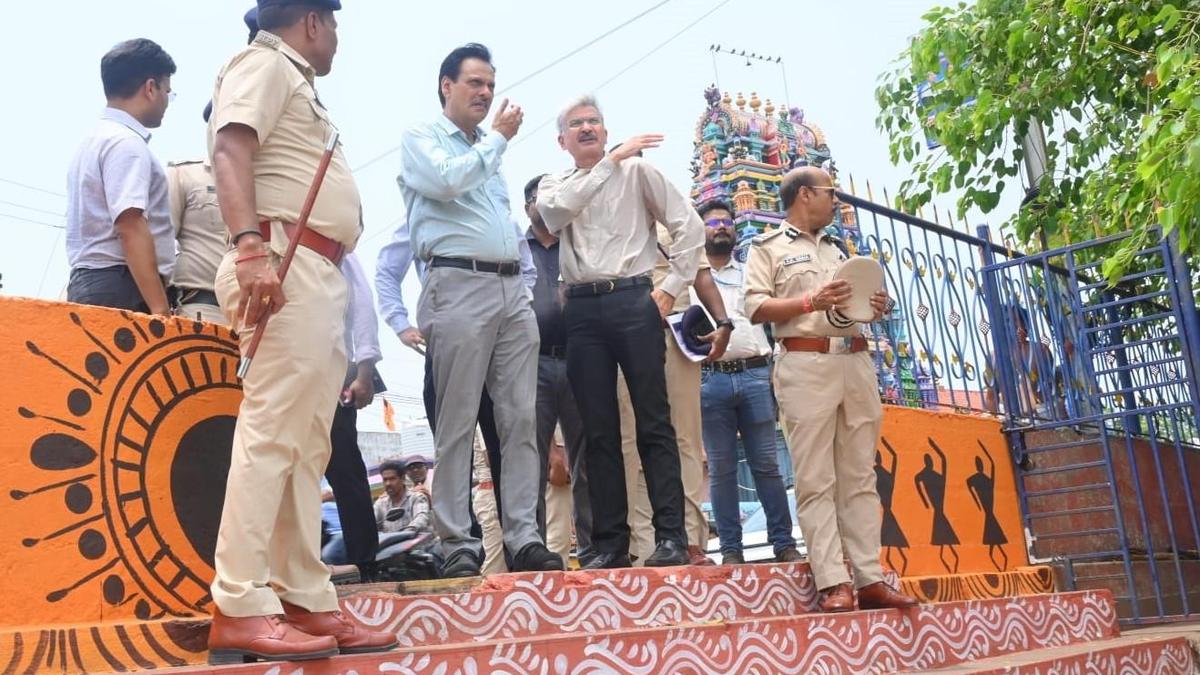
Inspection covers Rajahmundry, Godavari, Kovvur, Samalkot, Tuni and Anakapalle stations, with focus on passenger amenities and operational readiness
Strategic Infrastructure Readiness for Godavari Pushkaram
The General Manager (GM) of the South Coast Railway (SCoR) has initiated a critical series of inspections across several key railway hubs to prepare for the influx of devotees during the Godavari Pushkaram. This religious event, centered around the sacred Godavari River, traditionally attracts millions of pilgrims, placing an immense burden on regional transport infrastructure. The GM's direct oversight of stations including Rajahmundry, Godavari, Kovvur, Samalkot, Tuni, and Anakapalle underscores the high priority the railway administration is placing on crowd management and logistical efficiency.
Focus on Passenger Amenities and Crowd Control
One of the primary objectives of the inspection was the assessment of passenger amenities. During massive gatherings like the Pushkaram, basic facilities—such as drinking water, sanitation, waiting halls, and clear signage—become critical points of failure. By reviewing these amenities at stations like Rajahmundry and Kovvur, the SCoR administration is attempting to mitigate the risks of overcrowding and ensure that the passenger experience remains dignified and safe. The focus on 'operational readiness' suggests that the railway is not only looking at physical infrastructure but also at the deployment of personnel to manage ticket queues and platform flow.
Logistical Challenges of the Godavari Corridor
The selection of stations for inspection—spanning from the heart of the festival in Rajahmundry to outlying hubs like Tuni and Anakapalle—indicates a strategic approach to managing the 'entry and exit' points of the region. The Godavari corridor often faces severe bottlenecks during peak pilgrimage seasons. By ensuring that these specific stations are fully prepared, SCoR is aiming to create a seamless transit chain that prevents congestion from piling up at a single point, thereby distributing the passenger load across the network more effectively.
Historical Context of Religious Transit in India
Historically, major festivals in India, particularly those involving river bathing (Pushkarams), have presented some of the most significant challenges for the Indian Railways. The sudden, massive spike in demand for travel requires a dynamic shift in scheduling, often involving the introduction of special trains and the temporary modification of station layouts. The GM's proactive review is a reflection of lessons learned from previous large-scale events, where inadequate preparation led to chaos. This current initiative represents a shift toward a more preventive and inspection-driven management style.
Broader Implications for Regional Governance
This railway inspection is part of a larger inter-departmental effort to manage the Godavari Pushkaram. The coordination between the SCoR and local municipal bodies is essential, as the railway stations serve as the primary gateways for the millions arriving in the region. The operational readiness of these stations directly impacts the success of the overall event management, influencing everything from road traffic patterns around the stations to the overall safety and security of the pilgrims.
Conclusion and Future Outlook
In summary, the SCoR General Manager's review of the Rajahmundry, Godavari, Kovvur, Samalkot, Tuni, and Anakapalle stations is a vital step in ensuring the safety and convenience of pilgrims. By prioritizing both passenger amenities and operational readiness, the railway administration is positioning itself to handle the extreme demands of the Godavari Pushkaram. Moving forward, the success of these arrangements will likely serve as a blueprint for managing other high-traffic religious events across the South Coast Railway zone.
Verification Required?