Why the Sea of Azov is the new flashpoint in the Russia-Ukraine war
Source Entity
TOI WORLD DESK
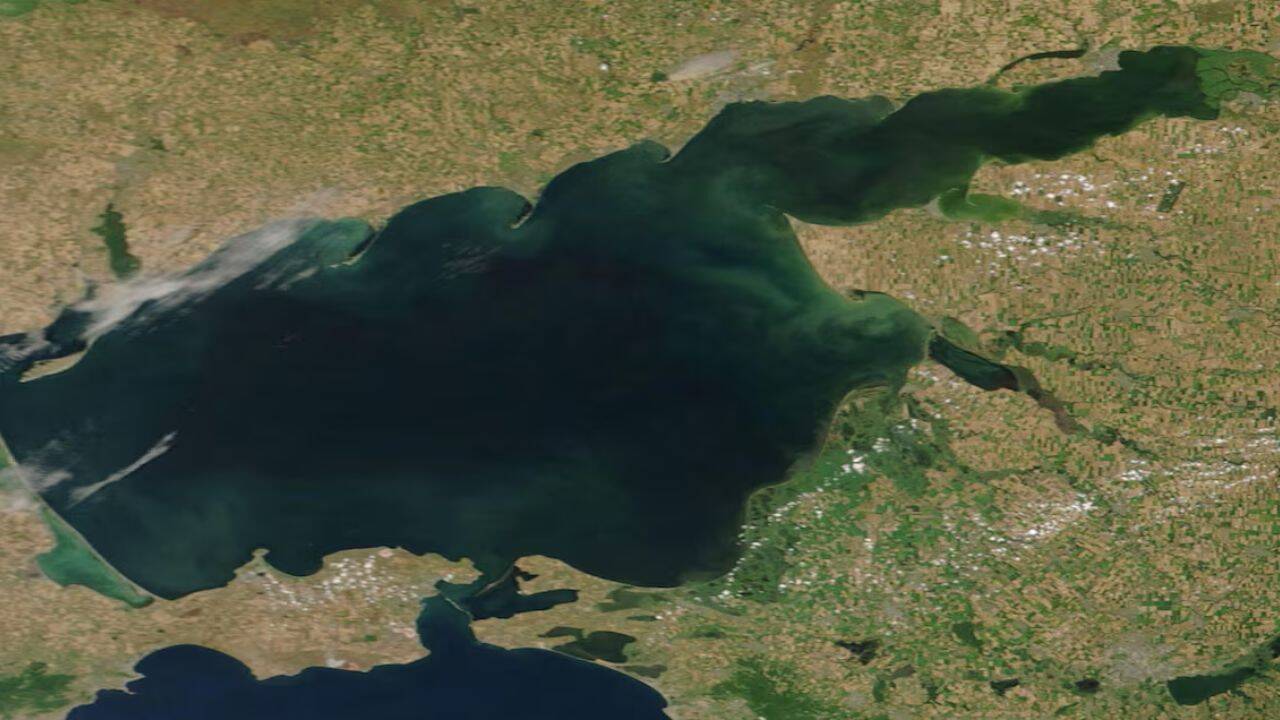
The Sea of Azov has emerged as a critical flashpoint in the Russia-Ukraine conflict, characterized by escalating maritime drone strikes. While Ukraine targets Russian military assets, Russia has labeled these actions as terrorism, citing risks to vital grain export corridors essential for economic stability.
The Sea of Azov: A Strategic Pivot in the Russia-Ukraine Conflict
The conflict between Russia and Ukraine has entered a precarious new phase as the Sea of Azov transforms into a primary theater of maritime attrition. Recent reports indicate a surge in maritime drone operations, with Ukraine intensifying its strikes against Russian naval assets. This shift represents a significant tactical evolution, moving the confrontation from land-based trenches and aerial bombardments to the contested waters of a shallow, strategically vital sea. The escalation is not merely a military skirmish but a high-stakes game of economic and territorial leverage.
The Rise of Asymmetric Maritime Warfare
Ukraine's utilization of maritime drones marks a pivot toward asymmetric warfare, allowing a nation with a diminished traditional navy to challenge Russian maritime hegemony. By targeting Russian vessels, Ukraine aims to disrupt the logistics and command structures that support Russian operations in southern Ukraine and Crimea. The precision of these drone strikes creates a psychological and operational burden for the Russian Black Sea Fleet, forcing them to divert resources toward defending their coastlines and supply ships. This strategy effectively extends the battlefield, ensuring that Russian forces cannot operate with impunity in the Azov region.
The Grain Corridor and Economic Weaponization
Central to this escalation is the tension surrounding grain exports. Russia has labeled Ukraine's maritime strikes as "acts of terrorism," a rhetorical move designed to frame the conflict in terms of global food security. The Sea of Azov is a critical artery for the transport of grain, and any disruption to these routes has immediate global repercussions. By framing the military strikes as threats to the grain harvest, Russia seeks to garner international sympathy and pressure Ukraine to cease its maritime offensive. However, this narrative masks the reality that the control of these waters is fundamentally about who dictates the terms of global agricultural trade.
Geopolitical Significance of the Azov Basin
Historically and strategically, the Sea of Azov serves as a vital link for Russia, connecting the Donbas region with Crimea via the "land bridge." The security of this basin is paramount for Russian military logistics; if Ukraine can successfully contest these waters, the stability of the land bridge is compromised. The Sea of Azov is not just a body of water but a logistical lifeline. Any significant Ukrainian presence or capability to strike within this zone threatens the coherence of Russia's southern defensive and offensive lines, making it a high-priority target for Ukrainian intelligence and special operations.
Implications for Global Food Security
The intersection of military drone warfare and agricultural exports creates a volatile environment for the global economy. As Russia prioritizes the safeguarding of its grain harvests and supply lines, the risk of accidental or intentional escalation increases. The volatility in the Sea of Azov can lead to spikes in global food prices, affecting nations far beyond the borders of Eastern Europe. This dynamic weaponizes the concept of "food security," where the ability to export grain becomes both a shield for Russian diplomacy and a target for Ukrainian strategic disruption.
Future Outlook and Strategic Trends
Looking forward, the Sea of Azov is likely to see an increase in the deployment of autonomous underwater vehicles (AUVs) and sophisticated electronic warfare systems. As Russia attempts to harden its defenses against drone incursions, Ukraine will likely refine its maritime tactics to find new vulnerabilities. The conflict here will likely remain a stalemate of attrition, where neither side can fully dominate the waters, but both can inflict significant costs on the other. The outcome of this maritime struggle will heavily influence the broader trajectory of the war, particularly regarding the viability of the Crimean peninsula as a Russian stronghold.
Conclusion
The escalation in the Sea of Azov underscores the evolving nature of the Russia-Ukraine war, where technology and economic leverage are as critical as territorial gains. The clash between Ukraine's drone-led maritime strategy and Russia's efforts to protect its economic lifelines creates a dangerous flashpoint. As both nations dig in, the Sea of Azov will remain a barometer for the overall intensity of the conflict and a critical factor in the stability of global grain markets.