Inside Iran's high-stakes cyber op to hunt down US troops in the Middle East
Source Entity
TOI DEFENCE DESK
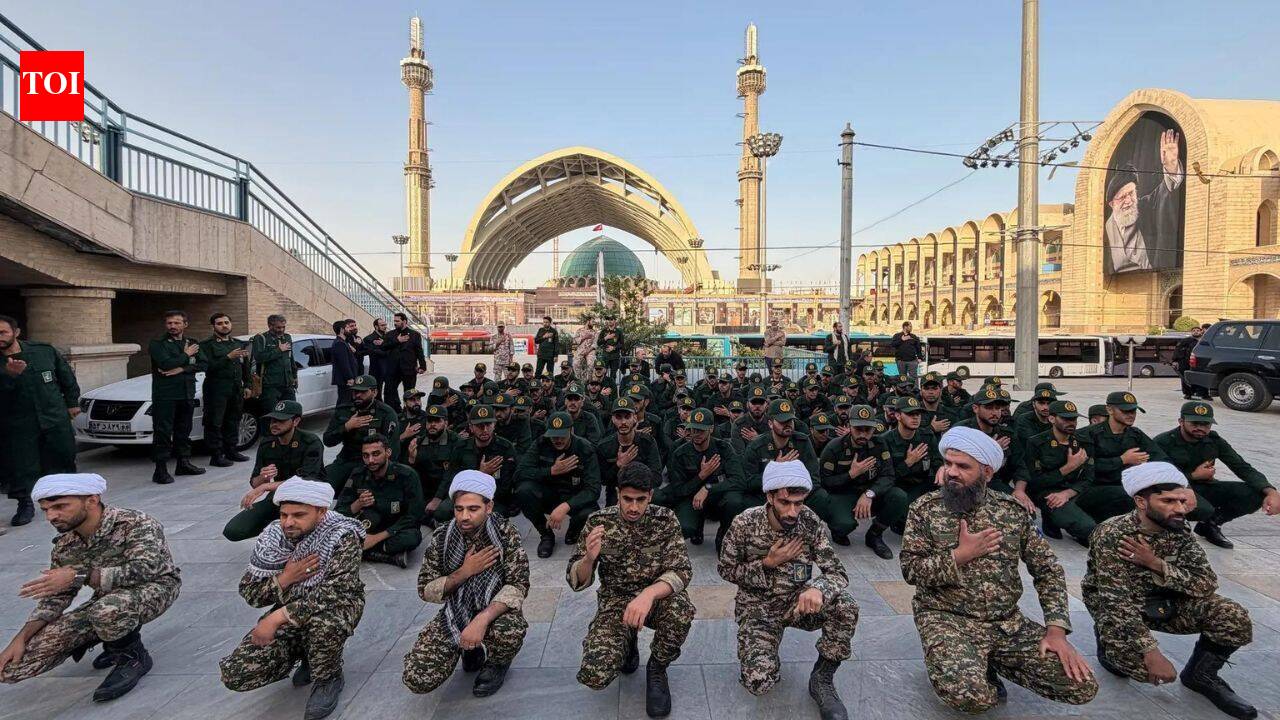
Iran is reportedly conducting a sophisticated cyber surveillance campaign targeting US troops in the Middle East by exploiting vulnerabilities in aging telecommunications infrastructure amidst escalating military tensions.
The Digital Frontline: Analyzing Iran's Cyber Surveillance of US Forces
The reported cyber operation by Iran targeting US troops in the Middle East represents a significant escalation in the "gray zone" of conflict, where digital espionage converges with traditional military tension. This campaign is not merely a series of isolated hacks but a strategic effort to gather actionable intelligence on the movement and location of US personnel. By integrating cyber capabilities into their broader military strategy, Iran is attempting to offset conventional military disadvantages through asymmetric warfare, turning the digital landscape into a primary theater of engagement.
Exploiting the Achilles' Heel: Aging Telecom Infrastructure
At the core of this operation is the exploitation of ageing telecommunications systems. Much of the global telecom infrastructure relies on legacy protocols—such as Signaling System No. 7 (SS7)—which were designed decades ago without modern security considerations. These vulnerabilities allow state actors to intercept calls, redirect messages, and, most critically, pinpoint the geographic location of mobile devices. By leveraging these systemic weaknesses, Iranian operatives can potentially track the real-time movements of US service members, effectively turning their own communication devices into beacons for surveillance.
The Context of Military Escalation
This cyber campaign does not exist in a vacuum; it unfolds against a backdrop of intensifying military escalation between Tehran and Washington. The Middle East has long been a flashpoint for these two powers, characterized by proxy conflicts, economic sanctions, and direct skirmishes. The transition to high-stakes cyber operations suggests that Iran is seeking a tactical advantage that can be deployed rapidly without necessarily triggering a full-scale kinetic war, although the intelligence gathered through these means could easily be used to facilitate physical attacks.
Implications for Operational Security (OPSEC)
For US forces, this revelation underscores a critical vulnerability in operational security. The reliance on local or aging regional telecom networks during deployments creates a significant risk. When state-sponsored actors can bypass standard encryption by attacking the network layer rather than the device itself, traditional security measures become insufficient. This forces a reconsideration of how military personnel communicate in hostile environments and necessitates a rapid shift toward hardened, proprietary, and end-to-end encrypted communication channels that bypass public infrastructure.
The Rise of Hybrid Warfare in the Middle East
This event is a textbook example of hybrid warfare, where cyber-attacks, disinformation, and conventional military threats are blended to achieve political objectives. Iran's approach demonstrates a sophisticated understanding of how to use non-kinetic means to achieve kinetic ends. By mapping the digital footprint of the US military, Iran creates a psychological deterrent and a strategic map of US capabilities, allowing them to anticipate movements and respond with greater precision in the physical world.
Future Trends and Strategic Responses
Looking forward, it is likely that we will see an "arms race" in secure communications within the region. The US is expected to accelerate the deployment of satellite-based communication systems and zero-trust architectures to mitigate the risks posed by compromised terrestrial networks. Conversely, Iran and its allies may further refine their cyber toolsets, potentially integrating AI-driven analysis to process the vast amounts of surveillance data gathered from telecom exploits, making their tracking capabilities even more autonomous and efficient.
Conclusion
In summary, Iran's cyber operation to hunt US troops highlights the precarious nature of modern military deployment in an era of interconnected, yet vulnerable, global infrastructure. The exploitation of legacy telecom systems proves that the weakest link in a military's chain is often the civilian infrastructure it relies upon. As the US and Iran continue their high-stakes geopolitical dance, the digital realm will remain a critical, invisible battlefield where the stakes are measured in human lives.