Seagate’s FireCuda Forge moves your data between a hard drive and SSD for better performance
Source Entity
Andrew Liszewski
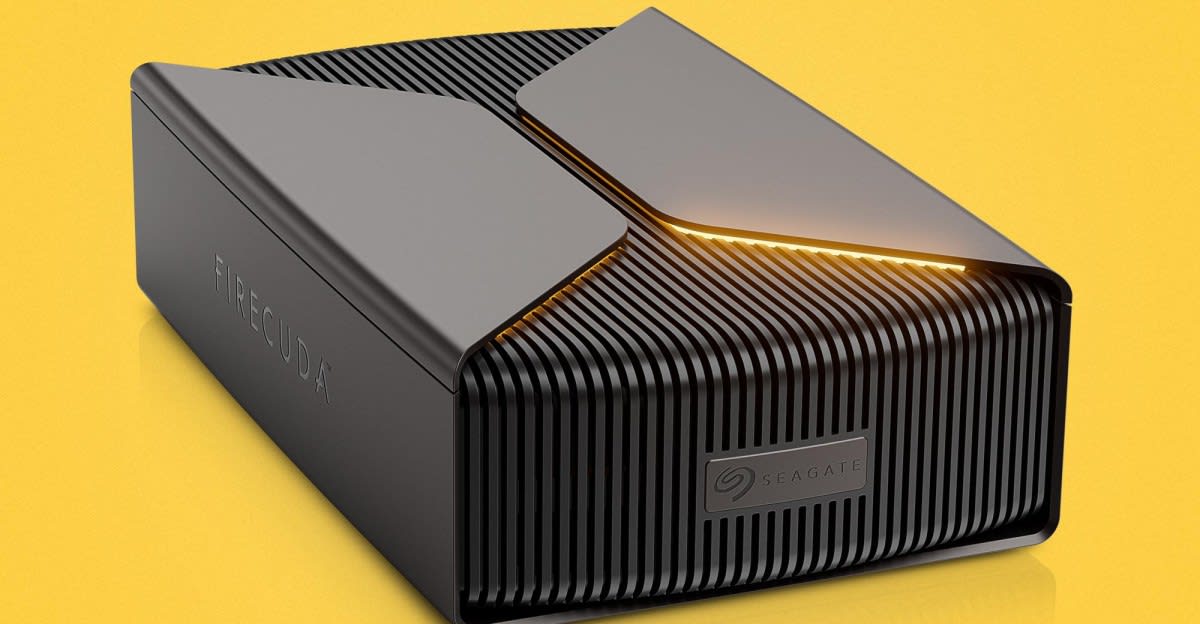
Seagate has launched the FireCuda Forge, an external storage device utilizing the new Alkemi intelligent platform to balance SSD speed with HDD capacity. The drive features user-replaceable hard drives but requires a separate NVMe SSD purchase.
The Evolution of Hybrid Storage: Analyzing Seagate’s FireCuda Forge
Seagate has officially entered a new phase of external storage innovation with the announcement of the FireCuda Forge. By blending the high-capacity benefits of traditional hard disk drives (HDDs) with the rapid data throughput of solid-state drives (SSDs), Seagate is addressing a long-standing bottleneck in external data management. This hybrid approach aims to provide power users, creative professionals, and gamers with a storage solution that does not force a choice between sheer volume and performance speed.
The Role of the Alkemi Intelligent Platform
At the heart of the FireCuda Forge lies the newly unveiled Alkemi intelligent storage platform. This software-driven architecture is designed to monitor user behavior and file access patterns. By identifying the data sets that are most frequently accessed or currently in use, the Alkemi system automatically migrates these files to the faster NVMe SSD component. This dynamic management ensures that active workflows remain snappy, while archival data sits securely on the high-capacity mechanical drive.
Hardware Flexibility and User Constraints
The FireCuda Forge is currently available in two distinct configurations: an 8TB model priced at $699 and a 20TB model at $899. A significant design feature of this product is the user-replaceable nature of the hard drive component, allowing for future upgrades or repairs. However, a critical caveat for prospective buyers is that the NVMe SSD is not included in the purchase price. This requirement places the burden of sourcing additional hardware on the consumer, a move that is particularly notable given the ongoing global memory shortage.
Market Implications of Memory Shortages
The decision to ship the FireCuda Forge without an integrated NVMe SSD reflects the broader volatility currently impacting the tech industry. As memory prices fluctuate due to supply chain constraints, manufacturers are increasingly opting for modular designs that allow end-users to scale their performance based on market availability. While this offers flexibility, it also introduces complexity for the average consumer who must now navigate the compatible NVMe market to complete their storage setup.
Future Trends in Intelligent Storage
Seagate’s focus on 'intelligent' storage represents a shift toward more autonomous hardware ecosystems. By offloading the burden of file organization to the Alkemi platform, users can theoretically achieve optimized performance without manual intervention. If successful, this trend toward automated, software-defined storage management could become the industry standard for high-end external peripherals, effectively narrowing the performance gap between internal workstation storage and portable external solutions.
Conclusion
The FireCuda Forge is a sophisticated, albeit niche, entry into the high-end external storage market. By combining the massive capacity of 8TB or 20TB HDDs with the intelligence of the Alkemi platform, Seagate offers a compelling solution for data-heavy workflows. Despite the logistical challenges posed by the separate NVMe requirement and current market shortages, the device highlights a clear trajectory toward smarter, user-customizable storage architecture.