Seagate's new hybrid drive raises some old questions
Source Entity
Nick Indge
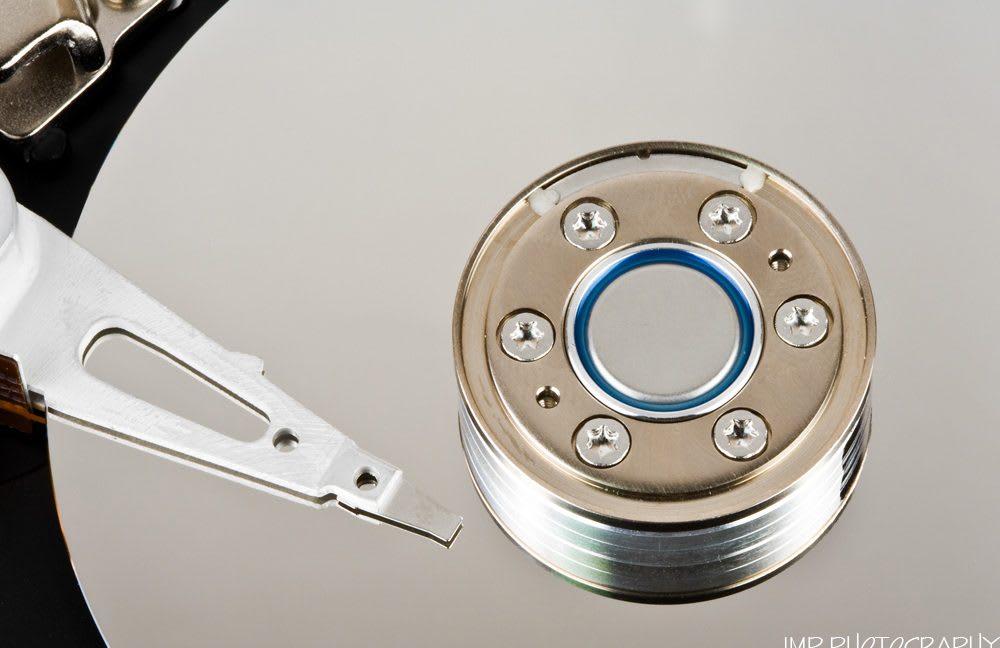
Seagate is reviving the hybrid drive concept with its new FireCuda Forge to address modern storage cost challenges. This approach attempts to balance high-capacity HDD storage with the speed of SSDs, echoing the industry trends seen in the early 2010s.
The Resurgence of Hybrid Storage: Analyzing Seagate's FireCuda Forge
The Historical Context of Hybrid Drives
In the early to mid-2010s, the storage industry faced a significant dilemma: the high cost of solid-state drives (SSDs) versus the massive capacity afforded by traditional hard disk drives (HDDs). The industry response was the 'hybrid drive,' a technology that sought to marry the speed of flash memory with the affordability of mechanical platters. This era saw notable implementations, most famously Apple’s 'Fusion Drive' introduced in 2012, which utilized complex software layering to manage data placement.
How the Technology Functions
At the core of the hybrid drive architecture is a tiered storage management system. As observed in historical tear-downs of units like the Mac mini's Fusion Drive, these systems typically operate in 128KB tiered blocks. Data is ingested onto the faster SSD partition first to ensure rapid write speeds, and an intelligent algorithm subsequently migrates older or less frequently accessed data to the high-capacity HDD. This tiered approach aims to keep frequently used files on the 'hot' storage tier, optimizing user experience without requiring the expense of a massive, all-flash array.
Why the Concept Faded
For several years, the hybrid model fell out of favor. The primary driver for this shift was the rapid and consistent decline in the price per gigabyte of NAND flash memory. As SSDs became more affordable, the complexity of managing a hybrid system—which often involved potential software overhead and the risk of mechanical failure—outweighed the cost benefits for the average consumer. Most manufacturers pivoted toward all-SSD configurations, simplifying the storage stack and improving reliability.
The 2026 Storage Predicament
Fast-forward to 2026, and the industry is encountering a new storage cost predicament. While SSD prices have dropped significantly over the last decade, the sheer volume of data generated by modern applications, high-resolution media, and massive game installs has created a demand for high-capacity storage that still strains consumer budgets. Seagate’s introduction of the FireCuda Forge is a direct response to this economic pressure, attempting to provide a cost-effective alternative for users who require terabytes of space without the premium price tag of high-capacity NVMe drives.
Future Implications and Challenges
The success of the FireCuda Forge will depend on its ability to solve the 'old questions' that plagued its predecessors. These include the efficiency of the migration algorithm and the reliability of the mechanical components. As we look toward the future, the industry will be watching to see if the hybrid model can successfully bridge the gap between performance and mass-storage affordability once again. If Seagate can refine the tiered block management to be seamless and durable, it may prove that the hybrid concept was not obsolete, but simply ahead of its time.