Terrorist With 13 Criminal Cases Arrested In J&K After 20 Years On The Run
Source Entity
NDTV News Search Records Found 1000
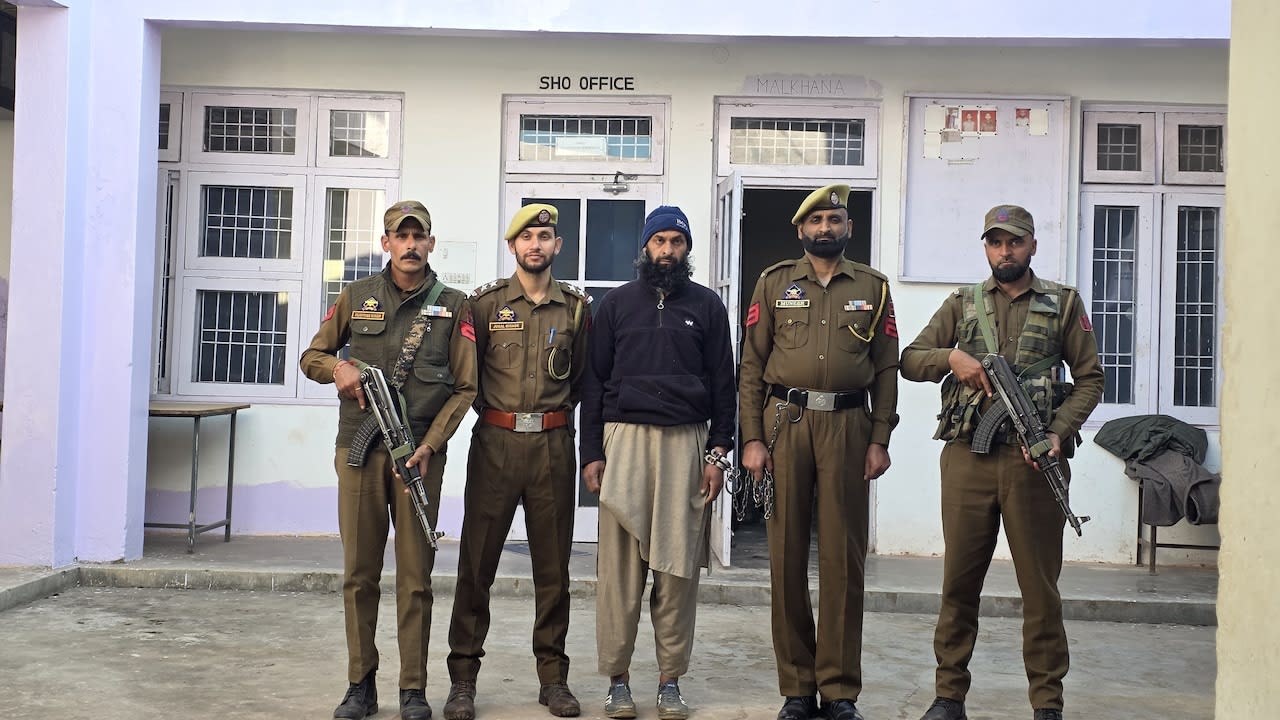
Security forces have eliminated the last known local militant in Kashmir, shifting their strategic focus toward neutralizing 65 foreign terrorists. Meanwhile, internal unrest in PoK has exposed the presence of Jaish-e-Mohammed networks operating from Rawalakot.
The Shifting Landscape of Security in Jammu and Kashmir
The End of Local Militancy
Recent intelligence reports and security operations have marked a significant turning point in the security landscape of Jammu and Kashmir. The killing of the last known local Lashkar-e-Taiba (LeT) recruit has effectively ended the era of indigenous active militancy in the Valley. This development represents a success for multi-agency operations aimed at curbing local radicalization and recruitment, signaling a decline in the internal support base for insurgent activities that have historically plagued the region.
The Persistence of Foreign Terror Threats
Despite the neutralization of local cadres, the security threat has not been eradicated; it has merely evolved in nature. Security forces are currently engaged in an intensive hunt for 65 identified foreign terrorists, primarily affiliated with the Lashkar-e-Taiba (LeT) and Jaish-e-Mohammed (JeM). These groups have shifted their operational tactics, focusing on reviving dormant networks and leveraging foreign operatives to maintain a footprint in the Valley. The reliance on foreign fighters underscores a strategic shift away from local recruitment toward a reliance on external infiltration.
Unrest in PoK and the Role of Jaish-e-Mohammed
Compounding these challenges is the volatile situation in Pakistan-occupied Kashmir (PoK), specifically in Rawalakot. Masood Ilyas Kashmiri, a JeM commander, has openly acknowledged the presence of terror networks in the area. His criticism of Pakistani authorities for failing to suppress anti-state activities highlights a complex internal struggle where local communities, represented by the Joint Awami Action Committee, are increasingly at odds with both government policies and the presence of militant outfits on their soil. The fact that some JeM members share the same communities as those protesting the government suggests a growing internal friction within PoK.
Legislative Action and Financial Deterrence
In response to the threat posed by individuals operating from across the Line of Control (LoC), the Jammu and Kashmir Police have adopted a proactive legal strategy. By invoking Section 25 of the Unlawful Activities (Prevention) Act (UAPA), authorities have begun attaching the properties of individuals who crossed into Pakistan decades ago to receive training and are now involved in financing terror activities. The attachment of 27 kanals of land in the Reasi district serves as a stern warning and a mechanism to dismantle the financial infrastructure supporting these proxy groups.
Future Trends and Strategic Implications
Moving forward, the security apparatus is likely to continue its dual-pronged approach: neutralizing foreign infiltrators through intelligence-led operations and targeting the logistical and financial lifelines of those operating from PoK. The shift in focus to those who left for training in the 1990s indicates a long-term commitment to holding diaspora-based orchestrators accountable. As the region experiences a decline in active local terrorists, the international community will likely continue to monitor how these proxy outfits manipulate local unrest in PoK to mask their activities, making regional stability increasingly dependent on the containment of these cross-border networks.
Multiple Citing Sources
Verification Required?