Chip stocks rebound as Nvidia, AMD and Intel gain after $3.7 trillion semiconductor sell-off
Source Entity
Latest News: Todays Latest News Headlines from India & World | Hindustan Times
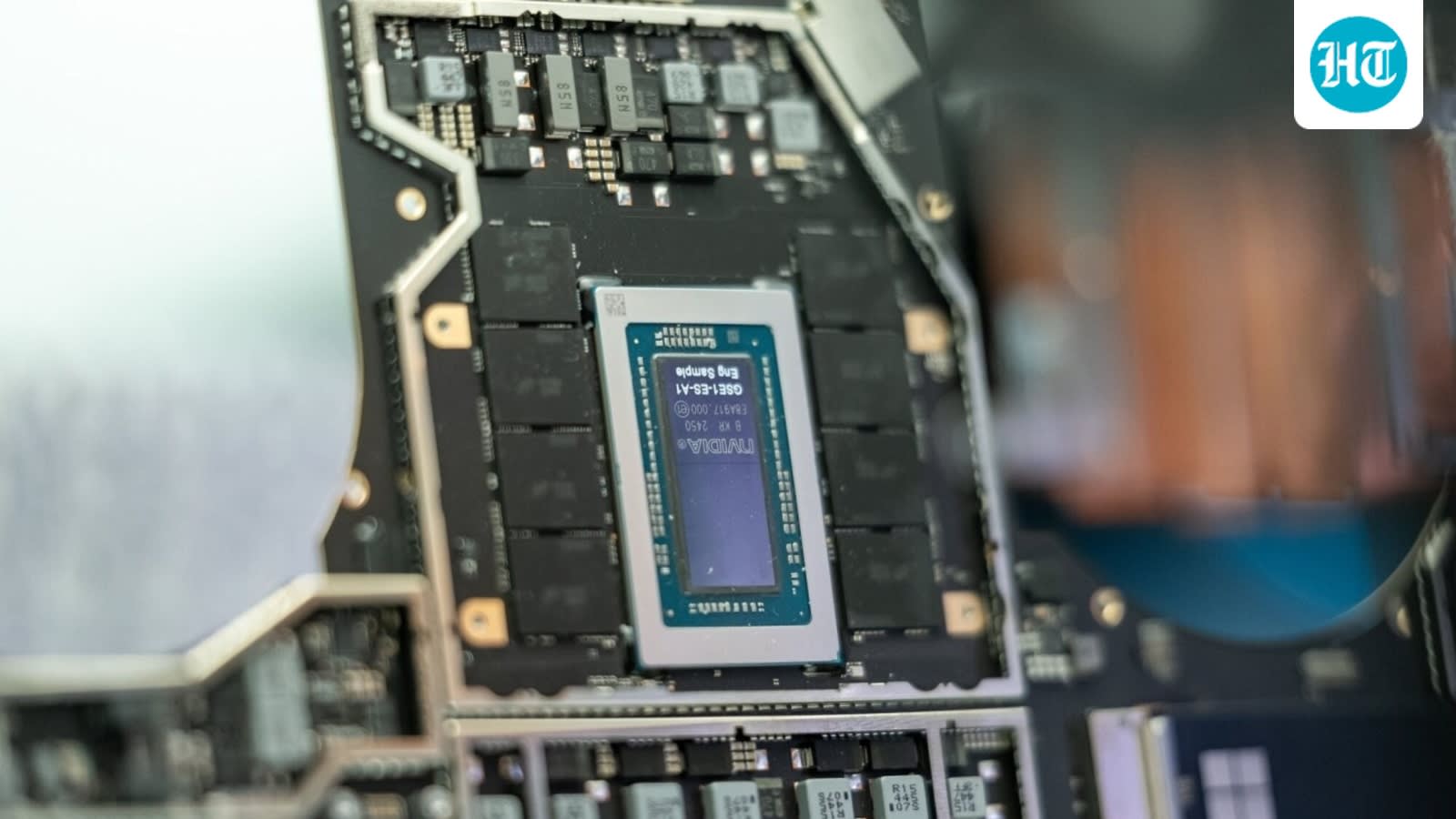
US semiconductor stocks, led by Nvidia, AMD, and Intel, are rebounding following a massive $3.7 trillion market sell-off. The recovery is bolstered by strong earnings reports from AMD and increased demand for AI servers at Super Micro.
The Semiconductor Sector Rebound: A Market in Flux
The global semiconductor market has experienced extreme volatility, characterized by a staggering $3.7 trillion sell-off driven by investor anxieties surrounding the sustainability of artificial intelligence (AI) capital expenditures and concerns regarding neocloud debt. This period of intense selling pressure highlights the hypersensitivity of the tech sector to macroeconomic shifts and the high expectations placed upon major chipmakers. However, the market has begun to show signs of stabilization as investors re-evaluate the intrinsic value of foundational hardware providers.
Recovery Amidst Market Volatility
Following the significant downturn, US chip stocks, including industry giants Nvidia, AMD, and Intel, have staged a notable rebound. The Philadelphia Semiconductor Index (PHLX), a key barometer for the sector, climbed higher as market participants moved to capitalize on the previous session's heavy losses. Nvidia, which bore the brunt of the market value decline during the sell-off, saw its shares rise by 2% in early trading, signaling a cautious return of investor confidence in the company's long-term growth trajectory.
AMD’s Strong Performance as a Catalyst
Advanced Micro Devices (AMD) has emerged as a primary driver of this recovery. The company reported third-quarter earnings that surpassed Wall Street expectations, with adjusted earnings per share of $2.09 compared to the anticipated $1.95. Most significantly, AMD reported $13.38 billion in revenue, representing a 45% increase year-over-year. This surge was underpinned by data center revenue that nearly doubled, confirming the critical role of AI-centric hardware in current enterprise infrastructure spending.
Strategic Growth and Infrastructure Demand
Beyond chip manufacturers, the broader ecosystem is showing resilience. Super Micro has reported that it is successfully cultivating a "high-quality customer base," which is directly fueling revenue growth. This development is essential, as it suggests that demand for AI servers remains robust despite broader market concerns. By securing long-term, high-value contracts, firms like Super Micro provide a clearer outlook on the actual deployment of AI hardware in real-world data centers.
Looking Ahead: AI Sustainability
While the recent rebound provides a temporary reprieve from the $3.7 trillion sell-off, the future of the semiconductor industry will likely be defined by the ability of companies to translate AI hype into tangible, recurring revenue. CEO Lisa Su’s commentary regarding the expected growth in data center processors suggests that the current cycle of investment is not merely speculative but grounded in tangible hardware adoption. As companies continue to navigate the balance between heavy R&D costs and market volatility, the industry remains poised for a period of critical evaluation regarding the long-term ROI of AI infrastructure.
Verification Required?