How Serbia’s student movement won national elections within two years
Source Entity
Gulshan Sachdeva
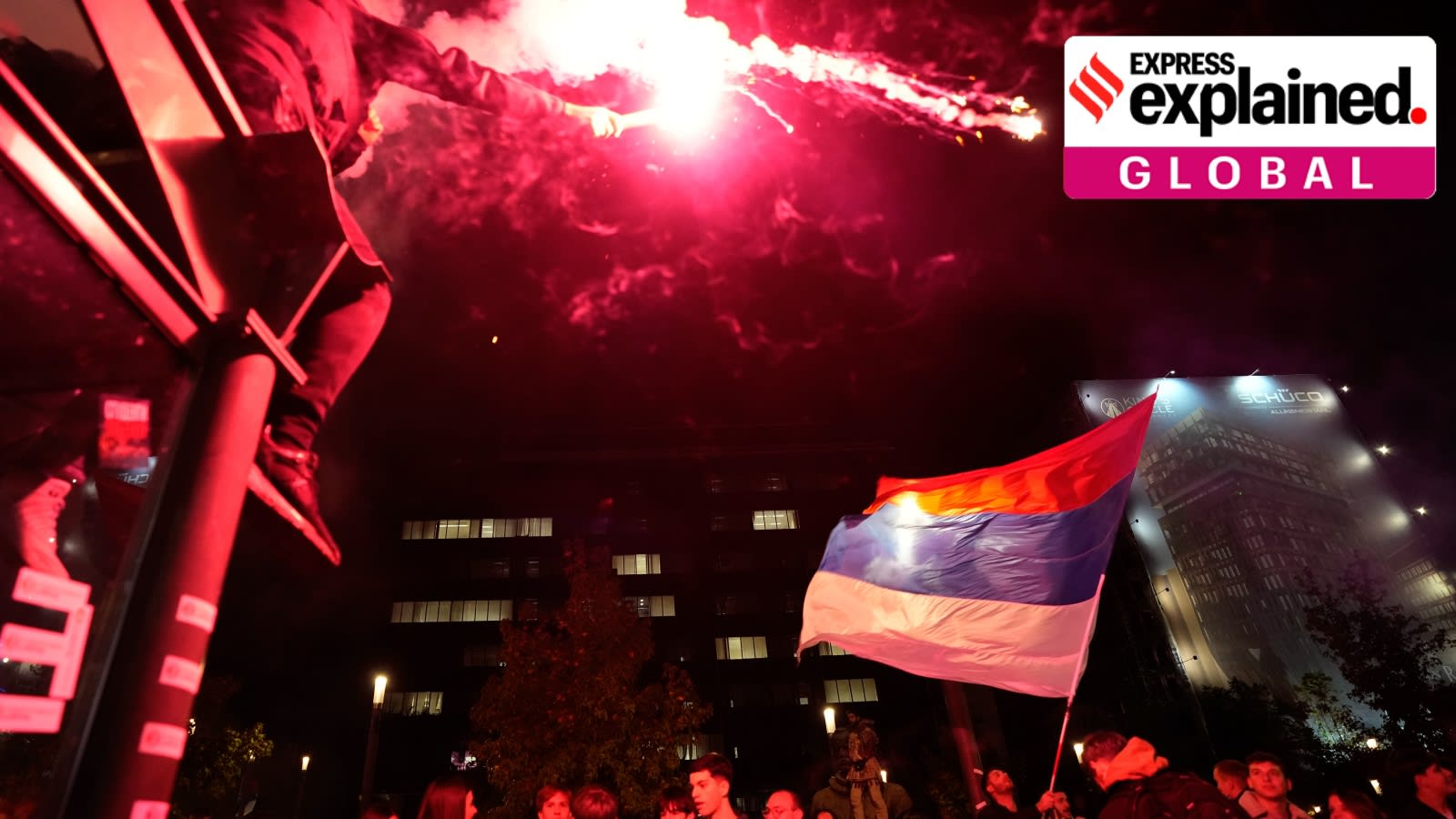
A student-led movement in Serbia has successfully unseated long-time President Aleksandar Vučić following a two-year political campaign. The movement gained momentum after a tragic railway station collapse in Novi Sad, highlighting systemic corruption and governance failures.
The Rise of Student Activism: Serbia’s Political Transformation
In a historic shift for Balkan politics, a student-led movement has successfully unseated President Aleksandar Vučić, ending his decade-long tenure in the parliamentary elections held on October 25. This transition marks a pivotal moment for Serbia, signaling a profound change in the nation's political landscape. The movement, which emerged from the grassroots, managed to consolidate public frustration into a viable electoral force within a mere two-year timeframe, proving that youth-driven mobilization can overcome entrenched political establishments.
The Catalyst: Tragedy and Accountability
The momentum for this political upheaval was fundamentally anchored in the tragic events of November 2024, when a canopy collapse at a railway station in Novi Sad resulted in the deaths of 16 people. This disaster served as a lightning rod for public anger, exposing deep-seated systemic issues that many citizens believed were the direct result of government negligence and corruption. The student movement effectively framed this tragedy not as an isolated accident, but as a symptom of a broader crisis in infrastructure and governance, compelling the electorate to demand accountability.
Beyond the Border: A Global Trend
Serbia’s political shift is part of a larger, evolving global narrative. Across Europe and beyond, student-led movements have become increasingly prominent, challenging the status quo by addressing systemic failures ranging from educational reform to political corruption. These movements often act as the conscience of the nation, bridging the gap between disillusioned citizens and formal political structures. In the Serbian context, the students' ability to mobilize on issues of public safety and institutional integrity has resonated strongly with a population weary of long-standing political stagnation.
Analyzing the Two-Year Trajectory
The trajectory from grassroots activism to electoral victory in two years is a remarkable feat of organizational discipline. By maintaining a focus on tangible issues—such as infrastructure safety and anti-corruption measures—the movement avoided the pitfalls of abstract political debate. Instead, they tapped into the collective grief and anger of the Serbian public, transforming it into a cohesive electoral mandate. This strategy allowed them to build a broad coalition that transcended traditional party lines.
Regional Implications and Future Outlook
The unseating of Aleksandar Vučić is expected to have significant ripple effects across the region. As a long-standing political figure, his departure necessitates a recalibration of Serbia's domestic and foreign policy priorities. Experts like Professor Gulshan Sachdeva suggest that this shift could lead to a more transparent governance model, though the new leadership will face the immediate challenge of addressing the structural decay that led to the Novi Sad tragedy. The future of the region will likely depend on whether this student movement can transition from a protest force to an effective governing body.
Conclusion
The success of Serbia’s student movement serves as a case study in how localized grievances, when channeled through sustained organization, can topple long-standing power structures. As the new government takes shape, the focus will remain on whether they can fulfill their promises of reform and justice. The world will be watching to see if this movement can maintain its momentum and deliver the systemic change that brought them to power.