Serve Robotics wants to democratize sidewalk delivery robots
Source Entity
Andrew J. Hawkins
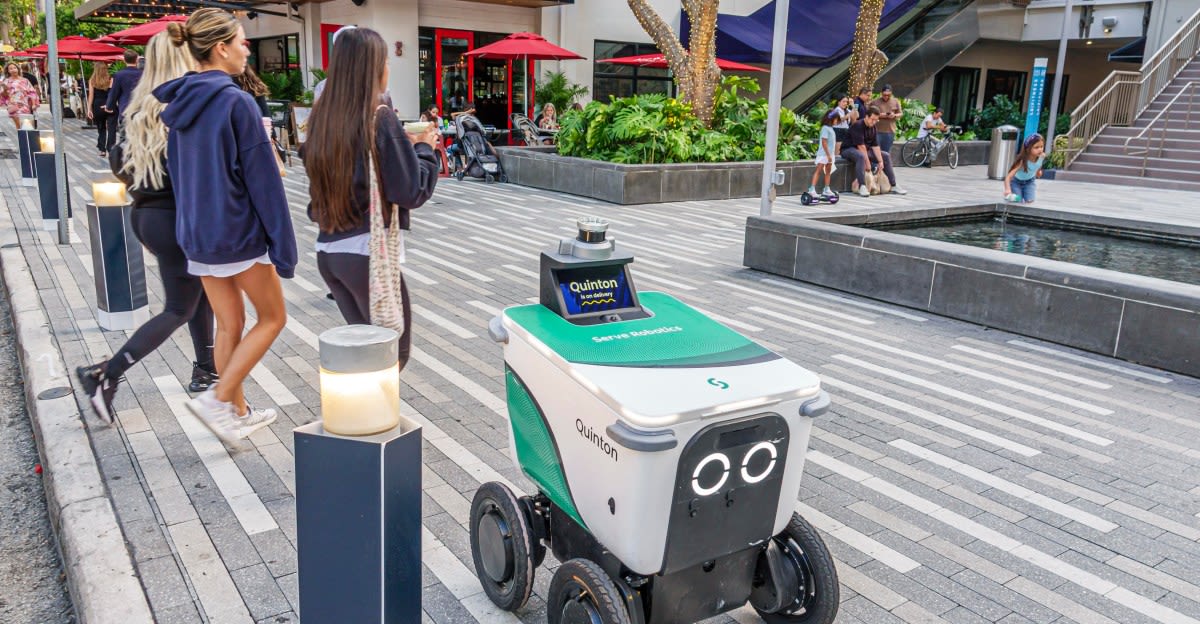
Serve Robotics is launching an AV Delivery Developer Portal to open its fleet of 2,000 autonomous robots to third-party developers and small businesses. This move aims to decentralize last-mile delivery by allowing users to bypass major food delivery platforms.
The Democratization of Last-Mile Logistics
Serve Robotics has announced a significant shift in the autonomous delivery landscape by launching its new AV Delivery Developer Portal. By granting third-party software engineers, independent businesses, and autonomous AI agents access to its fleet of 2,000 sidewalk robots, the company is effectively lowering the barrier to entry for robotic logistics. This move marks a transition from a closed, platform-centric model to an open-access ecosystem, signaling a broader trend toward the decentralization of last-mile delivery services.
Breaking the Monopoly of Delivery Giants
Historically, the autonomous delivery sector has been tightly controlled by large aggregators and major food delivery companies, such as Uber. These platforms have functioned as gatekeepers, determining which businesses have access to automated delivery solutions. By providing a portal that allows businesses to dispatch robots directly, Serve Robotics is challenging this status quo. This change enables small businesses to implement their own delivery logistics without the heavy overhead or reliance on the proprietary ecosystems of major delivery conglomerates.
The Role of AI and Third-Party Integration
One of the most innovative aspects of this initiative is the inclusion of autonomous AI agents within the developer portal. As AI continues to integrate into physical infrastructure, the ability for software agents to directly interface with physical robots represents a significant leap in automation. This integration allows for more complex, programmable logistics workflows that can be tailored to the specific needs of independent vendors, moving beyond simple 'point A to point B' delivery tasks.
Infrastructure and Scalability
Managing a fleet of 2,000 sidewalk robots requires sophisticated software orchestration. Serve Robotics' decision to open its API via the new portal suggests that the company has matured its backend infrastructure to the point where it can support external traffic and multi-tenant operations. This scalability is crucial for the future of urban robotics, as it moves the technology from experimental pilots to a utility-like service that can be plugged into various local business operations.
Broader Implications for Urban Transportation
This development has substantial implications for the future of urban mobility and public space management. As more independent actors gain the ability to deploy robots, the density of sidewalk traffic will likely increase, necessitating more robust regulatory frameworks. However, the move also promises to reduce the reliance on human-driven vehicles for short-distance deliveries, potentially lowering carbon emissions and congestion in dense metropolitan areas. By shifting toward an open-platform model, Serve Robotics is setting the stage for a more competitive and versatile last-mile delivery market.
Future Trends in Autonomous Delivery
Looking ahead, the success of this portal will likely influence how other robotics companies approach market penetration. We can expect to see a surge in specialized delivery applications created by independent developers, ranging from hyper-local grocery delivery to specialized logistics for small-scale retail. As the technology becomes more accessible, the 'Robot-as-a-Service' (RaaS) model will likely become the standard, fundamentally changing how consumers interact with their local commerce ecosystems.