Seven Americans quarantining at Kenya Ebola facility after US travel ban, says aid group
Source Entity
Reuters
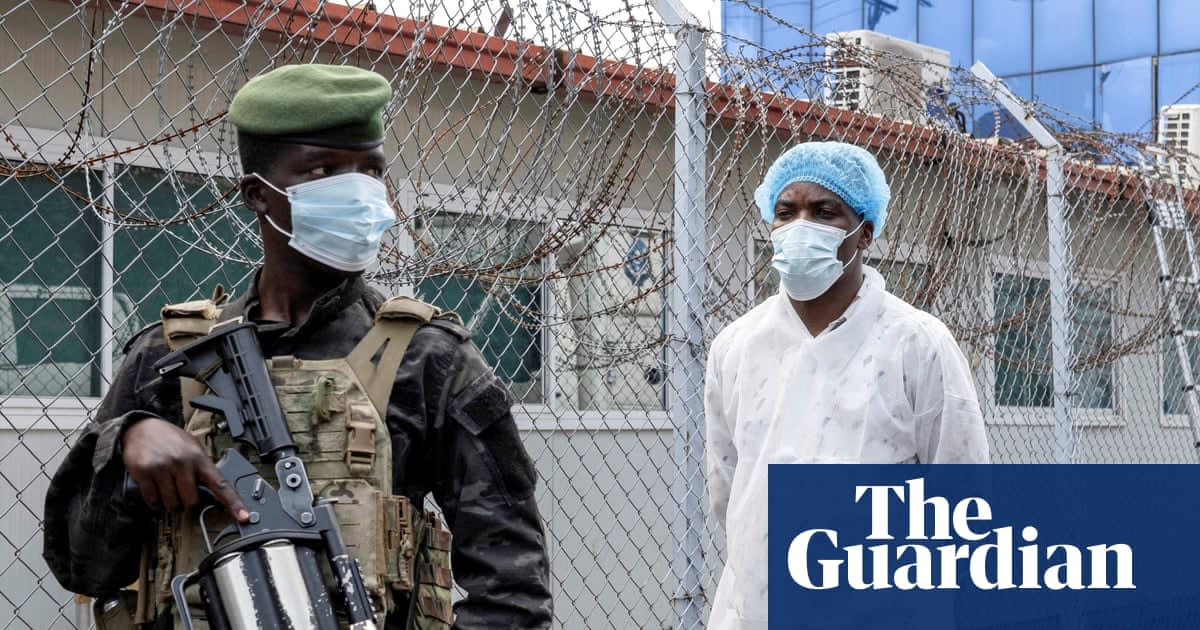
Seven American aid workers are currently quarantining in Kenya following new US travel restrictions requiring citizens returning from the Congo Ebola zone to spend three weeks in a third country. The facility itself has become a point of legal and public contention in Kenya, where construction has faced local opposition and court-ordered suspensions.
The Intersection of Public Health and International Policy
The recent quarantine of seven American aid workers in Kenya marks a significant escalation in the global management of the Democratic Republic of the Congo (DRC) Ebola outbreak. These individuals, who were actively engaged in frontline efforts to contain the virus, now find themselves subject to a stringent US government policy. Under these new regulations, American citizens returning from the DRC are mandated to undergo a three-week observation period in a third country before they are permitted to re-enter the United States. This policy represents a proactive, albeit controversial, attempt by the US to mitigate the risk of domestic transmission while still facilitating the essential international aid response in the Congo.
The Role of the Kenyan Isolation Facility
The isolation facility in Kenya serves as the central hub for this new quarantine protocol. As the first group to utilize this site, these seven aid workers have inadvertently become the focus of a complex geopolitical and legal struggle. The facility was established to provide a controlled environment for monitoring potential exposure to Ebola, yet its presence has ignited substantial pushback from the local Kenyan population. Public apprehension regarding the proximity of the facility to local communities has fueled a debate over sovereignty, safety, and the ethics of hosting international quarantine zones.
Legal Challenges and Regulatory Friction
Beyond the health implications, the project has triggered a significant legal crisis. A Kenyan court has formally ordered the suspension of work on the facility, citing concerns over the lack of transparency and potential public health risks to the local area. Despite these judicial directives, satellite imagery and statements from US officials indicate that construction has continued, suggesting a profound disconnect between the international objectives of the US government and the local governance of the host nation. This friction highlights the difficulty of executing rapid-response public health infrastructure in foreign jurisdictions during an epidemic.
Broader Implications for Global Health Response
The situation underscores a recurring dilemma in global health security: the tension between protecting domestic borders and supporting global containment efforts. By mandating a third-country quarantine, the US is attempting to balance its duty to provide aid in the Congo with its responsibility to maintain domestic safety. However, the resulting logistical and legal hurdles in Kenya demonstrate that such policies cannot be implemented in isolation. The reliance on third-country facilities necessitates a high degree of diplomatic coordination that, if missing, can lead to the kinds of local resistance and legal entanglements currently seen in Kenya.
Future Trends in Pandemic Preparedness
Looking ahead, this event sets a precedent for how nations might handle the return of personnel from high-risk health zones. As global connectivity continues to increase, the reliance on third-party quarantine infrastructure may become more common, necessitating clearer international protocols. Future efforts will likely need to prioritize local community engagement and legal compliance to avoid the administrative stalemates that have plagued this project. The resolution of this situation will serve as a critical case study for international health organizations aiming to balance urgent humanitarian aid with the complexities of national sovereignty and public health policy.