Sexual assaults happening almost every day in Ceuta, prosecutors say
Source Entity
BBC News
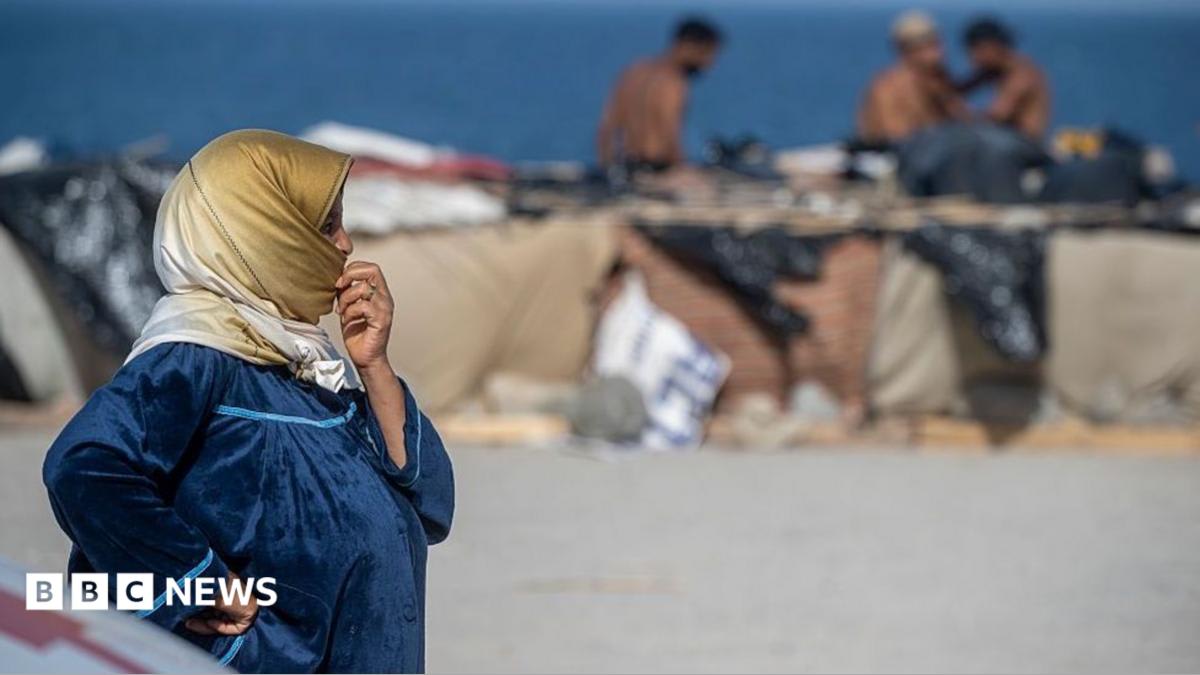
Spanish prosecutors report a surge in sexual assaults in Ceuta following a mass migrant influx from Morocco. With 23 cases recorded since late July, the incident has sparked significant civil unrest and a political crisis for Prime Minister Pedro Sánchez.
The Ceuta Humanitarian and Security Crisis
The Spanish exclave of Ceuta, a small territory located on the North African coast, is currently grappling with a severe humanitarian and security crisis. Following a massive influx of roughly 72,000 migrants who crossed the border from Morocco on July 30 and 31, the city has faced unprecedented social strain. While the majority of these individuals have returned to Morocco, approximately 5,000 migrants remain within the city, creating a volatile environment that has drawn international attention to the fragility of Europe’s southern borders.
Escalating Criminality and Vulnerability
Spanish authorities have sounded the alarm regarding the safety of the migrant population, specifically citing a surge in sexual violence. Chief Prosecutor Silvia Rojas has confirmed that 23 sexual assaults have been recorded in the territory since the influx began, with nine of those cases involving children. This statistic translates to a harrowing rate of nearly one assault per day. The data highlights a critical failure in protective infrastructure, as migrant girls are identified as being at extreme risk due to their irregular status and lack of institutional oversight.
Social Unrest and Community Tensions
Beyond the criminal statistics, the presence of these 5,000 migrants has led to rising friction between the migrant population and long-term residents of Ceuta. Recent reports indicate scenes of violence and civil unrest as the small city struggles to accommodate the sudden demographic shift. The juxtaposition of a vulnerable migrant population and a stressed local community has created a powder keg effect, threatening the social cohesion of the autonomous city and forcing local law enforcement to operate at maximum capacity.
The Political Fallout for Madrid
This crisis represents a significant political challenge for Spanish Prime Minister Pedro Sánchez. The situation in Ceuta is not merely a local policing issue but a high-stakes diplomatic and domestic policy dilemma. Sánchez has been forced to convene emergency meetings to address the instability, as the government faces pressure to maintain border security while upholding human rights obligations. The inability to quickly stabilize the region reflects the broader difficulties European nations face in managing irregular migration flows.
Future Implications for Border Governance
Looking forward, the events in Ceuta underscore the urgent need for enhanced cooperation between Spain and Morocco regarding border management. The vulnerability of minors and the frequency of violent crimes reported by prosecutors suggest that the current temporary holding arrangements are insufficient. As the Spanish government navigates this crisis, the outcome will likely influence future migration policies and the allocation of resources for child protection and social services in border regions. Ensuring the safety of the most vulnerable remains the most pressing mandate for authorities on the ground.