Kerala Education Minister, V-Cs, condemn SFI protest against SSUS V-C; student organisation rejects allegations
Source Entity
India Latest News: Top National Headlines Today & Breaking News | The Hindu
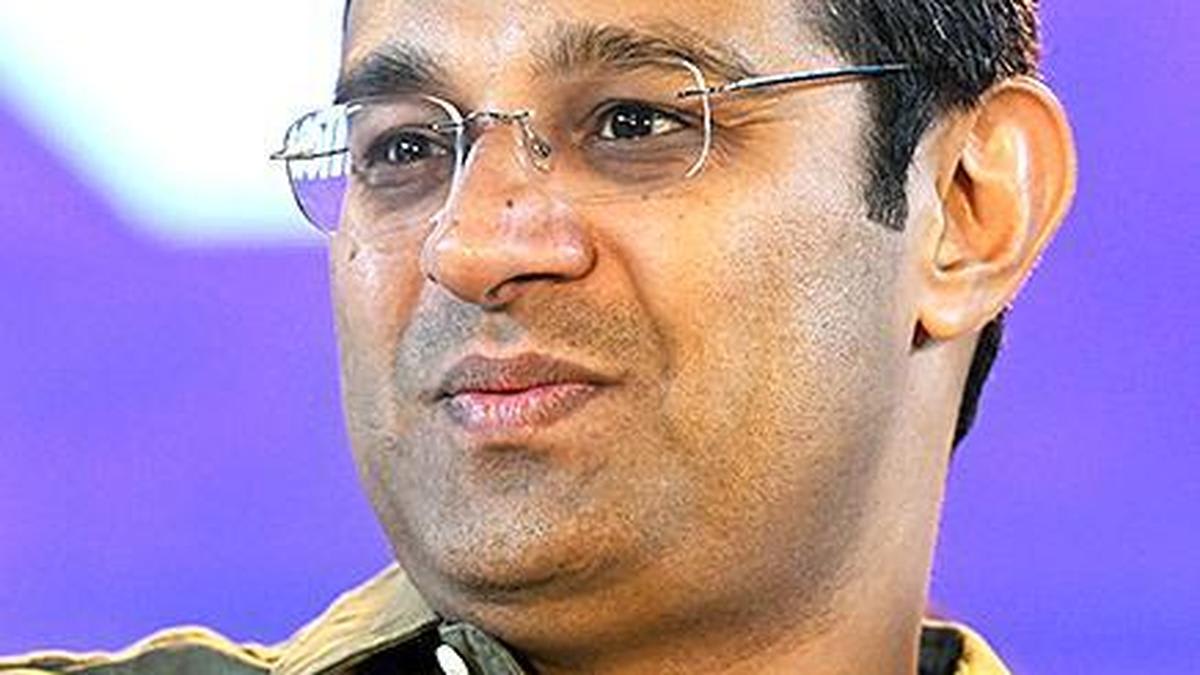
Kerala's Higher Education Minister Roji M. John has condemned an SFI protest at Sree Sankaracharya University of Sanskrit, citing alleged physical intimidation of the Vice-Chancellor. The SFI has denied accusations of staging a mock funeral, while the Minister criticized the nature of these protests.
Confrontation at Sree Sankaracharya University: An Analysis
Recent events at the Sree Sankaracharya University of Sanskrit have brought to the forefront a volatile intersection of student activism and institutional governance. Higher Education Minister Roji M. John publicly condemned the actions of the Students Federation of India (SFI), labeling their protest against Vice-Chancellor Ciza Thomas as "uncivilised." This incident, occurring during a Syndicate meeting on Thursday, has sparked a significant debate regarding the boundaries of student dissent within academic spaces in Kerala.
Allegations and Denials
Central to the controversy is the specific nature of the protest. While Minister John alleged that activists attempted to physically assault the Vice-Chancellor, the SFI has vehemently rejected claims that they staged a mock funeral for the official. This discrepancy in the narrative highlights a deepening rift between university administration and student organizations, where the definition of appropriate protest methods remains a point of intense contention.
The Minister’s Call for Introspection
Minister Roji M. John’s remarks serve as a broader critique of the Left front’s political culture. By questioning whether such protests align with the Left's stated goal of modernizing its approach to activism, the Minister is putting pressure on the organization to evolve. The Minister’s assertion that these actions are "uncivilised" suggests a growing intolerance within the state government for protests that disrupt the administrative functioning of higher education institutions.
Governance and Student Demands
Beyond the behavioral critique, the Minister redirected the focus toward substantive issues, questioning why activists failed to leverage their voices to address legitimate grievances such as facility shortages. This shift in discourse reveals a strategic attempt to delegitimize the protest by contrasting the "disruptive" nature of the SFI’s actions with the urgent, unaddressed needs of the student body. It underscores a fundamental tension: when protests prioritize political signaling over policy-based advocacy, they risk losing institutional and public support.
Implications for Academic Autonomy
This incident is indicative of a wider trend in Kerala’s academic landscape, where the relationship between university leadership—often appointed through political processes—and student unions is frequently marked by friction. The vulnerability of Vice-Chancellors to student-led agitation raises critical questions about the autonomy of academic institutions and the safety of administrators tasked with navigating these high-pressure environments.
Future Trends in Student Activism
Looking forward, the fallout from this protest will likely influence how political parties in Kerala manage their student wings. If the government continues to prioritize administrative stability over traditional militant protest tactics, we may see a shift toward more formalized, albeit less visible, methods of campus negotiation. The challenge remains for student organizations to balance their role as watchdogs of the administration with the necessity of maintaining a constructive academic environment.
Verification Required?