Why India’s biggest elected religious body hasn’t conducted polls in 15 years
Source Entity
Kamaldeep Singh Brar
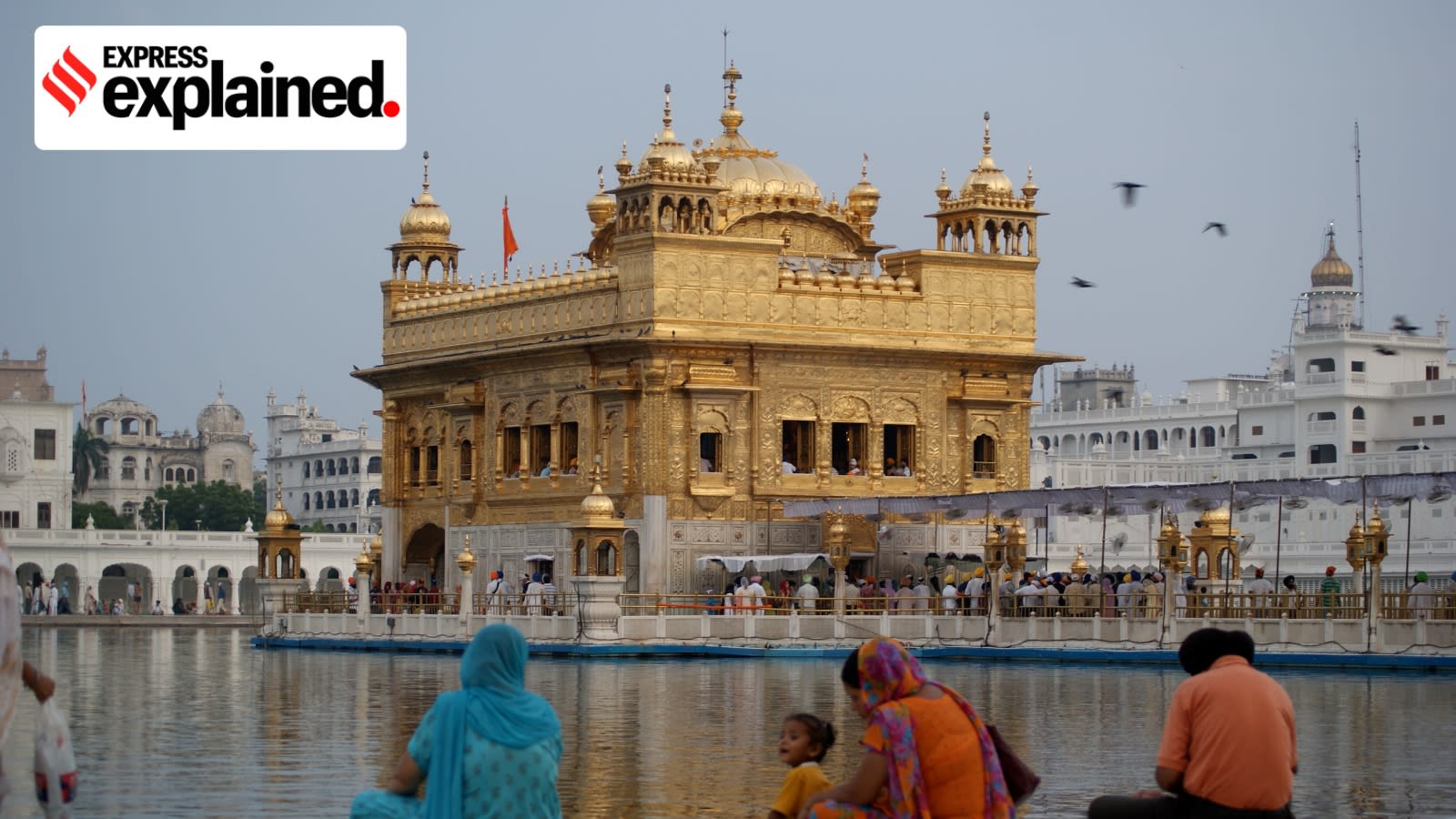
The Shiromani Gurdwara Parbandhak Committee (SGPC) faces scrutiny for failing to hold elections for 15 years, despite its critical role in managing historic Sikh shrines. This delay impacts the democratic representation of the 'mini-Parliament of Sikhs' and its significant influence on regional politics.
The Democratic Stagnation of the SGPC
The Shiromani Gurdwara Parbandhak Committee (SGPC) stands as one of the most influential religious institutions in India. Best known for managing historic sites like the Golden Temple in Amritsar, its authority is derived from the Sikh Gurdwaras Act of 1925. As a statutory body, it governs the vast financial resources, properties, and administrative functions of numerous gurdwaras, making it a powerful entity that is often referred to as the “mini-Parliament of Sikhs.”
The Mandate of Representation
At its core, the SGPC is designed to be a representative body. Its General House is structured to be elected directly by the Sikh electorate, known as the Sangat. The assembly is composed of 170 elected members representing constituencies across Punjab, Haryana, Himachal Pradesh, and Chandigarh, supplemented by 15 nominated members from across India and six ex-officio members, including the Jathedars of the five Takhts. This structure ensures that the administration of sacred spaces remains rooted in the will of the community.
The Crisis of the 15-Year Delay
Despite this robust democratic framework, the SGPC has not conducted elections in 15 years. This prolonged hiatus raises significant questions regarding governance, accountability, and the legitimacy of the current leadership. When a statutory body responsible for managing major religious institutions operates without a fresh mandate from its constituents for over a decade, it risks distancing itself from the very Sangat it is sworn to serve, leading to concerns about the erosion of democratic norms within the institution.
Political Implications and Influence
The impact of the SGPC extends far beyond religious management. Because of its control over resources and its reach across multiple states, the committee acts as a heavyweight in regional politics. Historically, the composition of the SGPC General House has been a barometer for political influence in Punjab. The lack of elections effectively freezes the political status quo, preventing new voices from emerging and potentially insulating the existing power structure from the changing aspirations of the Sikh electorate.
Future Trends and Institutional Reform
The ongoing delay in polls poses a challenge to the future of Sikh institutional governance. As the Sangat continues to evolve, the demand for transparency and accountability will likely intensify. Without a return to the electoral process mandated by the 1925 Act, the SGPC faces the risk of a legitimacy crisis that could undermine its ability to effectively manage the spiritual and material affairs of the gurdwaras under its jurisdiction.
Conclusion
The 15-year electoral void within the SGPC serves as a stark reminder of the complexities inherent in managing religious institutions through statutory frameworks. While the committee continues to function, the absence of a democratic mandate threatens its foundational purpose. Ensuring the restoration of the electoral process is not merely a bureaucratic requirement, but a necessary step to honor the democratic spirit of the Sikh Gurdwaras Act and maintain the trust of the community it represents.