Shabana Azmi asks Sonam Wangchuk to end hunger strike: ‘Ladai aage tak ladni hai’
Source Entity
The Indian Express
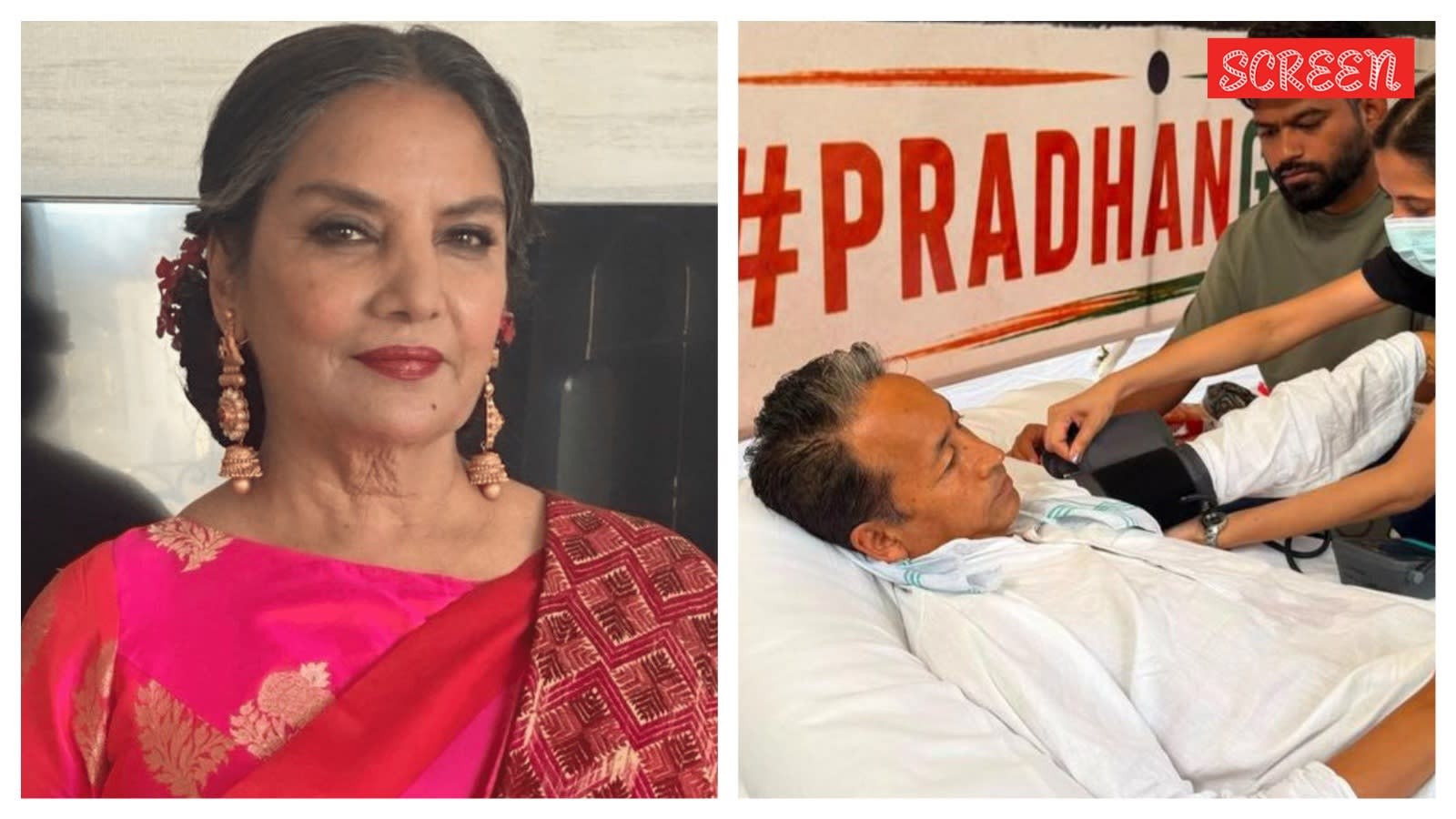
Veteran actress Shabana Azmi, along with other prominent Bollywood figures, has expressed support for Sonam Wangchuk's hunger strike for Ladakh's rights, with Azmi urging him to end the fast to ensure he remains healthy enough to sustain the long-term political struggle.
Cinema and Activism: The Convergence of Support for Ladakh
The intersection of the Indian film industry and grassroots political activism has once again come to the forefront as veteran actress Shabana Azmi, alongside other cinematic luminaries such as Naseeruddin Shah, Zeenat Aman, and Ratna Pathak, have voiced their support for Sonam Wangchuk. Wangchuk, a renowned innovator and educator from Ladakh, has undertaken a hunger strike to draw national attention to the fragile ecological and political state of the Ladakh region. The involvement of these high-profile figures transforms a regional protest into a national conversation, leveraging the cultural capital of Bollywood to amplify the demands of a geographically isolated population.
The Core of the Conflict: Ladakh's Quest for Autonomy
To understand the gravity of the situation, one must look at the underlying demands driving Wangchuk's fast. The primary focus is the inclusion of Ladakh in the Sixth Schedule of the Indian Constitution. This designation would provide tribal areas with greater autonomy, allowing local bodies to make laws regarding land, forests, and water, thereby protecting the region's unique cultural identity and fragile Himalayan ecosystem from unregulated industrialization and external exploitation. The demand for full statehood further underscores the region's desire for a more direct and representative voice in governance, moving away from the current administrative structure that many locals feel is insufficient for their specific needs.
Analyzing the Strategy of 'Sustainable Resistance'
Shabana Azmi's specific appeal—'Ladai aage tak ladni hai' (The fight must be fought further)—introduces a critical nuance to the discourse on protest. While hunger strikes are powerful tools of non-violent resistance designed to create immediate moral pressure on the state, they carry immense physical risks. Azmi's intervention suggests a shift in strategy from the 'politics of desperation' to the 'politics of sustainability.' By urging Wangchuk to prioritize his health, she emphasizes that the struggle for Ladakh's rights is a marathon rather than a sprint, and the movement requires its most influential leaders to be physically and mentally resilient for the long haul.
The Role of Celebrity Amplification in Modern Protests
The support from actors like Omi Vaidya, Naseeruddin Shah, and others serves as a force multiplier. In a digital age where news cycles are rapid and fragmented, the endorsement of celebrities ensures that the issues of Ladakh penetrate urban centers and social media algorithms that might otherwise overlook remote regional grievances. This synergy between the artistic community and grassroots activists creates a visibility shield around the protester, making it more difficult for the administration to ignore the demands or dismiss the movement as a fringe concern. It reflects a long-standing tradition in India where the intelligentsia and artists align with social movements to challenge systemic inertia.
Historical Context and the Gandhian Legacy
Wangchuk's choice of a hunger strike is deeply rooted in the Gandhian tradition of Satyagraha, which has historically been a potent weapon in Indian political history. By adopting this method, Wangchuk is not just making a political demand but is engaging in a moral appeal to the conscience of the nation. However, the tension between the urgency of the ecological threat in Ladakh—characterized by melting glaciers and unpredictable weather patterns—and the slow pace of bureaucratic response creates a volatile environment. The hunger strike acts as a catalyst, attempting to force a timeline on a government that has previously been slow to act on the Sixth Schedule promises.
Future Implications and Predicted Trends
Looking forward, the pressure exerted by both the hunger strike and the celebrity-led advocacy is likely to force the central government toward a more concrete dialogue with the people of Ladakh. While the government may be hesitant to grant full statehood immediately, the visibility of the movement increases the probability of interim protections or a specialized administrative framework. The trend suggests that local environmental and indigenous rights movements will increasingly seek alliances with national cultural icons to bypass traditional media gatekeepers and reach a wider demographic, ensuring that the 'silent' regions of the country are heard in the halls of power.
Summary
In essence, the support from Shabana Azmi and her peers for Sonam Wangchuk highlights a strategic alliance between cultural influence and political activism. While the hunger strike serves as the immediate emotional and moral trigger, the call for a sustainable struggle ensures that the movement for Ladakh's autonomy remains viable. The event underscores the critical need for constitutional safeguards in ecologically sensitive zones and the enduring power of non-violent protest in the Indian democratic fabric.