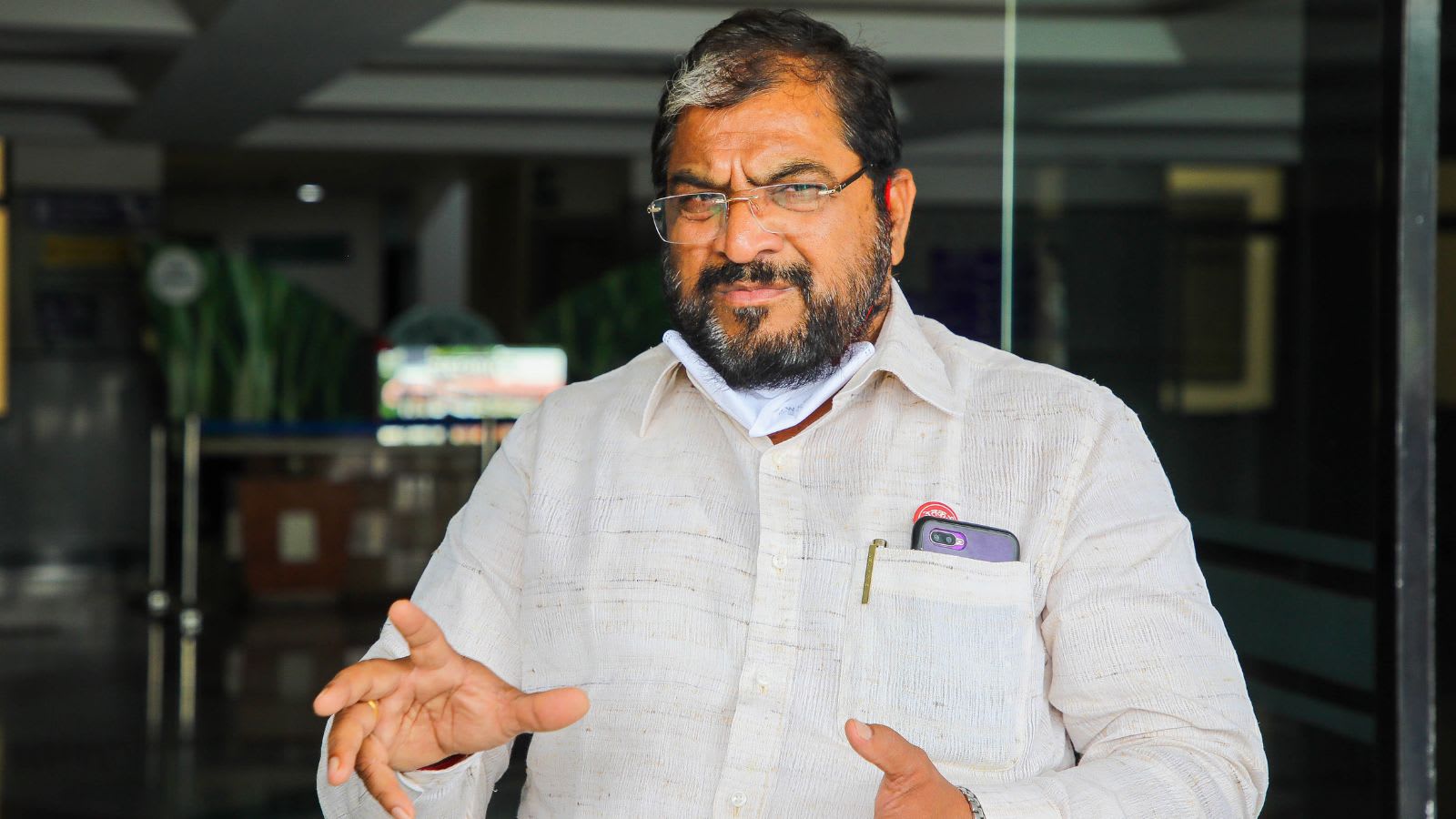
Farmer leader Raju Shetti, Mahadev Jankar picked up by Delhi police
Source Entity
The Indian Express
Haryana Police have sealed the Shambhu border and detained several farmer leaders to prevent a march to New Delhi. The protesters are demonstrating against a proposed India-U.S. trade deal, citing concerns over its potential impact on the agricultural sector.
Tensions Escalate at Shambhu Border Amid Trade Deal Protests
The Brewing Conflict
The recent escalation at the Shambhu border, where Haryana Police have effectively sealed the entry points between Punjab and Haryana, marks a significant moment in the ongoing friction between organized farmer unions and the state administration. The primary catalyst for this unrest is the proposed India–United States trade deal, an agreement that has triggered widespread apprehension among agricultural stakeholders. The decision to seal the border and deploy approximately 15 companies of security forces, including paramilitary units, underscores the state's intent to prevent a massive mobilization toward the national capital.
Democratic Rights vs. Public Order
The detention of prominent farmer leaders, including Raju Shetti of the Swabhimani Shetkari Sanghatana and Mahadev Jankar of the Rashtriya Samaj Paksh, highlights the recurring tension between the right to peaceful assembly and the government's mandate to maintain public order. Leaders have voiced strong grievances, labeling these detentions as an infringement upon their democratic rights. By picking up leaders directly from sites like Kisan Ghat, the authorities have effectively decapitated the immediate protest movement, leaving many participants in the dark regarding the whereabouts of their representatives.
Tactical Barriers and Logistical Impact
The physical response from the Haryana Police has been comprehensive, involving the installation of multi-layer barricades and the placement of heavy cement blocks on the bridge over the Ghaggar river. These defensive measures, while effective in halting the movement of vehicles and buses, have also caused significant disruptions to regional transit. The Ambala police have been forced to issue traffic advisories, urging commuters to seek alternative routes, which reflects the broader economic and logistical costs that such standoffs impose on the general public.
The Role of 'Desh Bachao Morcha'
Operating under the banner of the 'Desh Bachao Morcha,' the farmers have framed their protest as a vital defense of national interest against international trade policies. Coordinator Sarwan Singh Pandher has articulated the farmers' desire for a peaceful rally, contrasting this with the heavy-handed approach of the BJP-led Haryana government. This ideological divide suggests that the farmers believe the proposed trade deal could fundamentally alter the landscape of Indian agriculture, potentially favoring foreign corporate interests over local producers.
Future Trends and Resolution
While this specific episode concluded with the farmers announcing their return following an assurance that their demands would be relayed to the Centre, the underlying issues remain unresolved. The cyclical nature of these protests suggests that as long as trade negotiations remain opaque to the farming community, the risk of future mobilizations remains high. The reliance on heavy policing to manage agricultural discontent represents a short-term containment strategy, but long-term stability will likely depend on the government's ability to engage in transparent dialogue regarding the specific provisions of the India-U.S. trade agreement and its potential impact on rural livelihoods.
Multiple Citing Sources