Sharad Navratri Day 3 of 2026: Why devotees worship Maa Chandraghanta and what she brings for spiritual seekers
Source Entity
Latest News: Todays Latest News Headlines from India & World | Hindustan Times | Hindustan Times
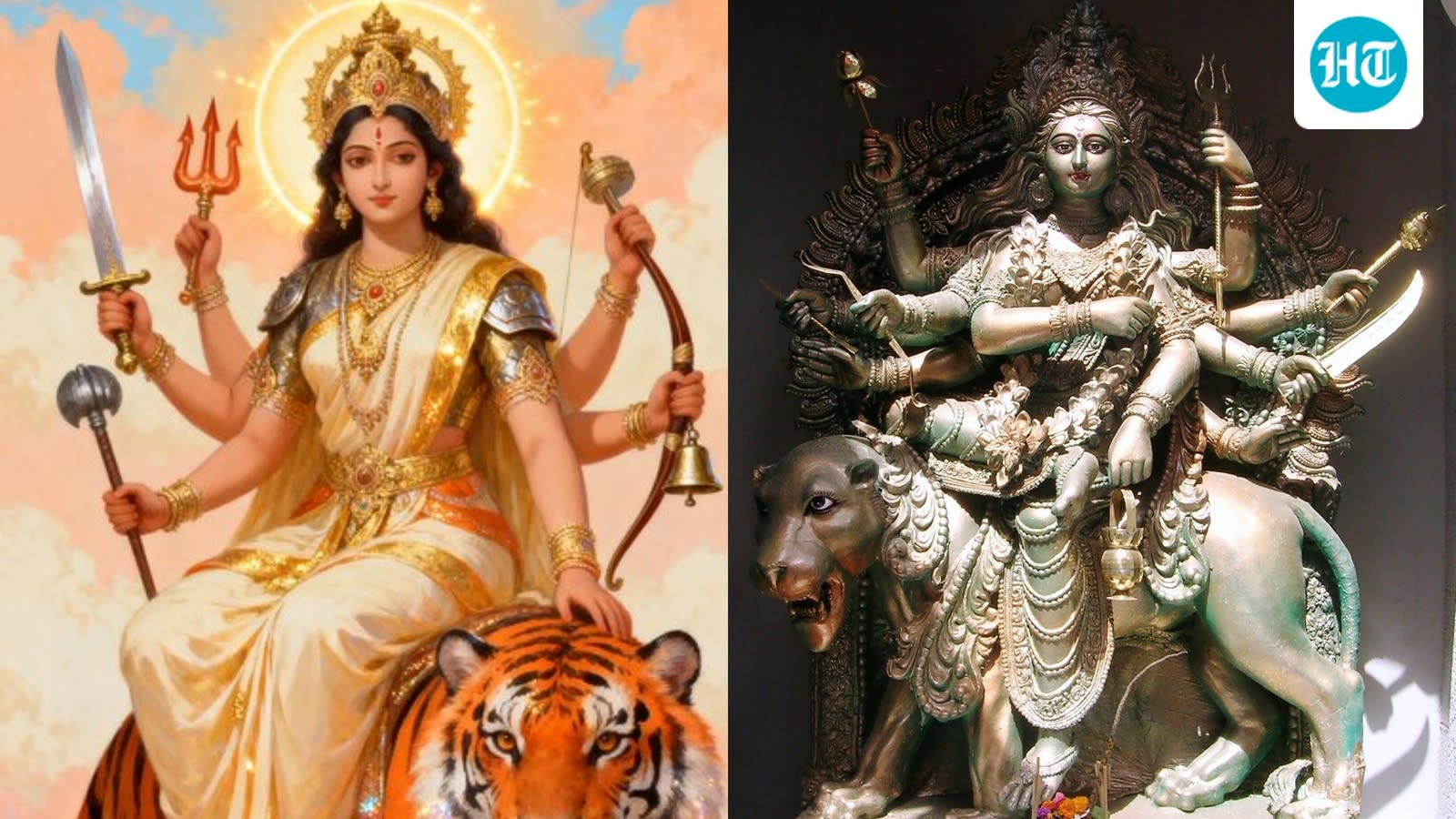
Sharad Navratri 2026 continues with the worship of Maa Chandraghanta and Maa Kushmanda, emphasizing inner strength, boundaries, and the importance of joy. Vedic astrologer Poonam Dutta highlights these days as spiritual opportunities for self-reflection and emotional well-being.
The Spiritual Significance of Sharad Navratri 2026
Sharad Navratri, a prominent Hindu festival, continues its spiritual journey in 2026 as devotees observe the third and fourth days, dedicated to the manifestations of Goddess Durga. These days serve as a profound period for introspection, where the focus shifts from external rituals to the cultivation of internal virtues. By examining the roles of Maa Chandraghanta and Maa Kushmanda, practitioners are encouraged to align their lives with principles of courage, creative energy, and emotional self-care.
Embracing Courage with Maa Chandraghanta
On Tuesday, October 13, 2026, the focus centers on Maa Chandraghanta, the third form of the Goddess. Recognized by the crescent-shaped bell on her forehead, she serves as a symbol of protection and strength. Vedic astrologer Poonam Dutta notes that the spiritual essence of this day is deeply tied to finding one's inner voice. By setting healthy boundaries and quieting the mental noise that often impedes personal growth, devotees are encouraged to face life's challenges with newfound resolve. The symbolism of her bell is particularly significant, as it is traditionally believed to clear negative influences from one's environment.
The Creative Energy of Maa Kushmanda
Following the third day, Wednesday, October 14, 2026, marks the worship of Maa Kushmanda, the fourth form of Durga. Legend dictates that she created the universe with her divine smile, embodying the power of warmth and new beginnings. This day acts as a spiritual reminder that joy is an essential component of existence, even amidst hardship. For many, this transition from the protective strength of Chandraghanta to the creative joy of Kushmanda represents a holistic approach to spiritual development.
Redefining Self-Care and Rest
One of the most poignant teachings provided by Poonam Dutta regarding Maa Kushmanda is the necessity of self-care. In a modern context where productivity is often conflated with worth, the message to stop treating rest as something that must be 'earned' is revolutionary. This perspective encourages devotees to acknowledge the positive aspects of their lives and accept support, fostering a healthier psychological state that mirrors the divine warmth associated with the Goddess.
Historical Context and Future Trends
Navratri has long served as a vital cultural anchor, bridging ancient Vedic traditions with the psychological needs of contemporary society. The growing trend of integrating astrological guidance—such as the insights provided by BV Astro—with traditional observance suggests that practitioners are increasingly seeking practical, applicable wisdom from these rituals. As we look toward the future, these festival days are likely to remain significant touchstones for individuals seeking to balance the pressures of modern life with the timeless pursuit of spiritual clarity and emotional resilience.
Multiple Citing Sources
Verification Required?