‘Deeply shocking’: Sharad Pawar on closure of 36,000 industrial units in Maharashtra
Source Entity
Manoj Dattatrye More
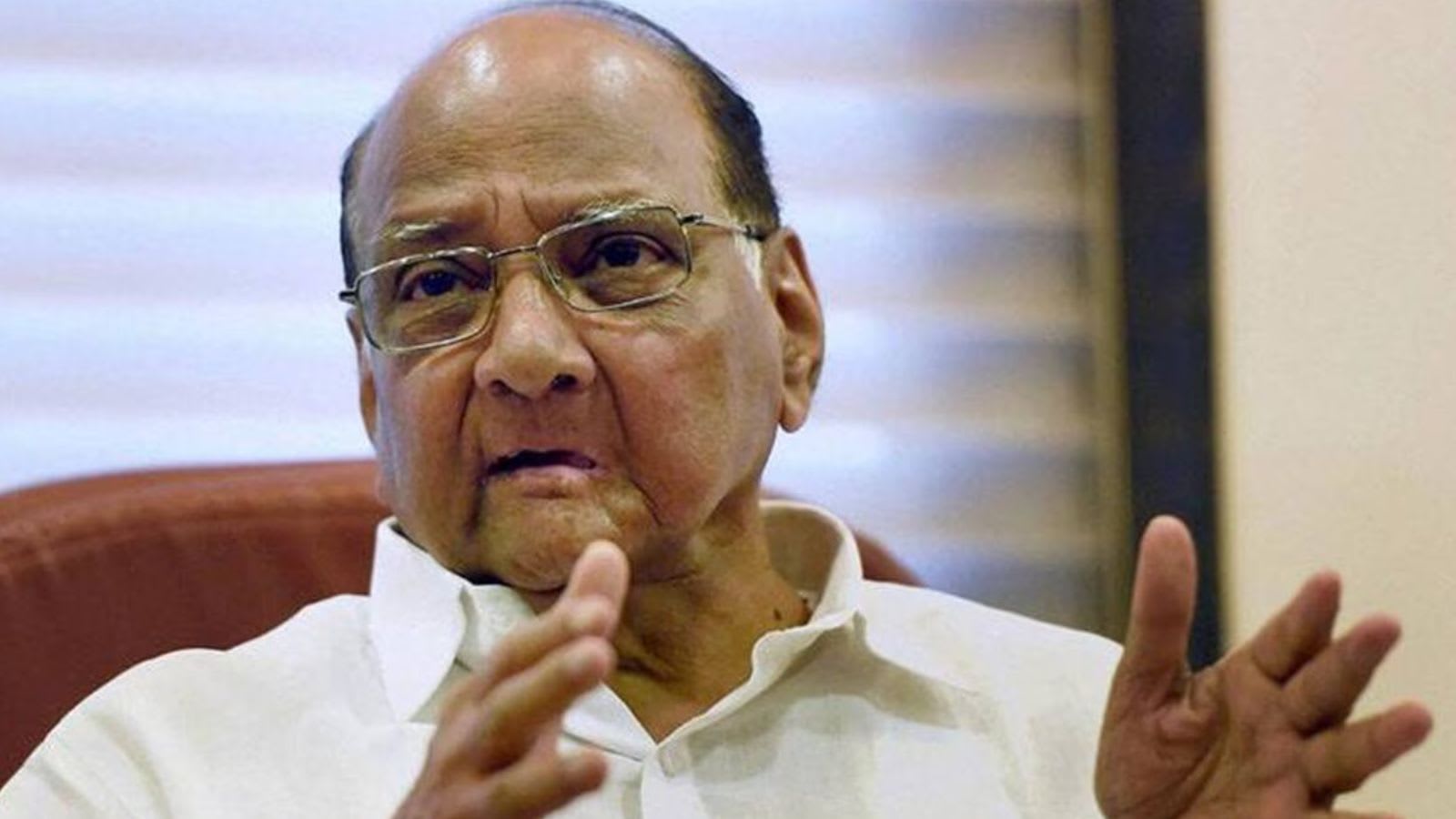
NCP (SP) chief Sharad Pawar has expressed deep concern over the closure of over 36,000 industrial units in Maharashtra. He has urged the state government to implement a 'Single Window' system to address industrial grievances and curb further migration of businesses.
The Industrial Crisis in Maharashtra: A Deep Dive
A Concerning Trend of Deindustrialization
National Congress Party (SP) chief Sharad Pawar has sounded a significant alarm regarding the state of Maharashtra’s industrial landscape. The revelation that over 36,000 private companies have shuttered their operations within the last five years has sent ripples through the state's political and economic circles. This data, officially confirmed by Union Minister of State for Corporate Affairs Harsh Malhotra during the monsoon session of Parliament, highlights a systemic vulnerability that threatens Maharashtra's long-standing status as an industrial powerhouse.
The Migration of Economic Power
Beyond the raw statistics of company closures, the migration of 20 industrial units specifically from the Chakan industrial belt serves as a microcosm of the broader issue. Chakan has historically been a critical hub for manufacturing and automotive engineering; seeing businesses depart from such a strategic location suggests that the current regulatory or economic environment is failing to retain high-value enterprises. Such migrations are not merely logistical shifts; they signify a loss of competitive advantage and signal that regional rivals may be offering more attractive incentives or operational stability.
The Call for Structural Reform
In response to these findings, Sharad Pawar has advocated for immediate, high-level intervention from the Devendra Fadnavis-led state government. His proposal for a dedicated ‘Single Window’ system is a direct critique of the bureaucratic friction that often hampers industrial growth. By centralizing the resolution of grievances, Pawar argues the state could prevent further closures and restore confidence among entrepreneurs who currently feel alienated by the existing administrative framework.
The Invisible Human Cost
One of the most alarming aspects of this crisis, as noted by the parliamentary data, is the complete lack of information regarding the resulting job losses. The government’s failure to track the human impact of these 36,211 company closures reveals a significant gap in economic policy oversight. Without granular data on workforce displacement, the state remains unable to formulate effective social safety nets or re-skilling programs, leaving thousands of workers in a precarious limbo.
Future Outlook and Implications
As Maharashtra faces these compounding challenges, the future of its industrial policy remains at a crossroads. If the state government fails to address the underlying causes—be it infrastructure bottlenecks, regulatory hurdles, or tax competitiveness—it risks a sustained decline in its GSDP contribution. The coming months will be critical, as the political discourse surrounding these closures is likely to intensify, forcing the government to either pivot toward more business-friendly reforms or risk further erosion of its industrial base.