2020 Delhi riots case: Sharjeel Imam gets interim bail for seven days
Source Entity
India Latest News: Top National Headlines Today & Breaking News | The Hindu
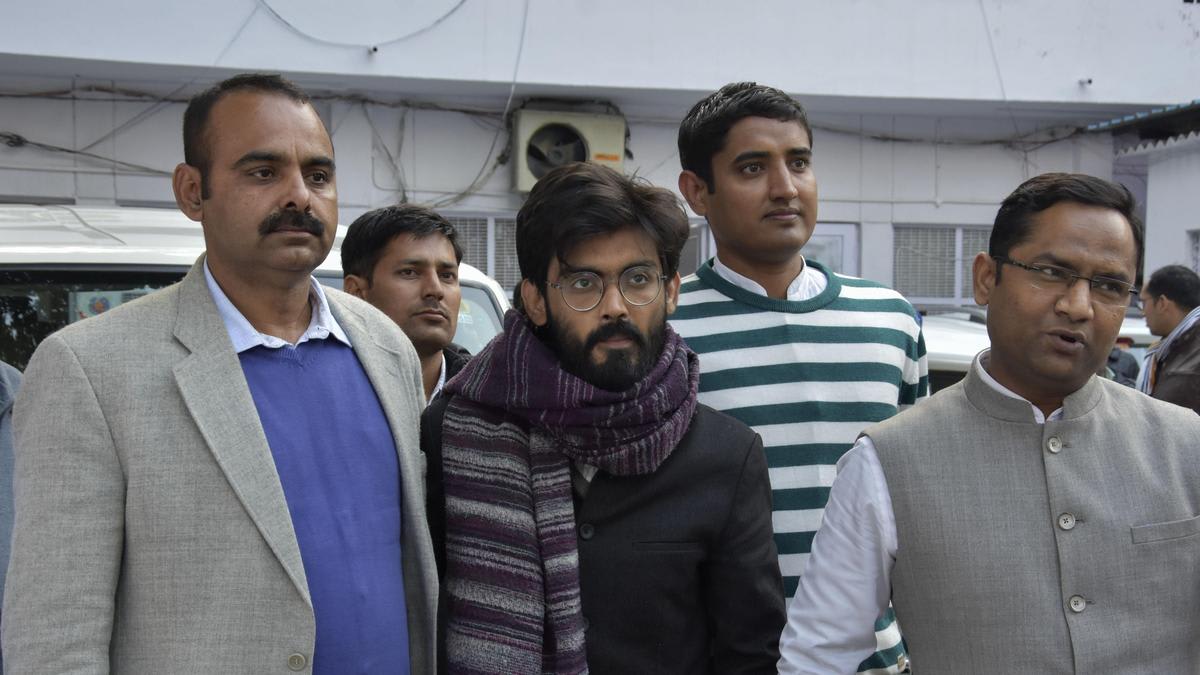
A Delhi court has granted activist Sharjeel Imam a seven-day interim bail from October 4 to October 10 to attend his cousin's wedding. Imam remains a key accused in the 2020 Northeast Delhi riots larger conspiracy case involving UAPA charges.
Legal Developments in the 2020 Delhi Riots Case
On September 22, 2026, a Delhi court granted a significant, albeit temporary, legal reprieve to activist Sharjeel Imam. Additional Sessions Judge Sameer Bajpai approved a seven-day interim bail for Imam, scheduled from October 4 to October 10, specifically to facilitate his attendance at a family wedding. This development marks a notable procedural moment in the ongoing, protracted legal proceedings concerning the 2020 Northeast Delhi riots.
The Legal Context of the Conspiracy Case
Sharjeel Imam, along with other high-profile figures such as Umar Khalid, has been incarcerated under the Unlawful Activities (Prevention) Act (UAPA) and various sections of the Indian Penal Code (IPC). The core of the prosecution's case revolves around allegations that these individuals were the "masterminds" behind a larger conspiracy that fueled the widespread violence in February 2020. This violence, which occurred in the wake of intense protests against the Citizenship (Amendment) Act (CAA) and the National Register of Citizens (NRC), resulted in 53 fatalities and hundreds of injuries.
Prosecution Stance and Judicial Hurdles
The granting of this interim bail follows a rigorous legal back-and-forth. The Delhi Police have consistently opposed bail for Imam, maintaining that his alleged role as a primary conspirator necessitates continued judicial custody. In their arguments before the Delhi High Court and trial courts, the police have leaned heavily on judicial precedents, specifically citing a January Supreme Court ruling that denied bail to both Imam and Khalid while granting relief to other co-accused in the same investigation.
Procedural Nuances and Due Process
The path to this temporary release involved multiple legal stages, including the Delhi High Court issuing notices to the Delhi Police regarding Imam's initial pleas. The court's decision to grant a week of interim bail reflects a specific, narrow exercise of judicial discretion, distinguishing between the merits of the ongoing conspiracy trial and the humanitarian considerations of a family engagement. By setting strict dates—October 4 to October 10—the court has ensured that the release is time-bound and strictly conditional.
Broader Implications and Future Trends
This event highlights the complex intersection of personal rights and national security legislation in India. As the case continues to move through the judicial system, the distinction between permanent bail and temporary humanitarian relief remains a critical point of contention. The ongoing reliance on the UAPA in the 2020 riot cases suggests that the legal battle over the "larger conspiracy" charges will likely remain a long-term fixture in the Indian judicial landscape, with future court hearings expected to further clarify the evidentiary threshold for such serious charges.
Conclusion
In summary, while Sharjeel Imam has been granted a brief window of freedom for a family event, the underlying legal challenges regarding his alleged role in the 2020 riots persist. The court's decision serves as a reminder of the procedural complexities inherent in high-stakes UAPA cases, where the balance between individual liberty and the state's pursuit of accountability remains a subject of intense scrutiny.
Multiple Citing Sources
Verification Required?