Gurugram collapses in rains while Greater Noida planned for 30-40 years: SC
Source Entity
YASHASVI VASISTHA
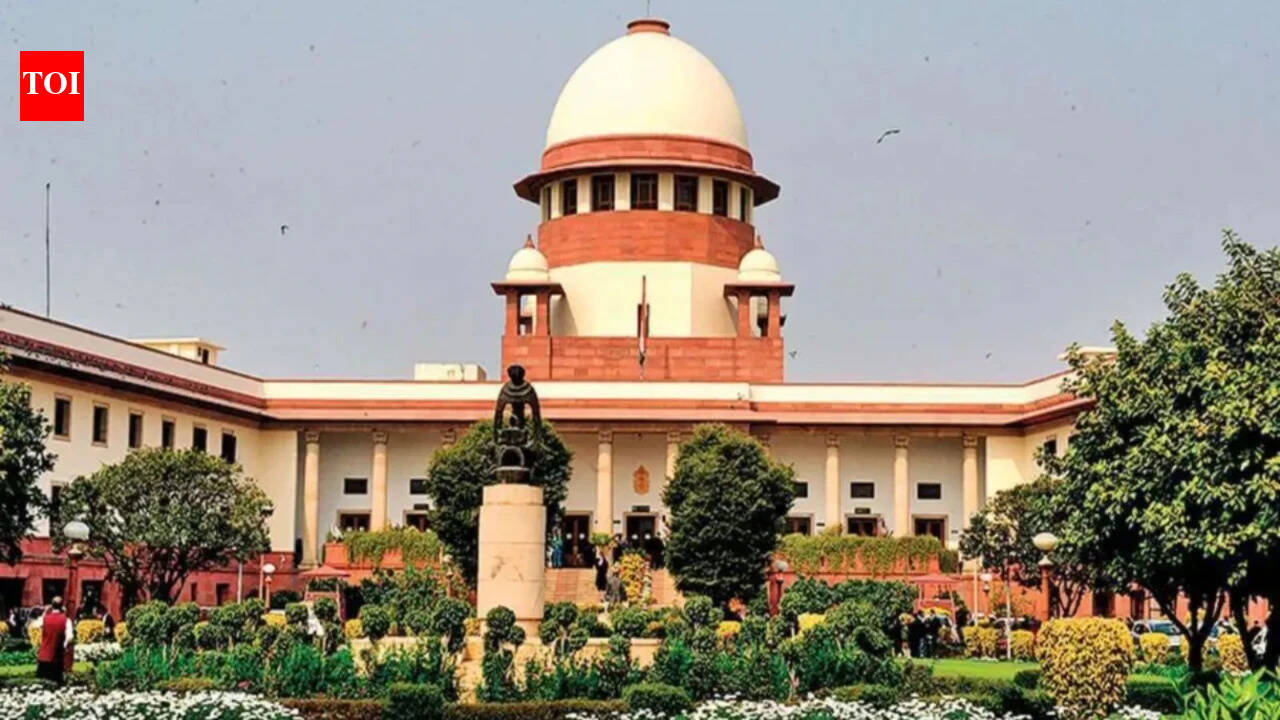
The Supreme Court has questioned the unplanned urban growth in Gurugram while reviewing a challenge to Karnataka's Premium Floor Area Ratio (FAR) scheme. The Court mandated that the scheme must not be used to regularize illegal constructions pending a final judicial verdict.
Urban Planning and the Supreme Court’s Intervention
The Supreme Court of India has recently brought the spotlight onto the critical intersection of urban development, infrastructure resilience, and regulatory compliance. By contrasting the infrastructure failures of Gurugram during monsoon seasons with the long-term planning implemented in Greater Noida, the bench highlighted the dangers of rapid, unchecked urbanization that lacks adequate investment and foresight. This comparison serves as a stern reminder that sustainable city growth requires a multi-decade roadmap rather than reactive, piecemeal construction.
Analyzing the Premium FAR Scheme
At the heart of the current legal battle is the Premium Floor Area Ratio (FAR) scheme in Karnataka. The FAR is a critical urban planning tool that dictates the total floor area permitted in a building relative to the size of the plot. The Premium FAR scheme allows developers and property owners to purchase additional construction rights beyond the standard limits by paying a premium fee. While intended to boost urban density and generate revenue for civic bodies, critics argue it can lead to overburdened infrastructure if not managed alongside robust public services.
The Legal Standoff: Regularization vs. Compliance
The Supreme Court, led by a three-judge bench, has taken a cautious approach by issuing a notice to the Karnataka government and demanding a response within four weeks. A primary concern for the judiciary is the potential misuse of the Premium FAR scheme to effectively 'legalize' buildings that were constructed in violation of existing zoning laws. The Court has been explicit: the scheme cannot serve as a mechanism to retroactively approve unauthorized constructions, ensuring that the rule of law remains paramount in land-use policies.
The Broader Implications for Indian Cities
The tension between urban expansion and regulatory oversight is a recurring theme in India’s rapidly growing metropolitan areas. When authorities prioritize revenue-generating schemes like Premium FAR over basic infrastructure capacity, the result is often the exact type of urban collapse witnessed in Gurugram. The Court’s intervention suggests a move toward stricter judicial oversight to ensure that state governments do not trade long-term city health for short-term financial gains.
Future Trends in Urban Governance
Looking ahead, this litigation could set a national precedent for how urban density is managed. If the Supreme Court ultimately limits the scope of Premium FAR, it may force municipal corporations to prioritize planned infrastructure improvements before granting additional building rights. This shift would align with global best practices, where urban densification is strictly coupled with improvements in sewage, water, and traffic management systems.
Conclusion
The Supreme Court’s focus on the Karnataka case highlights a pivotal moment for urban governance in India. By demanding accountability and preventing the regularization of illegal structures, the judiciary is asserting that development must be orderly and sustainable. The final outcome of this litigation will likely influence how urban planning authorities across the country balance the demand for increased living space with the necessity of maintaining livable, resilient cities.