Shashi Tharoor writes: America fought a war with Iran to sign a worse deal than before
Source Entity
Shashi Tharoor
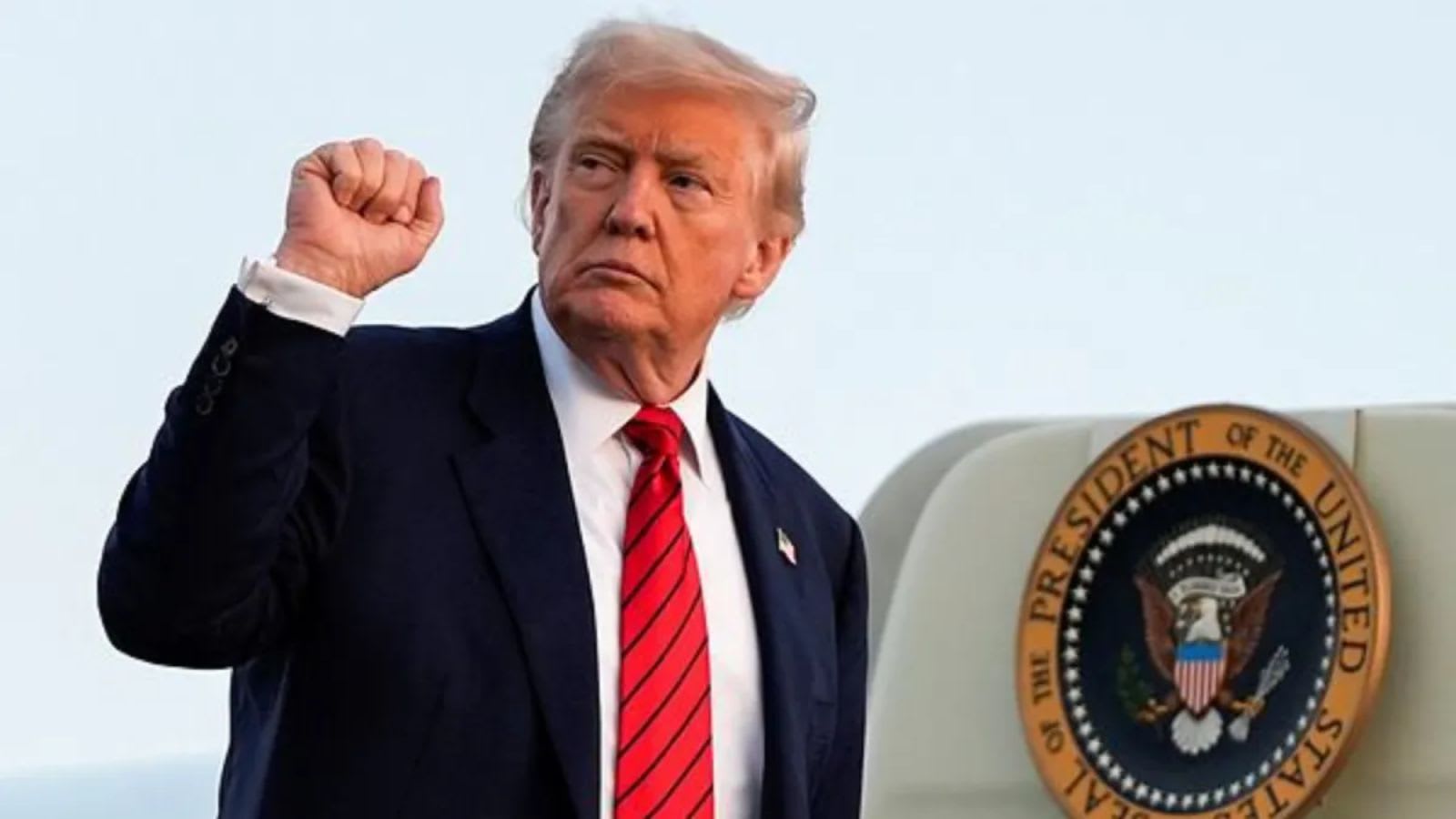
Shashi Tharoor critiques the United States' military strategy toward Iran, arguing that the escalation of tit-for-tat military operations was counterproductive and ultimately resulted in a diplomatic agreement that is inferior to previous ones.
Analysis of the US-Iran Conflict: The Paradox of Military Escalation
In a poignant critique of American foreign policy, Shashi Tharoor posits that the United States' approach toward Iran has been characterized by a strategic failure where military aggression did not translate into diplomatic leverage. The core of Tharoor's argument lies in the irony that after a period of intense military escalation and 'tit-for-tat' operations, the resulting diplomatic state is arguably worse than the baseline established by previous agreements. This narrative highlights a recurring theme in modern geopolitics: the tendency of superpowers to rely on 'hard power' to force concessions, only to find that such pressure often hardens the resolve of the adversary.
The Cycle of Tit-for-Tat Warfare
The 'tit-for-tat' military operations mentioned by Tharoor reflect a dangerous pattern of escalation that defines the current US-Iran relationship. When diplomatic channels are bypassed in favor of military signaling—such as targeted strikes or cyber warfare—it creates a feedback loop of retaliation. This cycle often obscures the original strategic objectives, turning the conflict into a performance of strength rather than a pursuit of stability. Tharoor suggests that the US may have been driven by a desire to project global dominance, demonstrating its military capabilities to the world, even if such displays provided no tangible benefit to the actual resolution of the nuclear or regional disputes.
The Diplomatic Regression
A critical point in this analysis is the claim that the US signed a 'worse deal than before.' This likely refers to the erosion of the Joint Comprehensive Plan of Action (JCPOA) and the subsequent failed attempts to replace it with a more stringent framework. By withdrawing from previous agreements and attempting to 'maximize pressure,' the US inadvertently removed the incentives for Iranian compliance. The result is a geopolitical vacuum where the US finds itself negotiating from a position of diminished moral and strategic authority, potentially accepting terms that allow Iran more latitude than the original agreements did.
Broader Implications for Global Hegemony
This specific event serves as a case study for the diminishing returns of unilateralism. Tharoor's observation underscores a shift in the global order where traditional military superiority no longer guarantees a favorable diplomatic outcome. The US effort to 'show the world' its strength may have backfired, signaling to other regional powers that military escalation is the primary language of American diplomacy. This perception encourages other nations to invest in asymmetric warfare and deterrents, further destabilizing the Middle East and complicating international efforts to maintain non-proliferation standards.
Future Trends and Strategic Shifts
Looking forward, the trajectory described by Tharoor suggests a need for a fundamental pivot in US foreign policy toward 'smart power'—a blend of diplomacy and targeted pressure. If the US continues to oscillate between extreme aggression and reluctant negotiation, it risks permanent alienation from regional stakeholders. Future trends will likely see Iran leveraging this perceived American inconsistency to strengthen its ties with Eastern powers, potentially creating a new axis of influence that further marginalizes US interests in the Persian Gulf.
Summary
Ultimately, Shashi Tharoor's analysis reveals a sobering reality: military might cannot substitute for a coherent diplomatic strategy. The US-Iran conflict demonstrates that when the goal is to 'show strength' rather than achieve a specific, sustainable objective, the result is often a strategic regression. The 'worse deal' is not just a failure of negotiation, but a symptom of a foreign policy that prioritized the optics of power over the pragmatism of peace.