Sheikh Hasina plans December 16 return, Dhaka signals only extradition route
Source Entity
AHSAN TASNIM
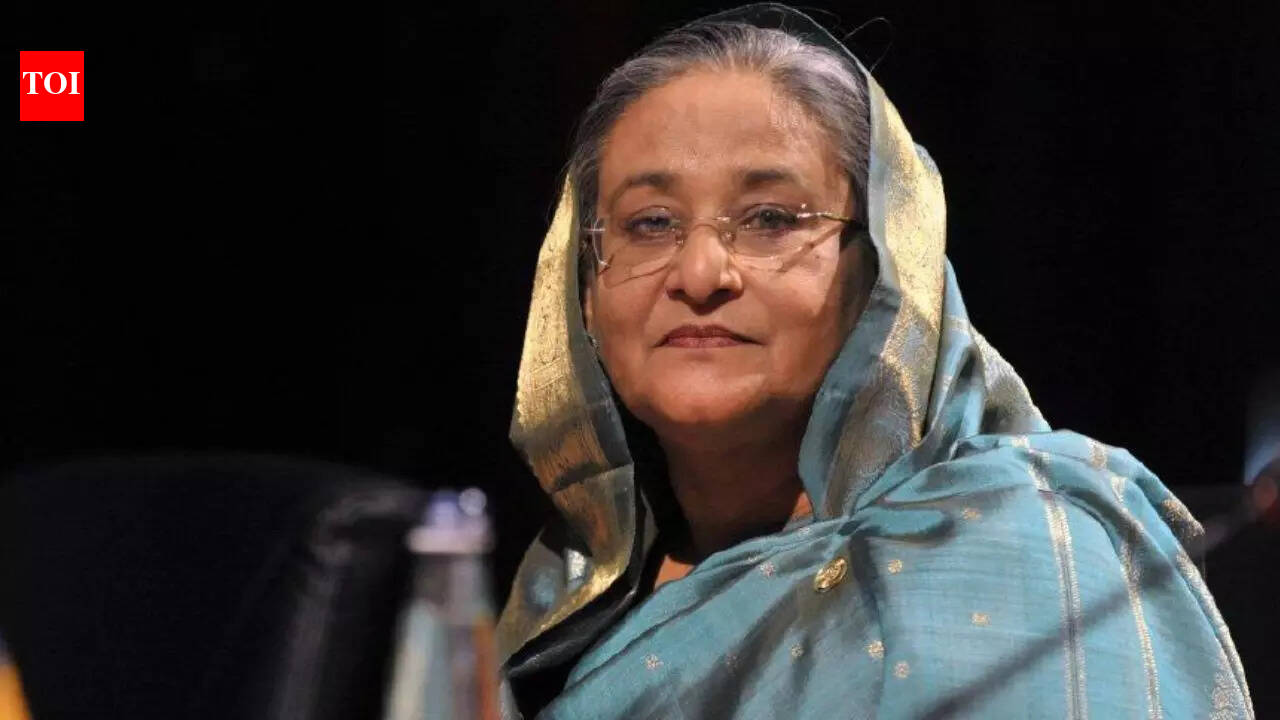
Tensions have escalated as former Bangladesh PM Sheikh Hasina plans a December 16 return, while Dhaka vows to arrest her upon arrival. Concurrently, West Bengal minister Arjun Singh has sparked diplomatic controversy by threatening to take over Bangladesh by the same date.
The Volatile Return: Sheikh Hasina and the December 16 Ultimatum
The political landscape of South Asia is currently experiencing a period of extreme volatility, centered on the anticipated return of former Bangladesh Prime Minister Sheikh Hasina. Scheduled for December 16—a date of immense symbolic significance as Bangladesh’s Independence Day—her potential homecoming has become a flashpoint for extreme rhetoric and diplomatic friction. The current administration in Dhaka has maintained a firm stance, with State Minister for Foreign Affairs Humayun Kobir clarifying that the government has made no logistics arrangements for her return. Instead, officials have indicated that if she does arrive, she will be treated strictly as a legal detainee.
The Legal and Diplomatic Standoff
The ruling government in Bangladesh has categorized the former Prime Minister as a figure who will face immediate arrest upon return. By framing her homecoming as an extradition matter, the state is signaling a rejection of her political legitimacy and emphasizing a transition toward a judicial process. This stance is further complicated by the fact that she is currently residing in India, creating a delicate diplomatic balancing act between New Delhi and Dhaka. The assertion that she would be brought back in handcuffs highlights the depth of the current administration's resolve to hold her accountable for past governance.
Escalating Rhetoric: The Arjun Singh Controversy
Adding an inflammatory layer to this crisis, West Bengal minister Arjun Singh has made highly controversial remarks regarding the future of Bangladesh. By vowing to take over the country by December 16, Singh has moved the discourse from domestic political disputes to the realm of international provocation. His rhetoric, framed as a response to the alleged killings of Hindus in Bangladesh, introduces a communal dimension to the geopolitical tension. Such statements represent an extreme departure from standard diplomatic decorum and have exacerbated the existing friction between the two nations.
Historical and Symbolic Weight
December 16 is not merely a date; it is the anniversary of Bangladesh’s victory in the 1971 Liberation War. The convergence of Sheikh Hasina’s proposed return and Arjun Singh’s threats on this specific day creates a hyper-charged atmosphere. For the current Bangladeshi government, this date represents national sovereignty and the consolidation of their post-Awami League power. Conversely, the rhetoric from Indian political figures suggests a growing frustration with the regional security situation, specifically regarding the safety of religious minorities across the border.
Future Implications and Regional Stability
The intersection of these events suggests a period of prolonged instability. If Sheikh Hasina attempts to return to Dhaka, the state’s commitment to arresting her could trigger civil unrest or a major diplomatic incident with India. Furthermore, the aggressive rhetoric from regional Indian leaders complicates the bilateral relationship, potentially forcing the central government in New Delhi to navigate a difficult path between addressing domestic concerns and maintaining regional peace. The coming weeks will likely see a hardening of borders and a significant increase in security surveillance as both nations brace for the implications of December 16.