Sheshnag Lake row: Kashmiri PhD scholar alleges police pressure to take down online petition
Source Entity
Latest News: Todays Latest News Headlines from India & World | Hindustan Times
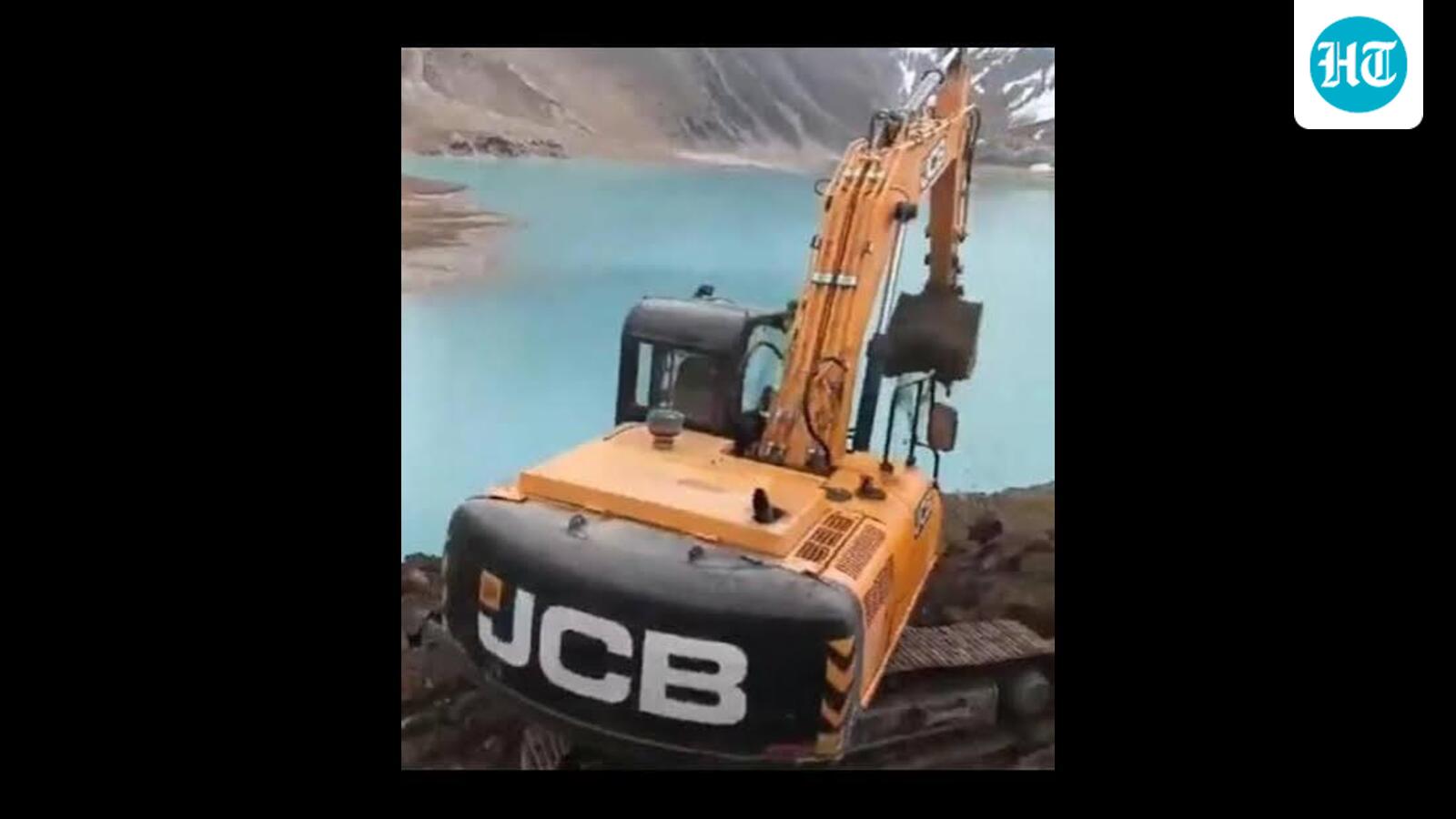
A viral video of construction machinery near Kashmir's Sheshnag Lake has sparked public outcry and political friction. While the BRO claims the work is routine maintenance, allegations of police intimidation against a petition organizer and criticism regarding government transparency have intensified the controversy.
The Sheshnag Lake Controversy: Infrastructure vs. Ecology
The recent emergence of a viral video showing an earthmover operating near the shores of Sheshnag Lake, a high-altitude alpine glacial lake in Kashmir’s Anantnag district, has ignited a fierce debate concerning environmental preservation and administrative transparency. Located at an elevation of 11,780 feet, this ecologically fragile site is not only a vital water source but also a crucial stopover for the annual Amarnath pilgrimage. The sight of heavy machinery in such a sensitive zone has mobilized environmentalists and political figures, who fear that construction activities could exacerbate the risks posed by rapidly receding glaciers.
The Official Stance and Public Backlash
The Border Roads Organisation (BRO), the agency responsible for the machinery, has officially dismissed claims of new construction. They argue that the activities are strictly limited to the widening and maintenance of existing pilgrimage tracks. Despite this clarification, the public perception remains heavily skewed against the intervention. The controversy highlights a recurring tension in the region: the necessity of maintaining infrastructure for thousands of pilgrims versus the imperative to protect the pristine, yet vulnerable, alpine ecosystem that is already showing signs of climate-induced degradation.
Digital Activism and Allegations of Suppression
The situation escalated further when Zarqua Banday, a PhD scholar researching sustainable entrepreneurship, launched an online petition demanding an end to construction near alpine lakes. The petition quickly garnered over 13,000 signatures, reflecting widespread public concern. However, the narrative took a darker turn as Banday alleged that she faced pressure from cyber police to remove the petition. Furthermore, she claimed her family members in Kashmir were contacted by authorities, raising serious questions regarding the freedom of expression and the treatment of activists who challenge state-sanctioned projects.
Political Fallout and Governance Concerns
The political ramifications of the Sheshnag row have been significant, with the Awami Itihaad Party (AIP) launching a pointed attack against Chief Minister Omar Abdullah’s administration. The criticism centers on the admission by Forest Minister Altaf Kaloo that he was personally prevented from visiting the site to conduct an inspection. The AIP argues that this incident exposes a lack of real authority within the elected government, suggesting that if a cabinet minister cannot exercise oversight over a controversial project, the administration is effectively operating with its powers curtailed.
Implications for Future Development
This controversy serves as a litmus test for the current administration's ability to balance development goals with environmental stewardship. The reliance on reports from subordinates rather than direct ministerial oversight has led to a crisis of credibility. As the region continues to grapple with the impacts of climate change, the demand for transparent, science-backed environmental impact assessments for any infrastructure project in alpine zones will likely grow. The incident underscores that administrative efficiency cannot come at the cost of ecological integrity or the silencing of civic discourse.
Conclusion
Ultimately, the Sheshnag Lake incident is emblematic of the broader challenges facing Jammu and Kashmir. It brings together the conflicting priorities of infrastructure maintenance, environmental conservation, and the preservation of democratic space. Whether the government can restore public trust by ensuring transparency and protecting the rights of those who voice environmental concerns remains to be seen. The case stands as a stark reminder that in fragile ecosystems, every administrative decision carries profound, long-term consequences.
Multiple Citing Sources
Verification Required?